
Espresso Machines for home espresso
From first setup to end-game: machines worth your counter space.
How we research espresso machines
We research espresso machines the way a home barista actually buys them: comparing temperature stability, steam power, and build quality across owner reports and published measurements — and working out what each machine really costs once you add the grinder.
Espresso Machines guides
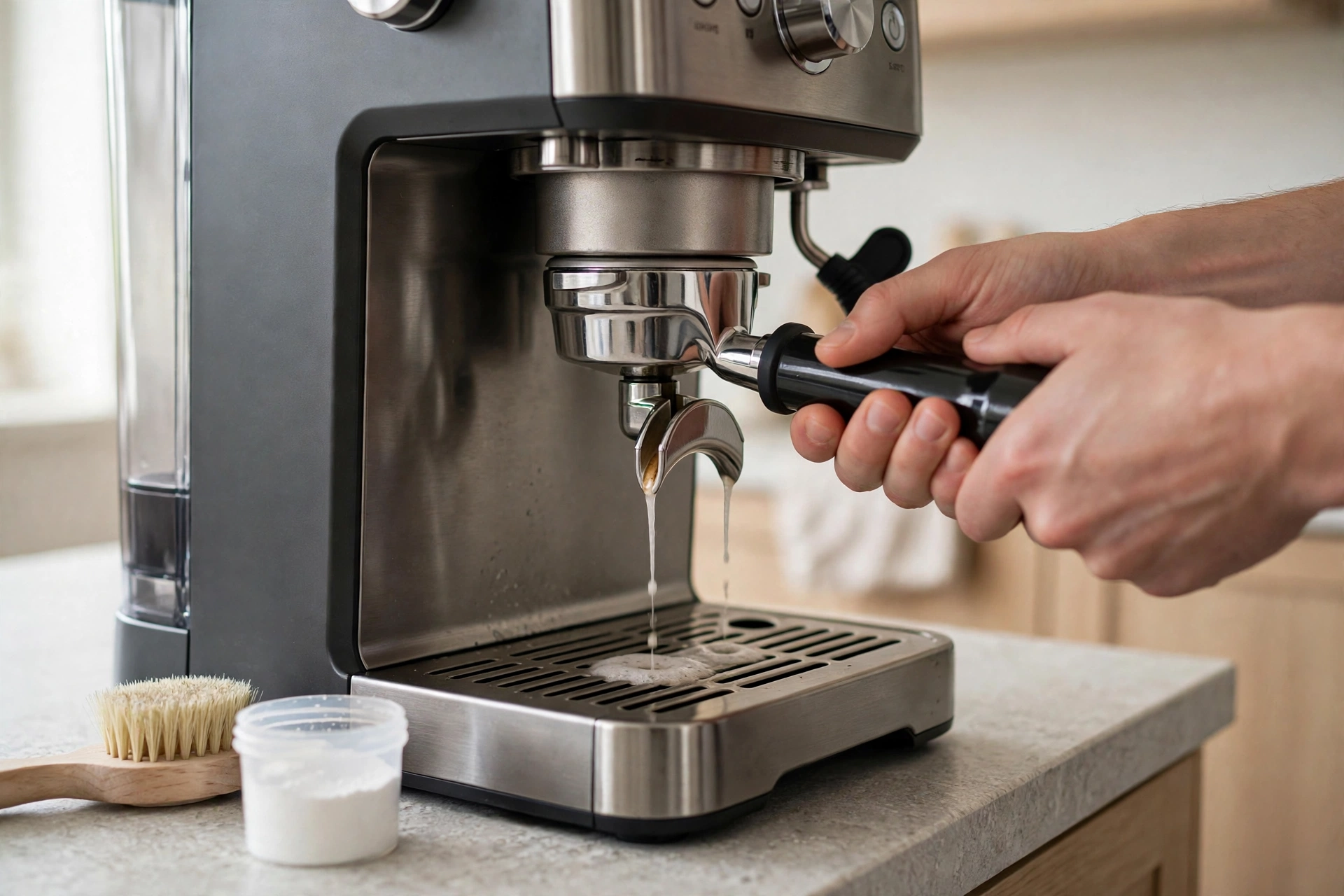 How to Backflush an Espresso Machine (and When Not To)
Backflushing forces water and detergent backwards through the group head and 3-way solenoid valve to strip rancid coffee oils a forward flush never reaches. Water-only after every session, detergent every 1 to 2 weeks — but only if your machine has a 3-way valve.
Updated 2026-11-08
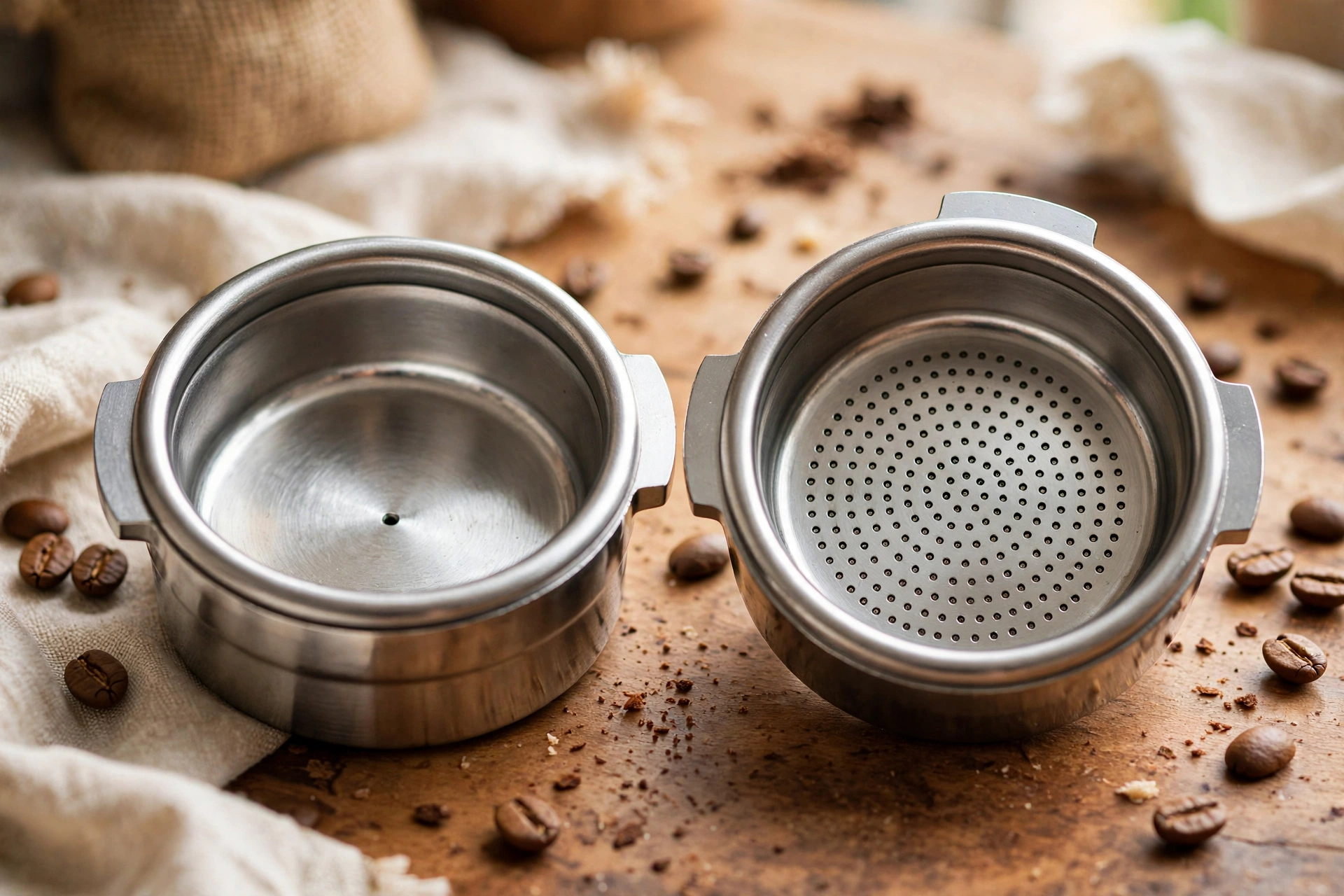 Portafilter Baskets Explained
Pressurized baskets create resistance with a second wall and tiny outlet; non-pressurized baskets rely on the puck, rewarding fresh grounds and a grinder.
Updated 2026-10-04
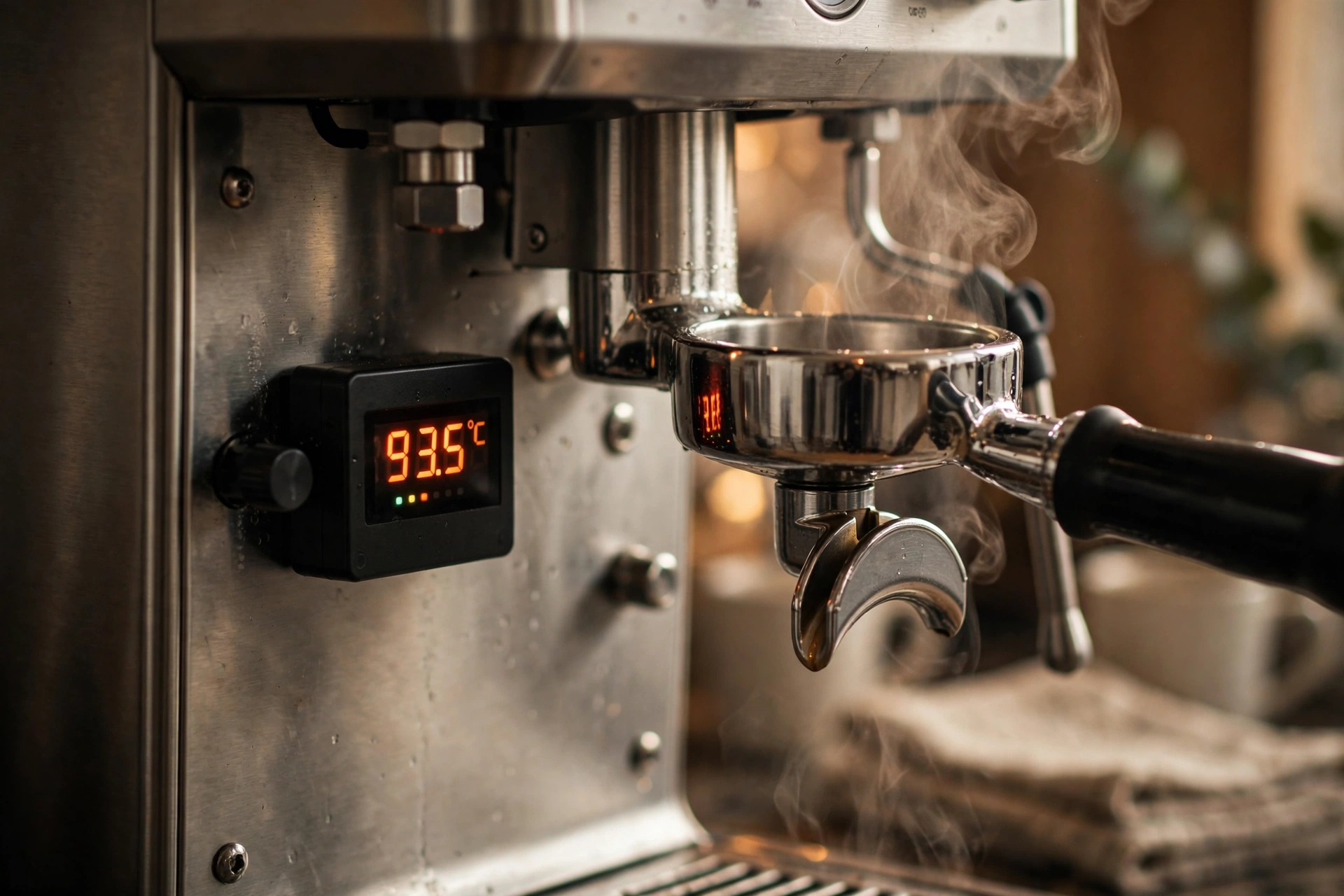 Are PID Controllers Worth It?
Yes, for most: a PID holds brew water within ≈1°C instead of a thermostat's 10°C swing. Here is when that stability changes the shot and when it does not.
Updated 2026-10-03
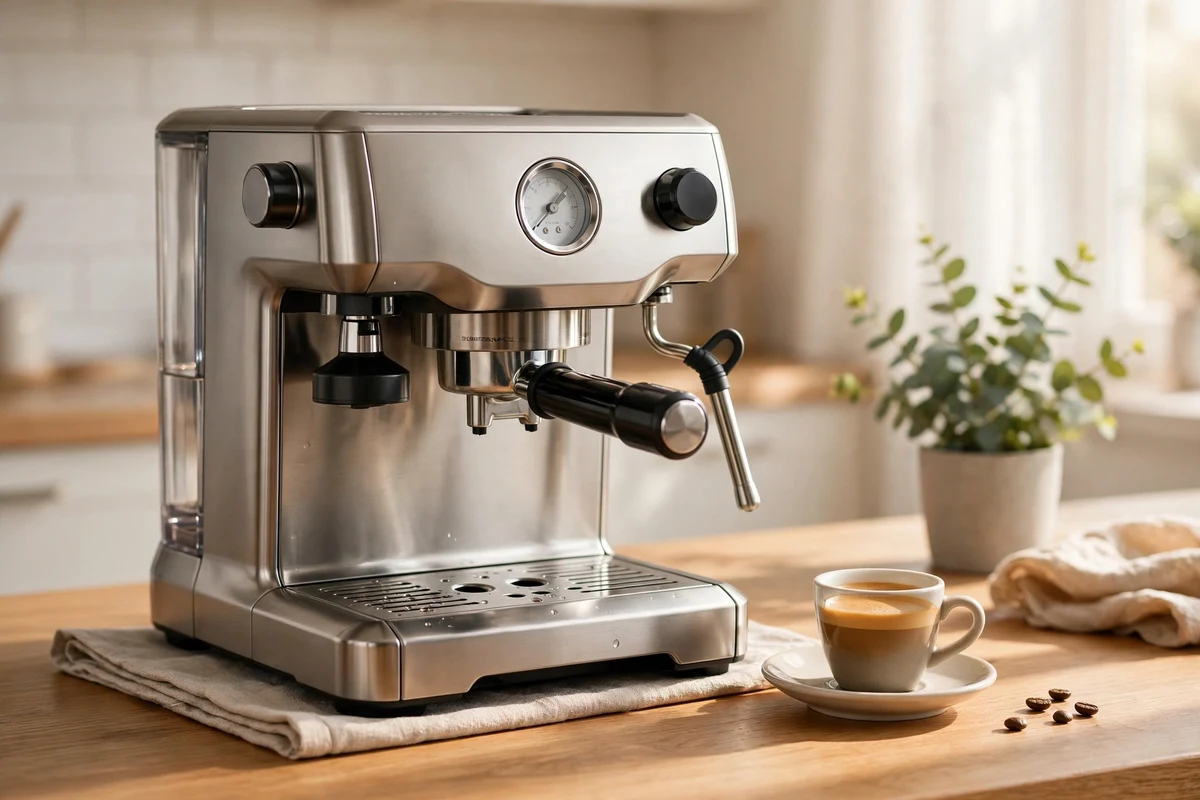 How Long Do Espresso Machines Last?
Most home espresso machines last 5 to 15 years. Budget thermoblock models wear out in about 5 years, while serviceable prosumer machines run 15 or more.
Updated 2026-10-03
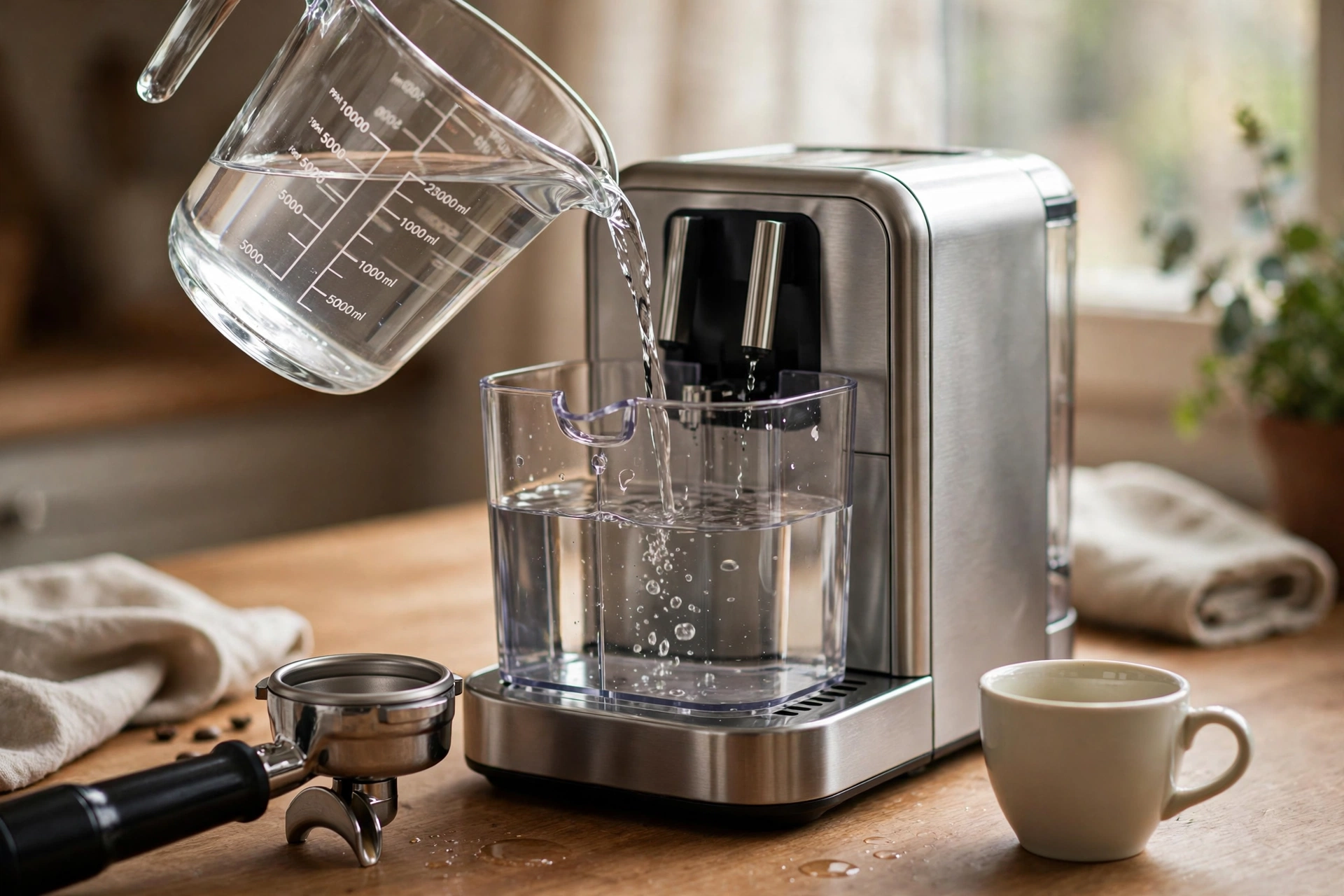 Espresso Machine Descaling Guide
Descale every 2–3 months with hard water, every 3–6 with soft. Limescale insulates your boiler and wrecks temperature stability — here's how to remove it.
Updated 2026-10-02
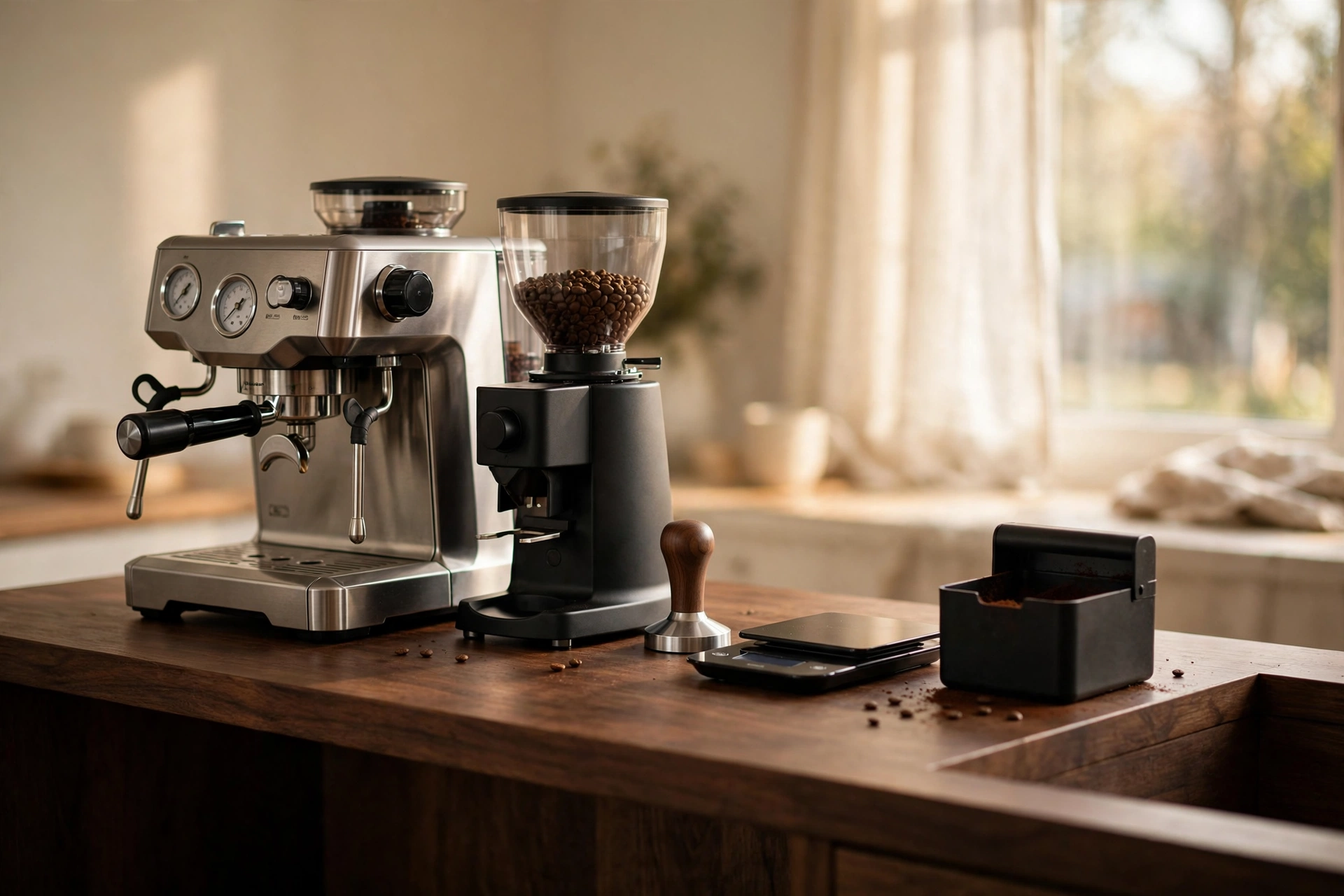 How Much Counter Space for Espresso?
Plan for 24 inches (60 cm) of counter width and 20 inches of depth — an espresso setup is a working workflow zone, and spec sheets miss the clearances.
Updated 2026-10-01
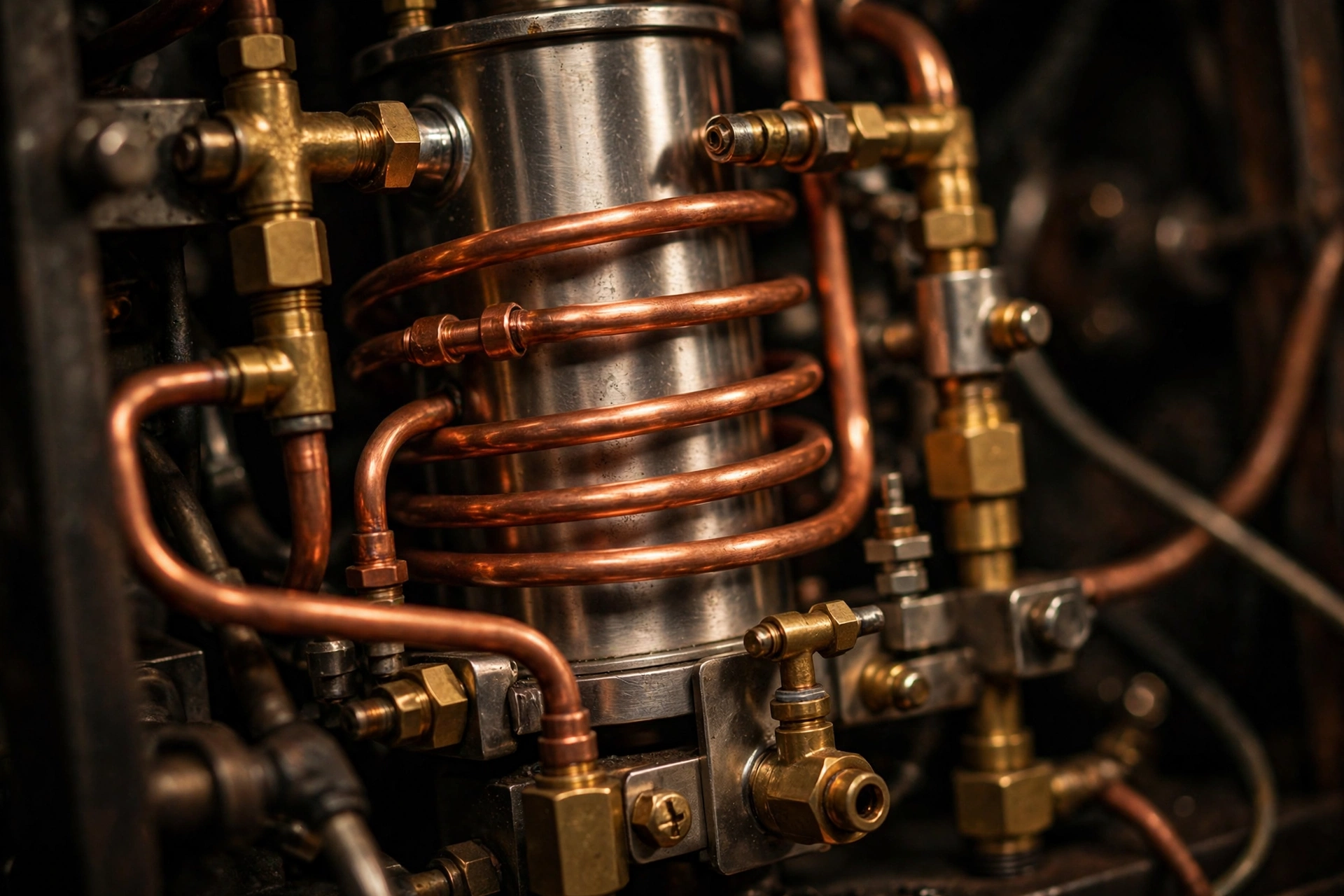 Single Boiler vs Heat Exchanger vs Dual Boiler vs Thermoblock: Which Is Right for You?
Thermoblock vs single boiler vs heat exchanger vs dual boiler: how each espresso boiler brews and steams, and which one fits how you actually make coffee.
Updated 2026-09-29
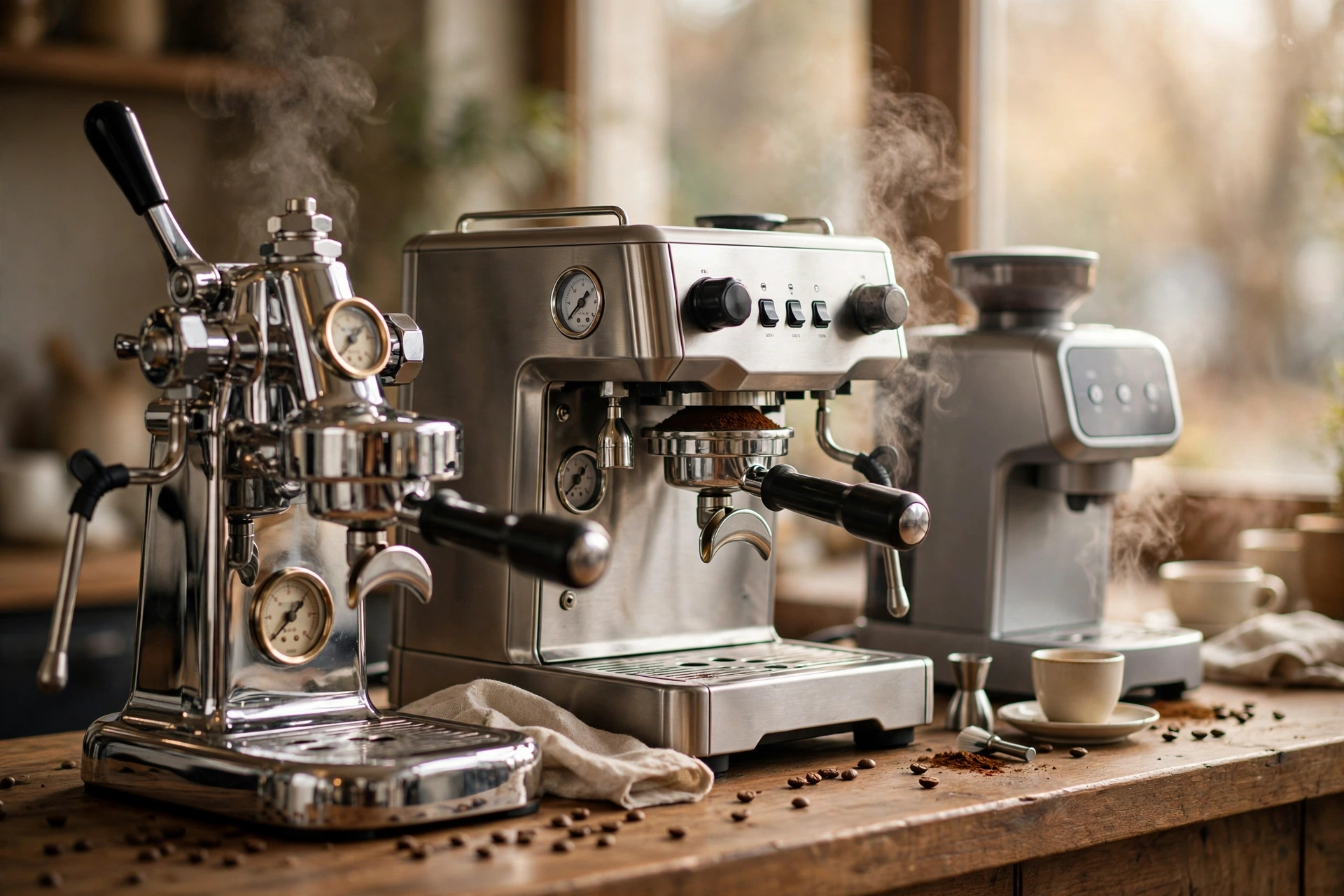 Espresso Machine Types Compared
Every espresso machine heats water, builds ≈9 bars of pressure, and delivers it evenly — types differ only in who does the work. Manual to super-auto compared.
Updated 2026-09-28
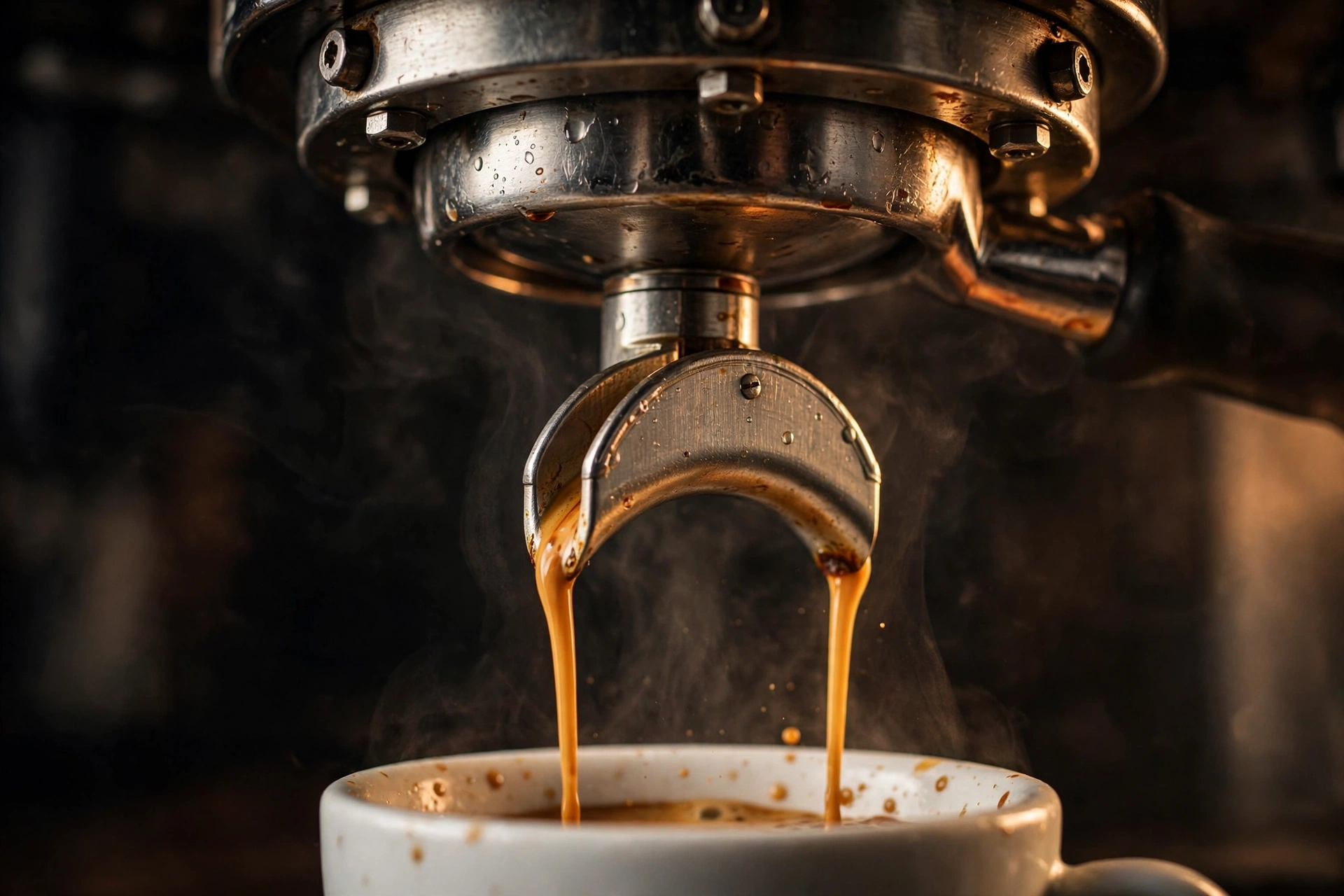 How Does an Espresso Machine Work?
An espresso machine pushes 90–94°C water through finely ground coffee at ≈9 bars, pulling a shot in 25–30 seconds. A look at the heater, pump, and group head.
Updated 2026-09-27
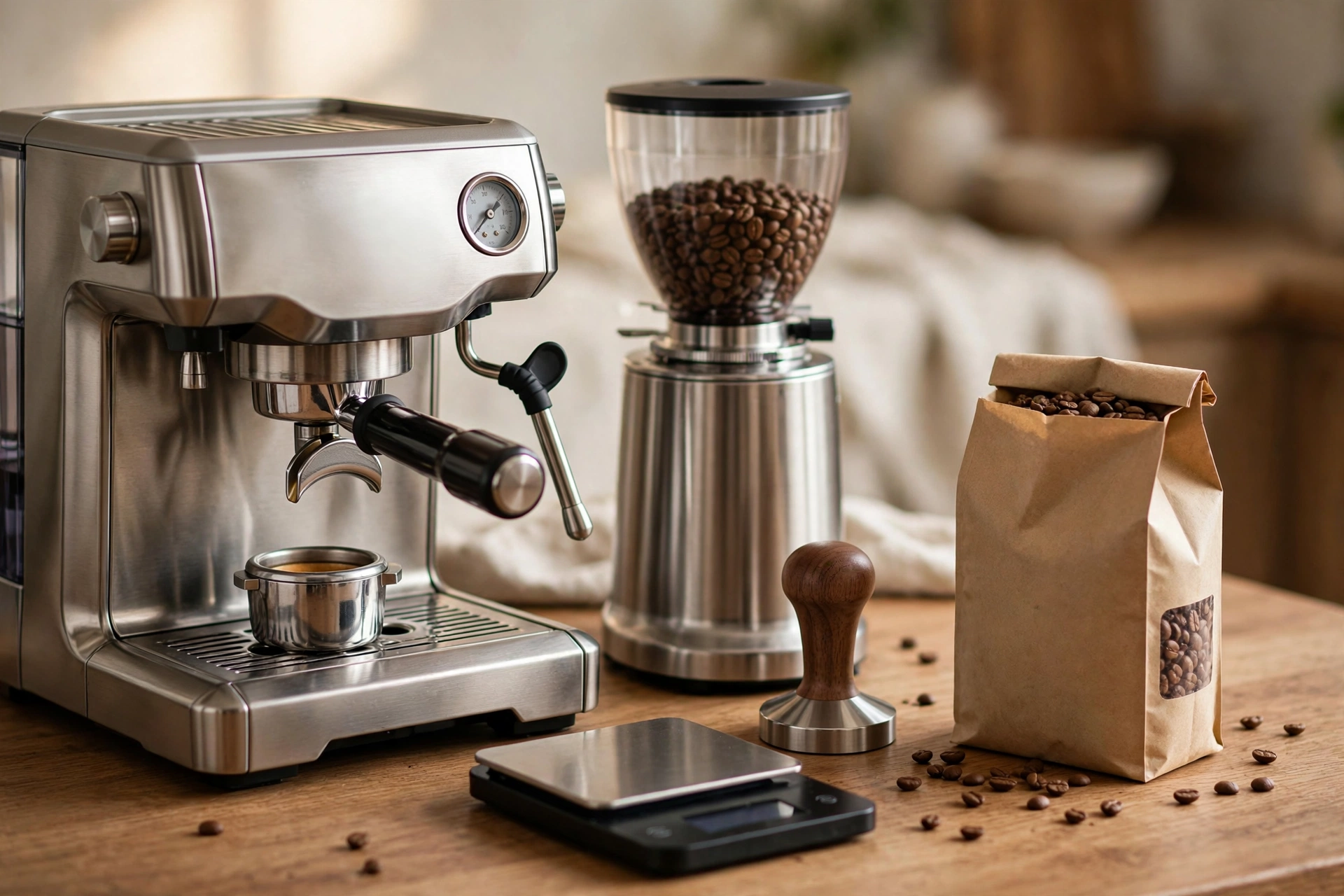 Home Espresso Setup Cost in 2026
A home espresso setup costs $150 to $2,500+, but the machine is only half the budget — the grinder, accessories, and dial-in coffee matter just as much.
Updated 2026-09-26
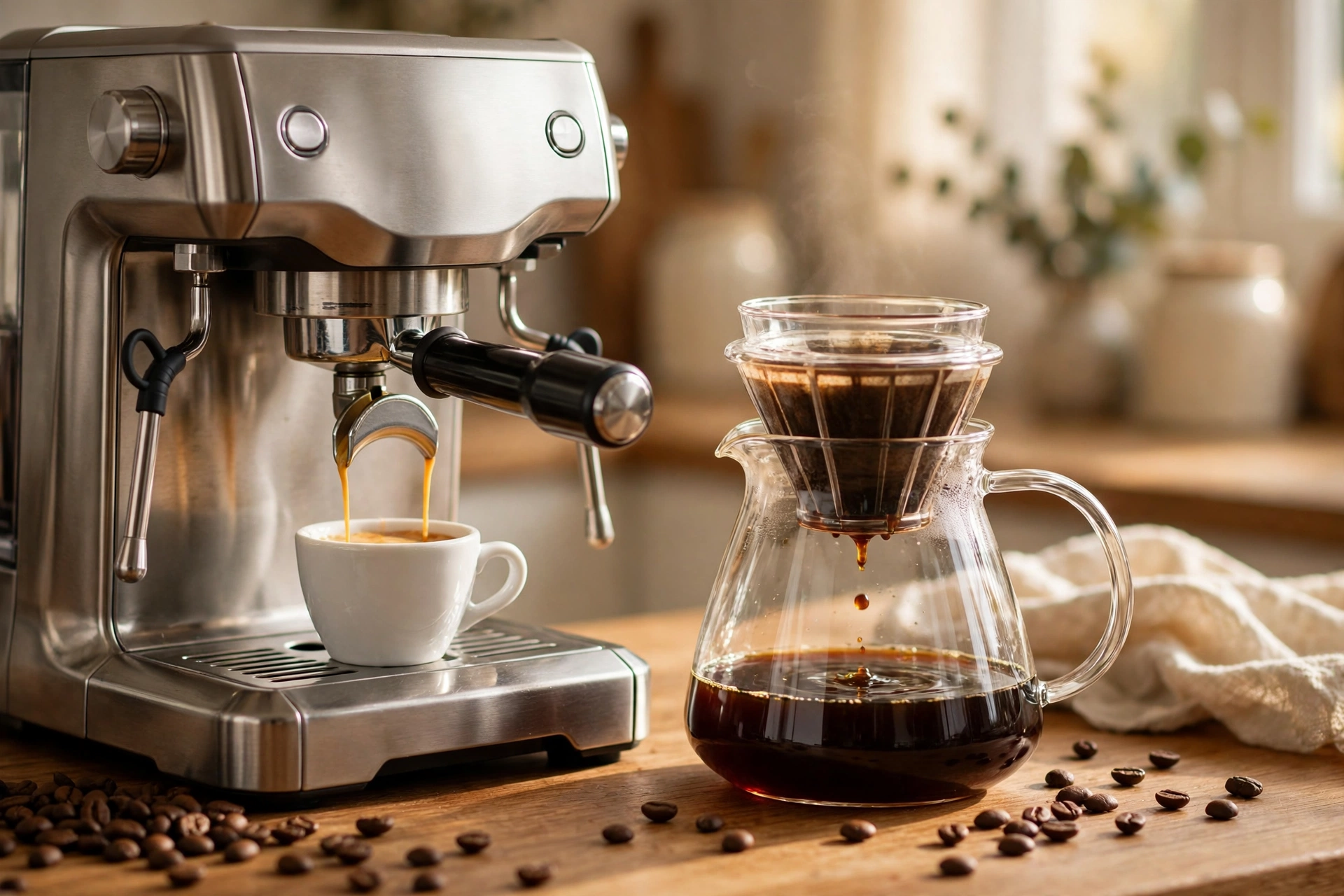 Espresso vs Drip Coffee Maker
Espresso uses pressure to extract in 30 seconds; drip uses gravity over minutes. That difference explains the taste, crema, price, and learning curve.
Updated 2026-09-26
Comparisons & roundups
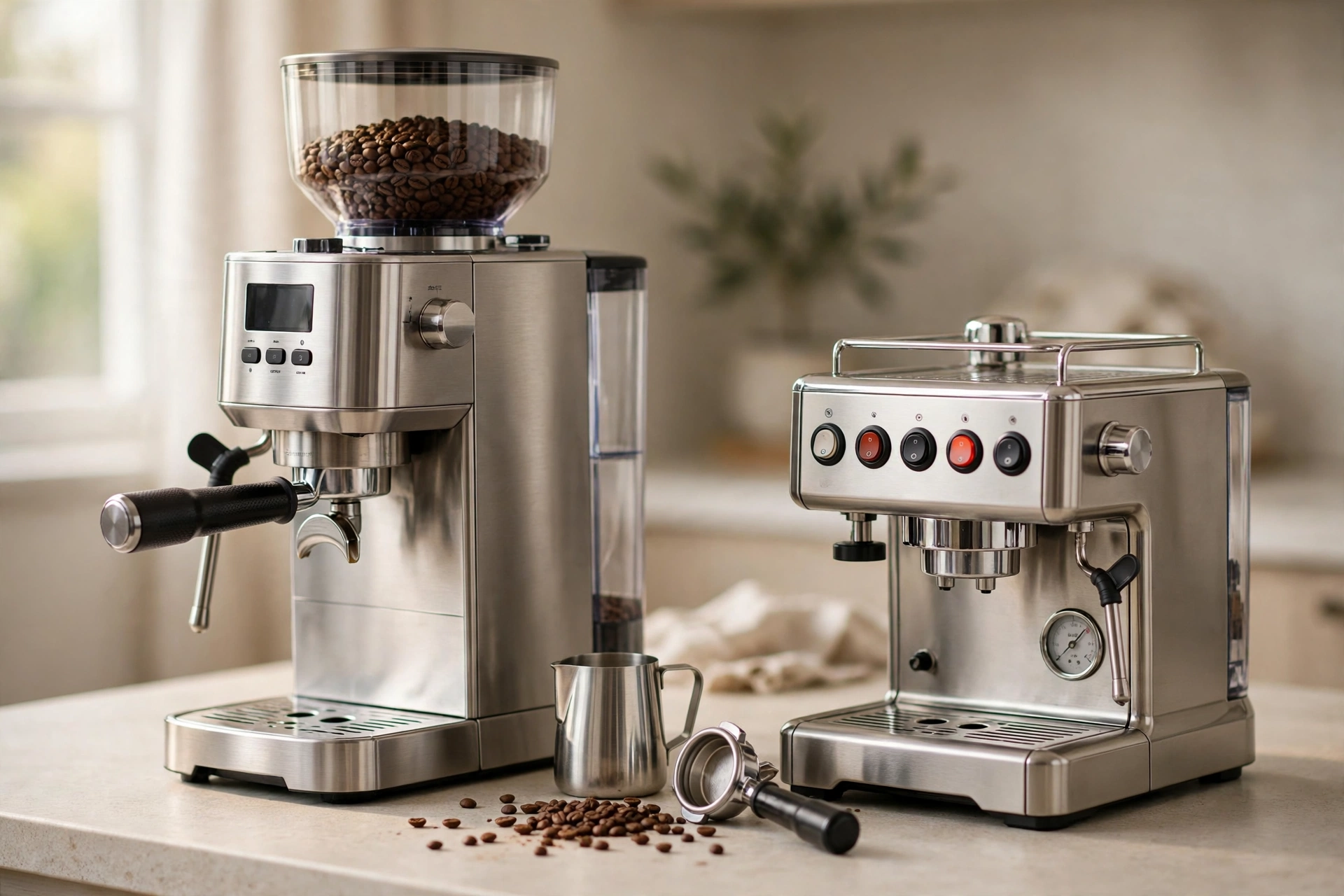 Breville Barista Express vs Gaggia Classic Pro
Same ≈$700 buys two opposite espresso setups: the Breville Barista Express is a complete all-in-one with a built-in grinder, PID, and pressure gauge, while the Gaggia Classic Pro E24 is a simpler 58mm Italian platform that needs a separate grinder but leaves a bigger upgrade path. The choice is convenience now versus ceiling later.
Updated 2026-11-03
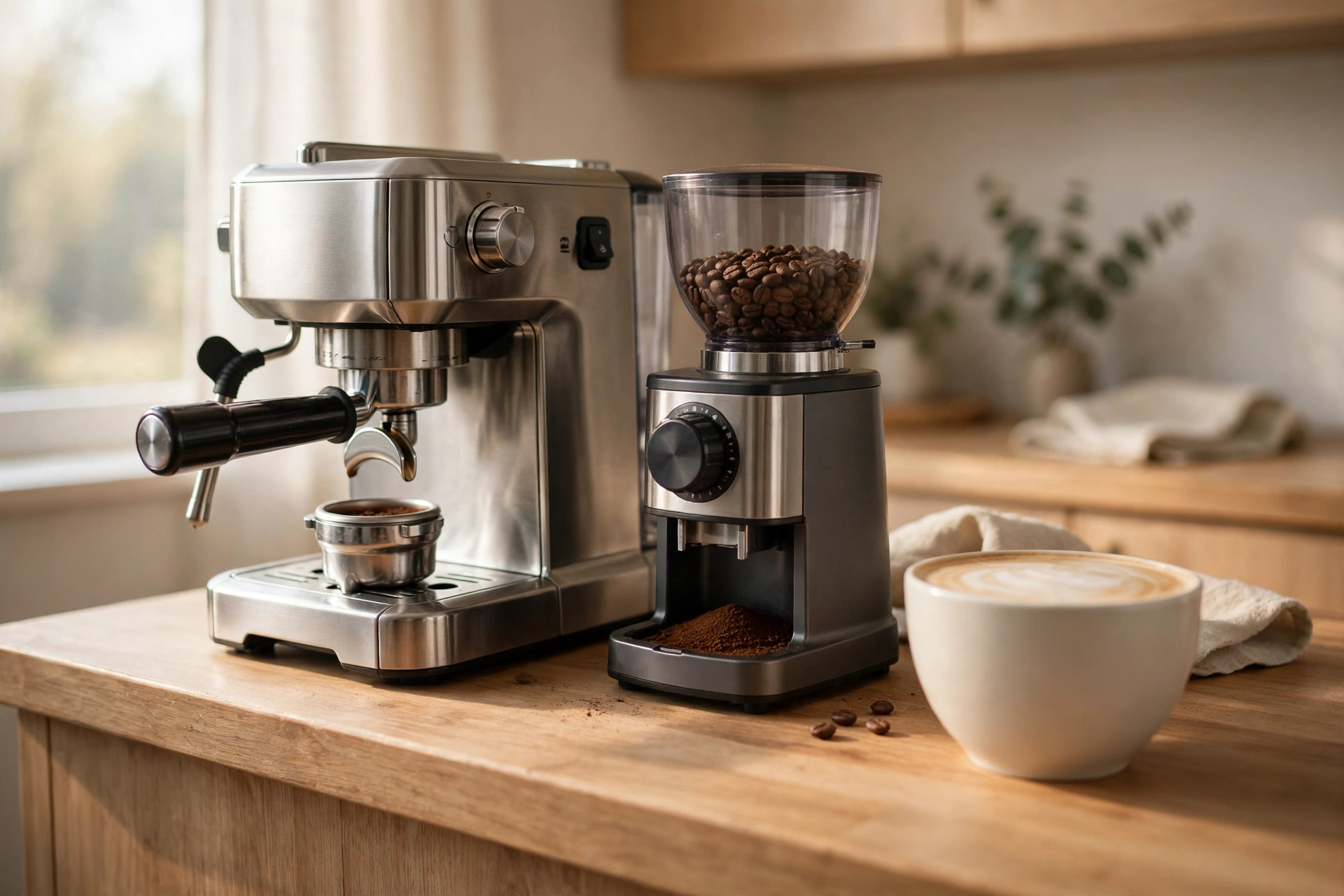 Breville Bambino Plus vs Barista Express
The Bambino Plus is the faster, smaller, automatic-milk machine — but it has no grinder, so once you add one the price gap to the Barista Express disappears. Same 54mm, 9-bar extraction on both; the real choice is built-in grinder against automatic milk.
Updated 2026-10-31
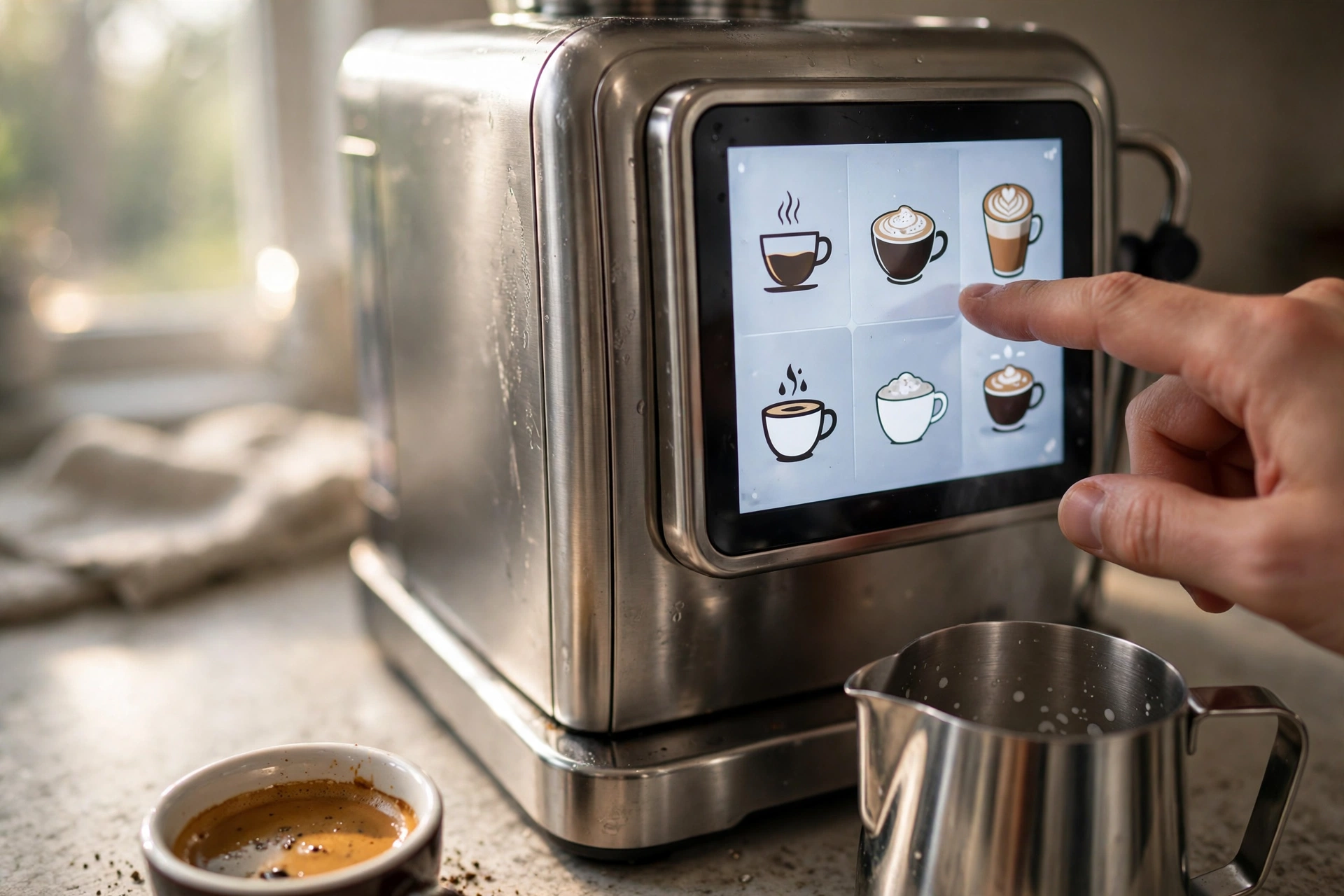 Breville Barista Express vs Barista Touch
The Barista Touch adds ThermoJet 3-second heat-up, a touchscreen with 8 custom drinks, hands-free Auto MilQ milk texturing, and 30 grind settings — but the espresso is the same 54mm, 9-bar shot. Worth ≈$250 more only if milk drinks and automation are the daily default.
Updated 2026-10-29
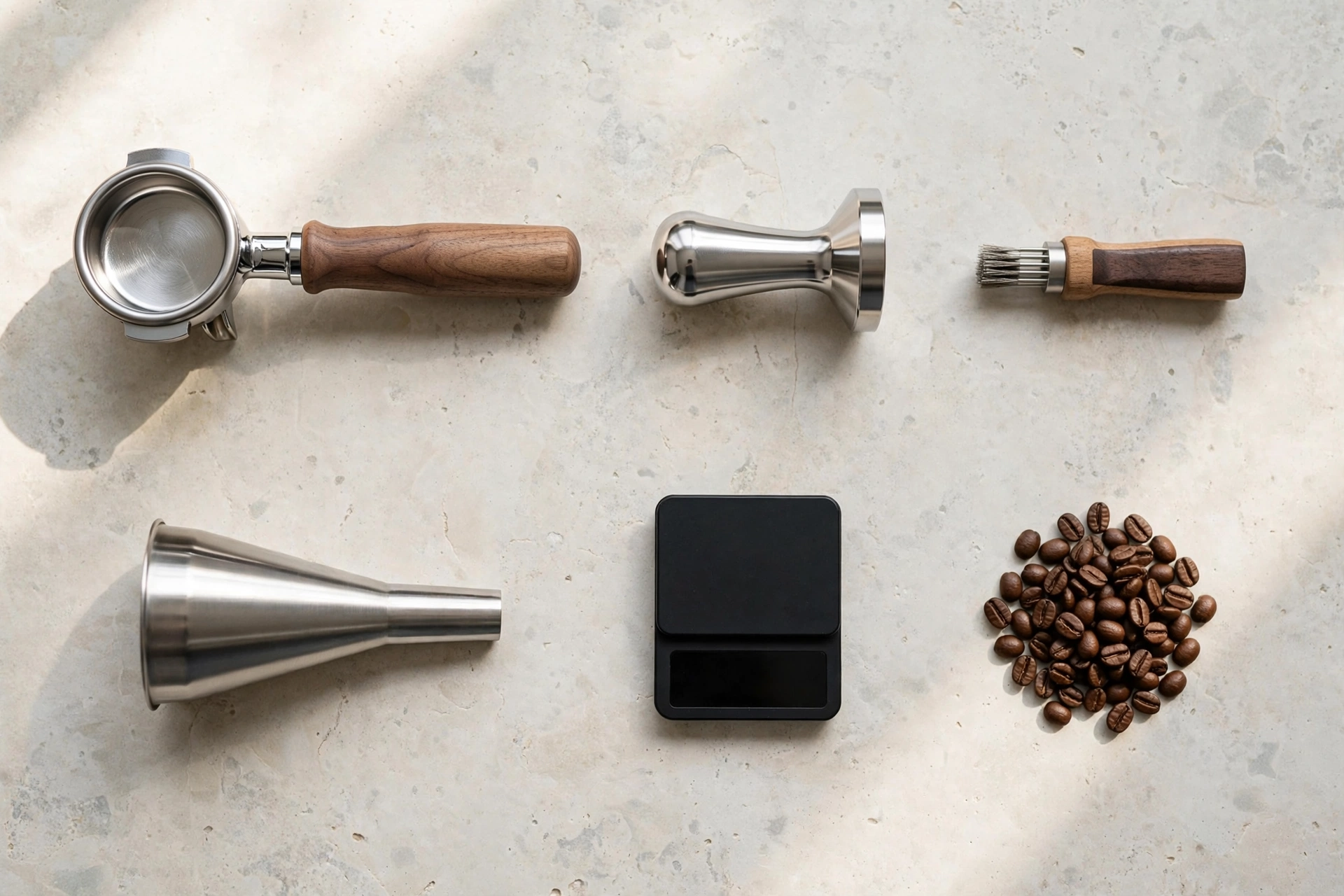 Best Prosumer Espresso Machine
The Profitec Pro 700 is the best prosumer espresso machine overall at $2,979, the Lelit Mara X is the cheapest way in at $1,699.95, and the Profitec Pro 300 is the best dual-boiler value. Six machines across the $1,700 to $3,000 band compared.
Updated 2026-10-26
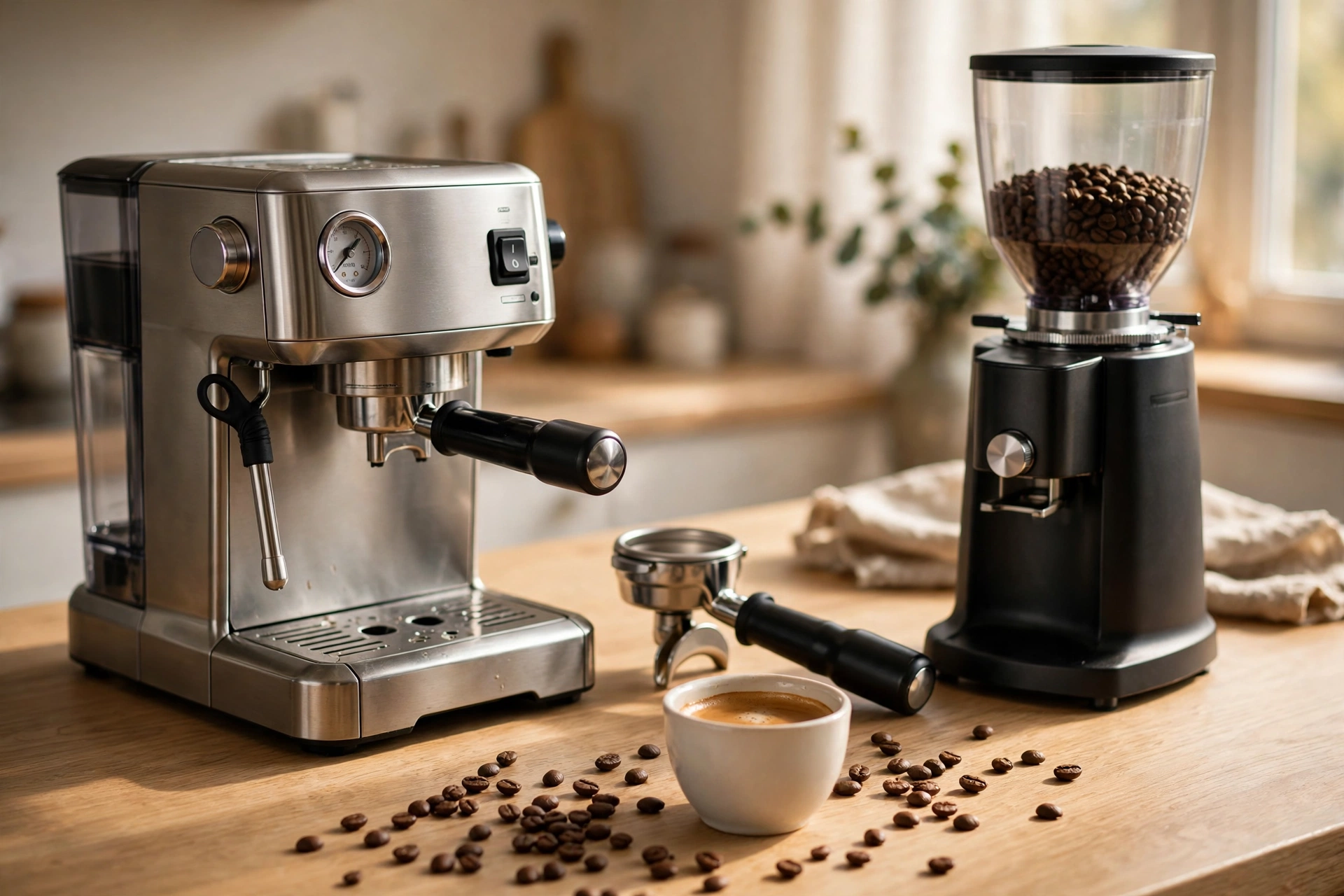 Best Espresso Machine and Grinder Combos
The Breville Bambino with the Baratza Encore ESP is the best espresso machine and grinder combo for most people at about $500, and the Rancilio Silvia with the Eureka Mignon Specialita is the enthusiast pick. Five paired setups compared by combined price.
Updated 2026-10-25
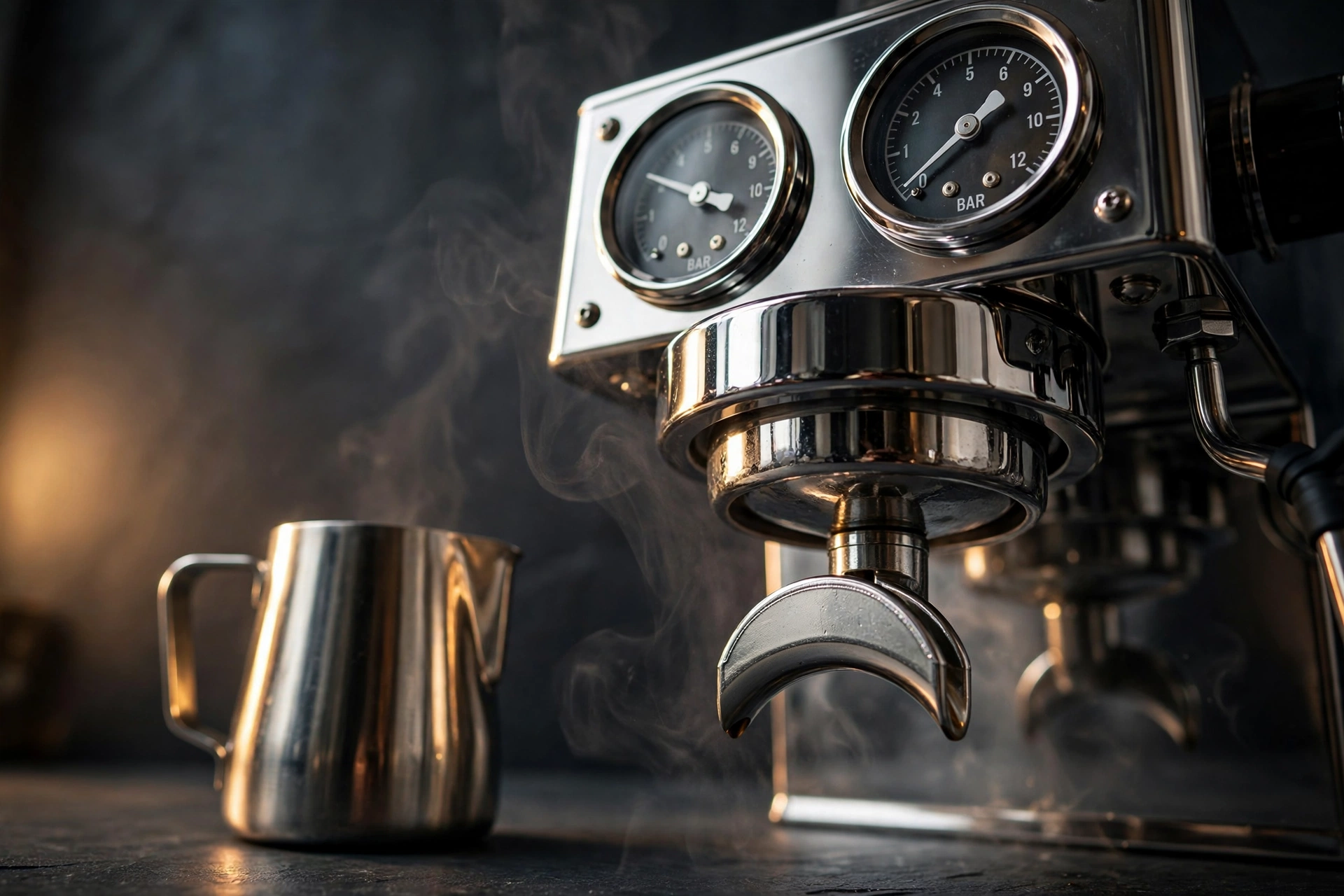 Best Espresso Machines Under $2,000
The Profitec Pro 300 is the best espresso machine under $2,000 for simultaneous brew and steam, and the Lelit Mara X is the smartest heat exchanger. Five prosumer picks compared.
Updated 2026-10-24
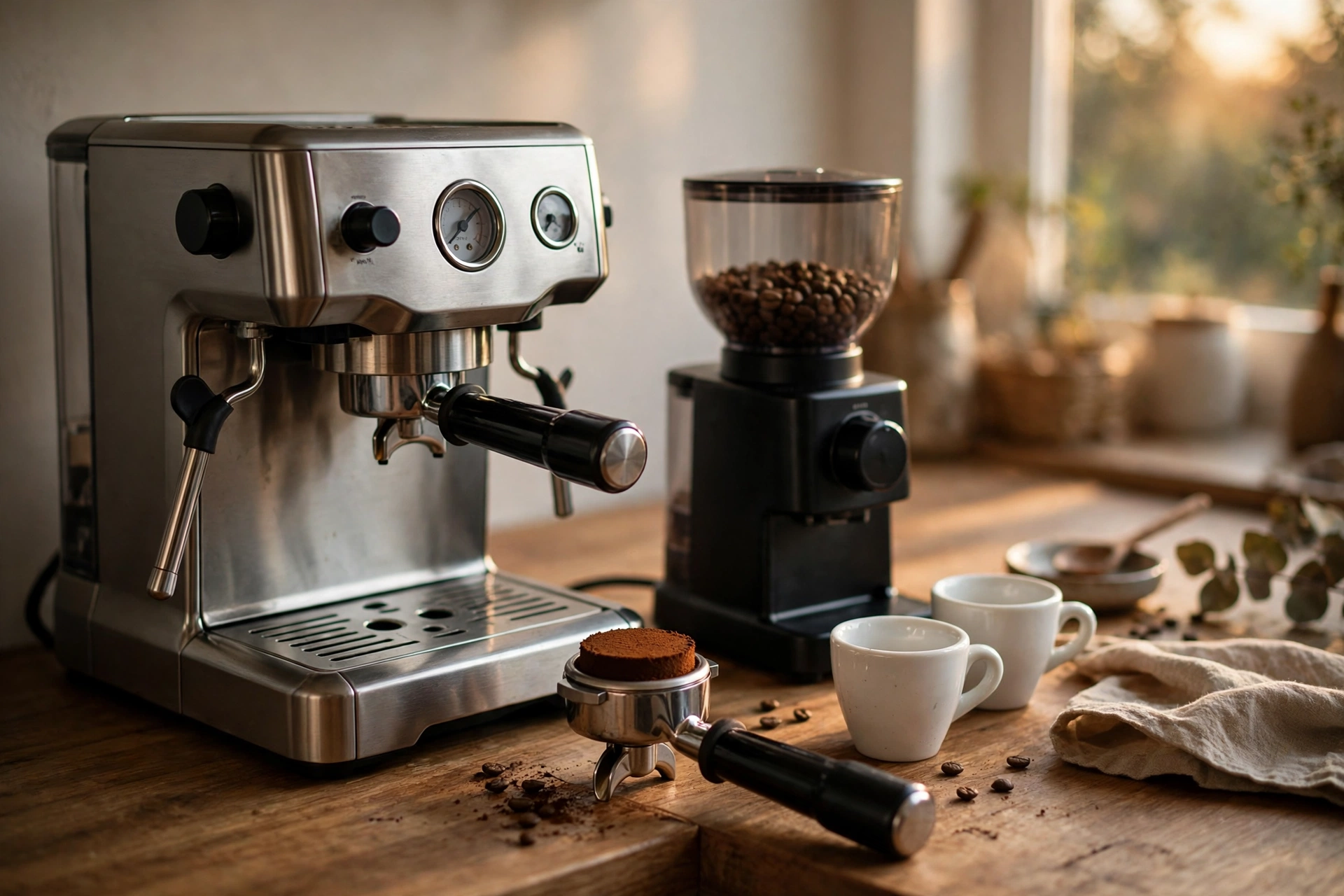 Best Espresso Machines Under $400
The best espresso machine under $400 is the Breville Bambino — at its common $249.95 sale price it brings PID control, pre-infusion, and a 54mm system to the band. Five picks, prices checked 2026-10-23.
Updated 2026-10-23
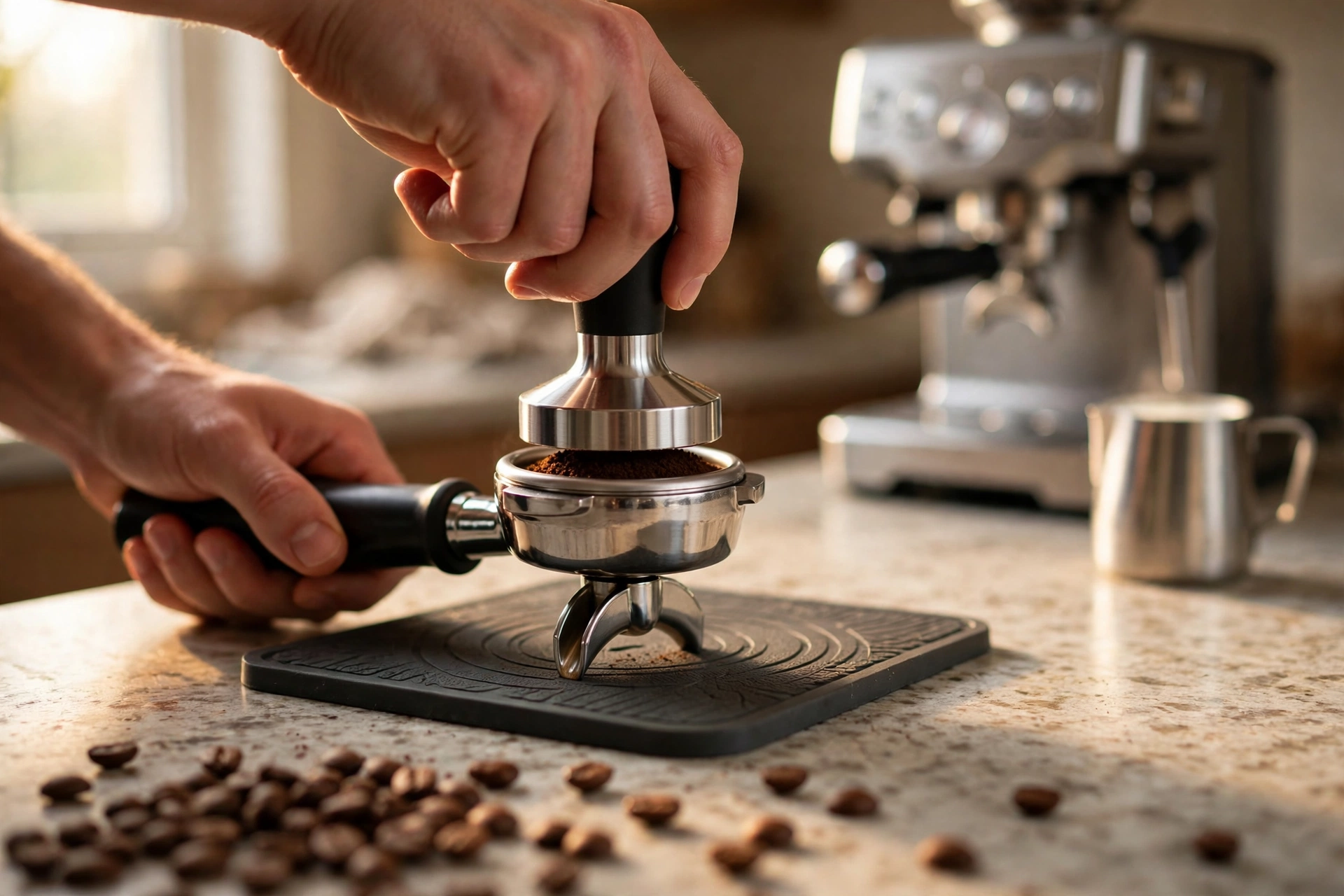 Best Espresso Machines Under $250
The best espresso machine under $250 is the Breville Bambino — at its common $249.95 sale price it is the first machine in this band with PID control, pre-infusion, and a 54mm upgrade path. The De'Longhi Dedica wins on a narrow counter. Five picks, prices checked 2026-10-22.
Updated 2026-10-22
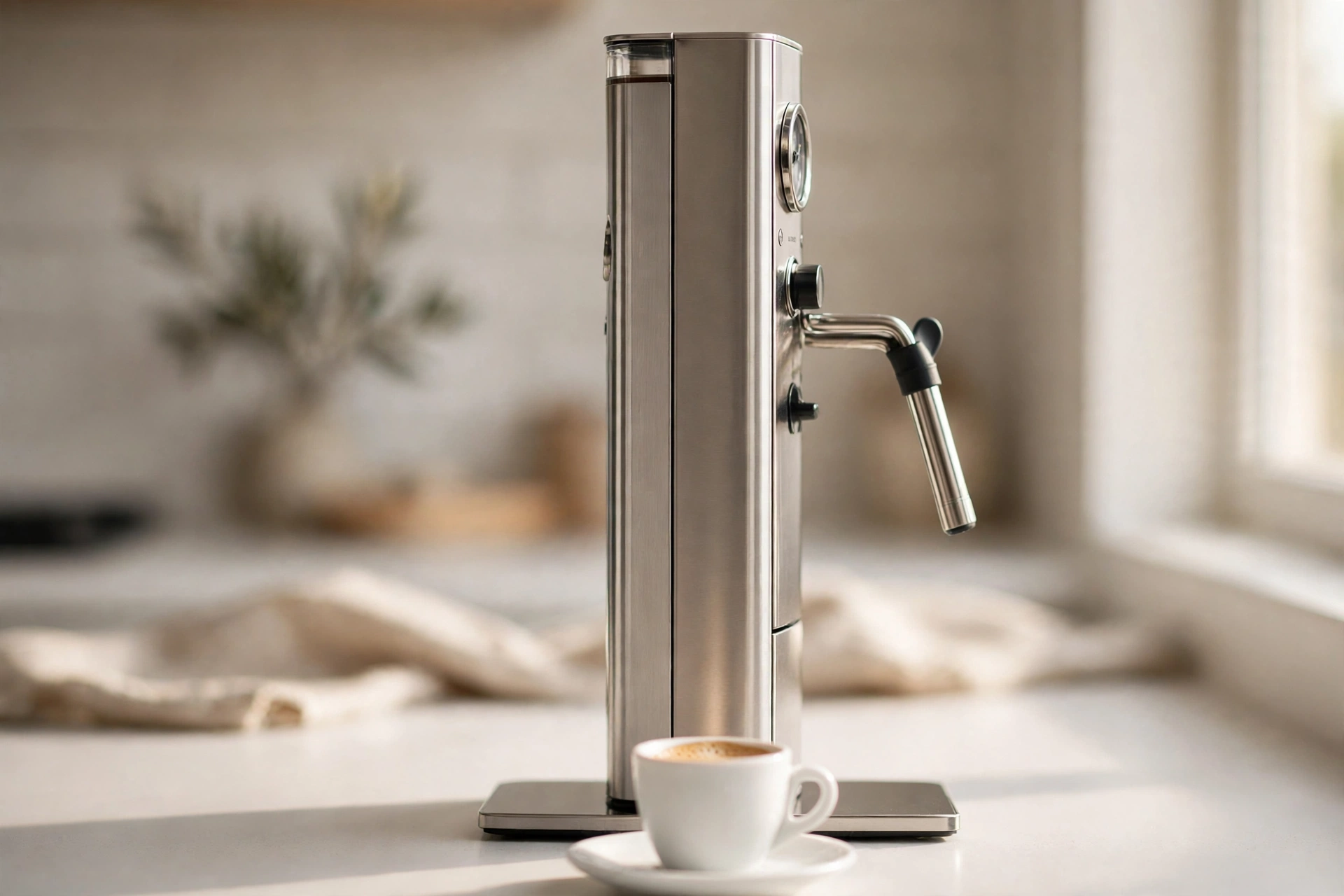 De'Longhi Dedica vs Breville Bambino
The De'Longhi Dedica ($279.95) and Breville Bambino ($299.95) are only ≈$20 apart at list price, so this is nearly a same-price fight. The Bambino buys PID, pre-infusion, and 54mm baskets; the Dedica buys the slimmest footprint in the class.
Updated 2026-10-20
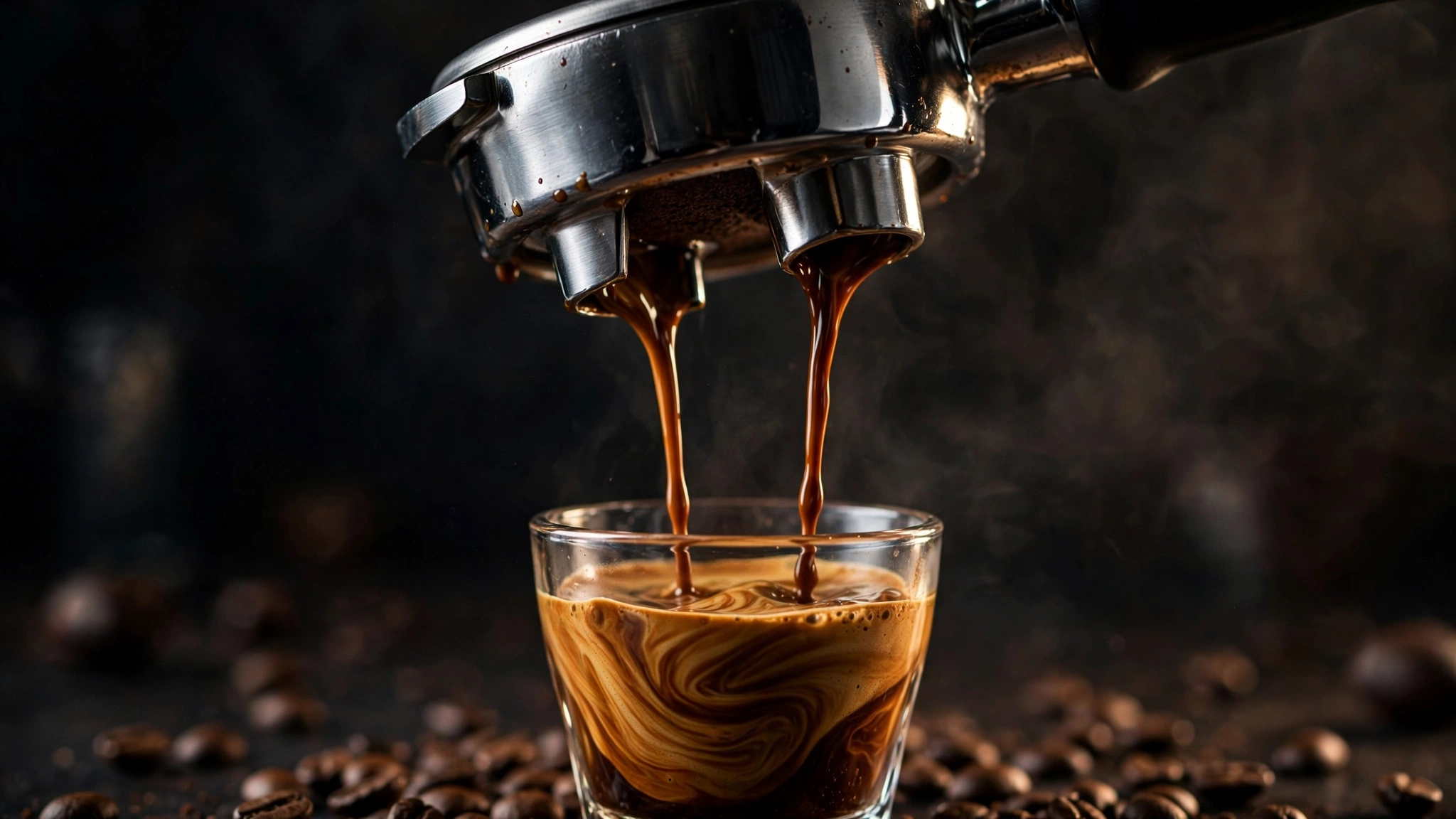 Gaggia Classic Pro vs Breville Bambino Plus
The Gaggia Classic Pro E24 ($499) and Breville Bambino Plus ($499.95 list) cost nearly the same and make nearly the same espresso. The Gaggia buys brass-boiler tradition and 58mm steel; the Plus buys 3-second heat-up and hands-free milk. Pick by personality, not by price.
Updated 2026-10-19
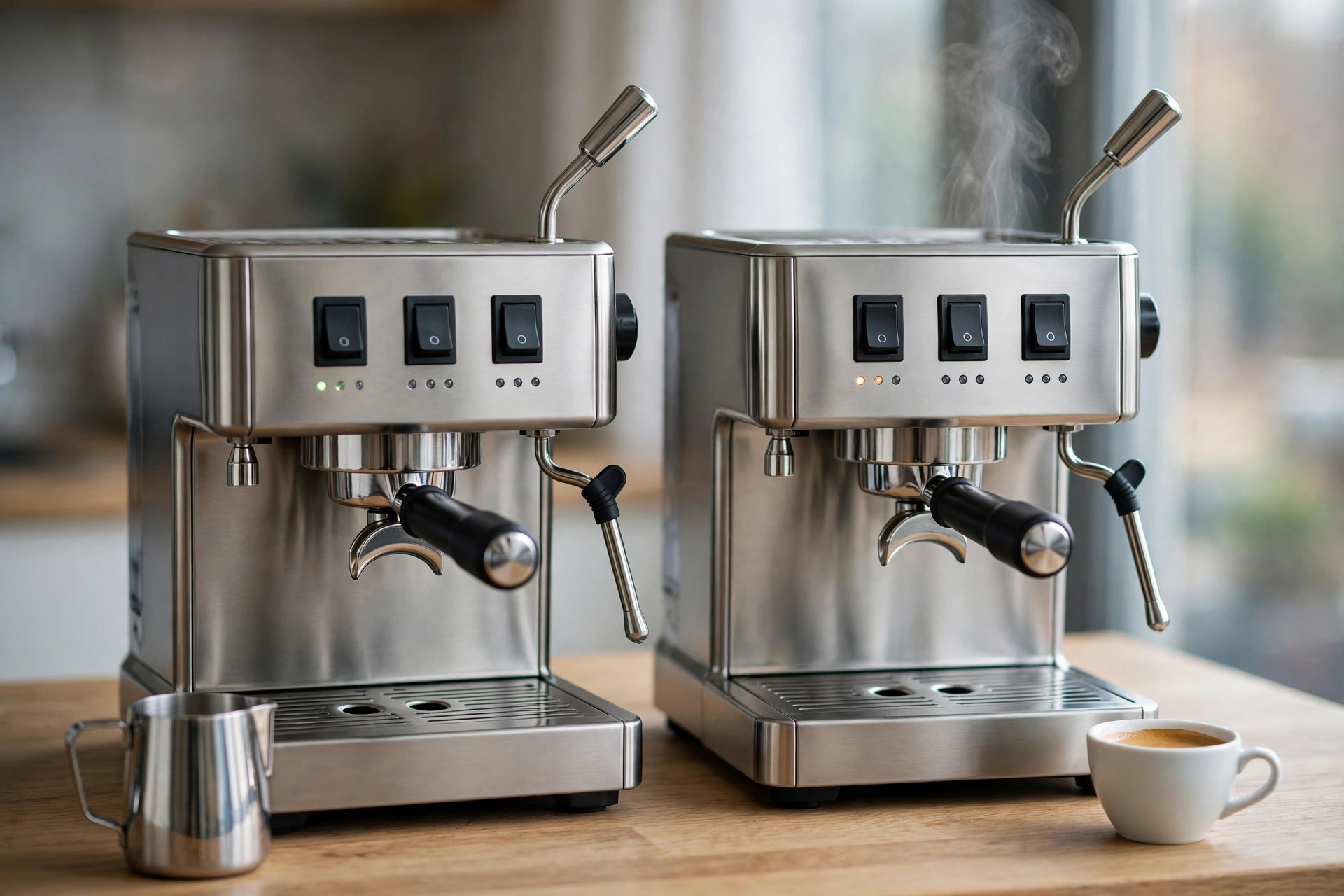 Gaggia Classic Pro vs Rancilio Silvia
The Gaggia Classic Pro (now the E24, ≈$500) and Rancilio Silvia (≈$995) pull from the same single-boiler playbook: 9 bars, 58mm portafilter, no PID. The extra $500 buys boiler mass, steam headroom, and a heavier build. Which one earns it depends on your cup.
Updated 2026-10-18
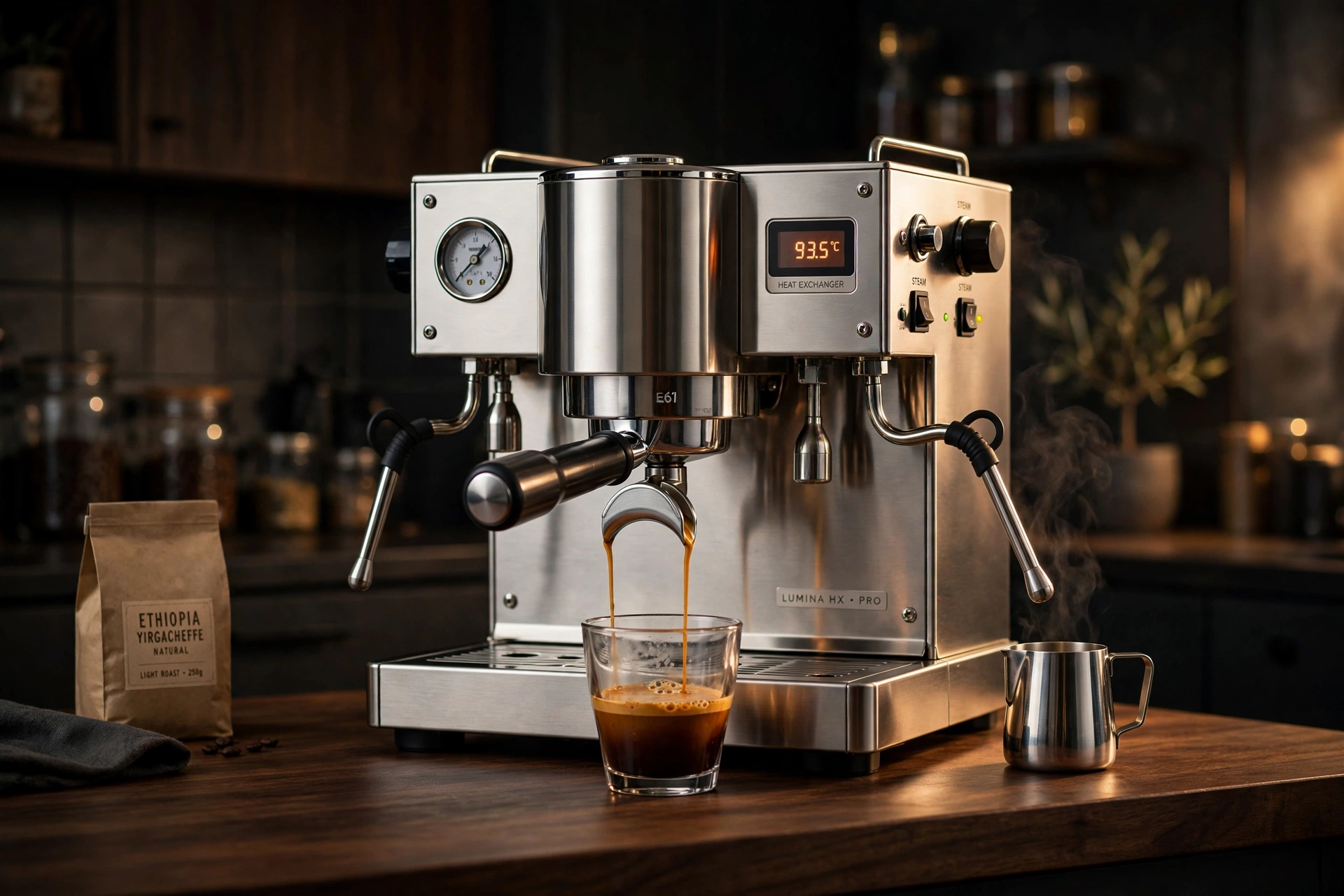 Best Heat Exchanger Espresso Machine
The Diletta Bello+ is the best heat exchanger espresso machine for most people — PID control, shot timer, and pre-infusion for $2,149. Six machines that earn the money.
Updated 2026-10-16
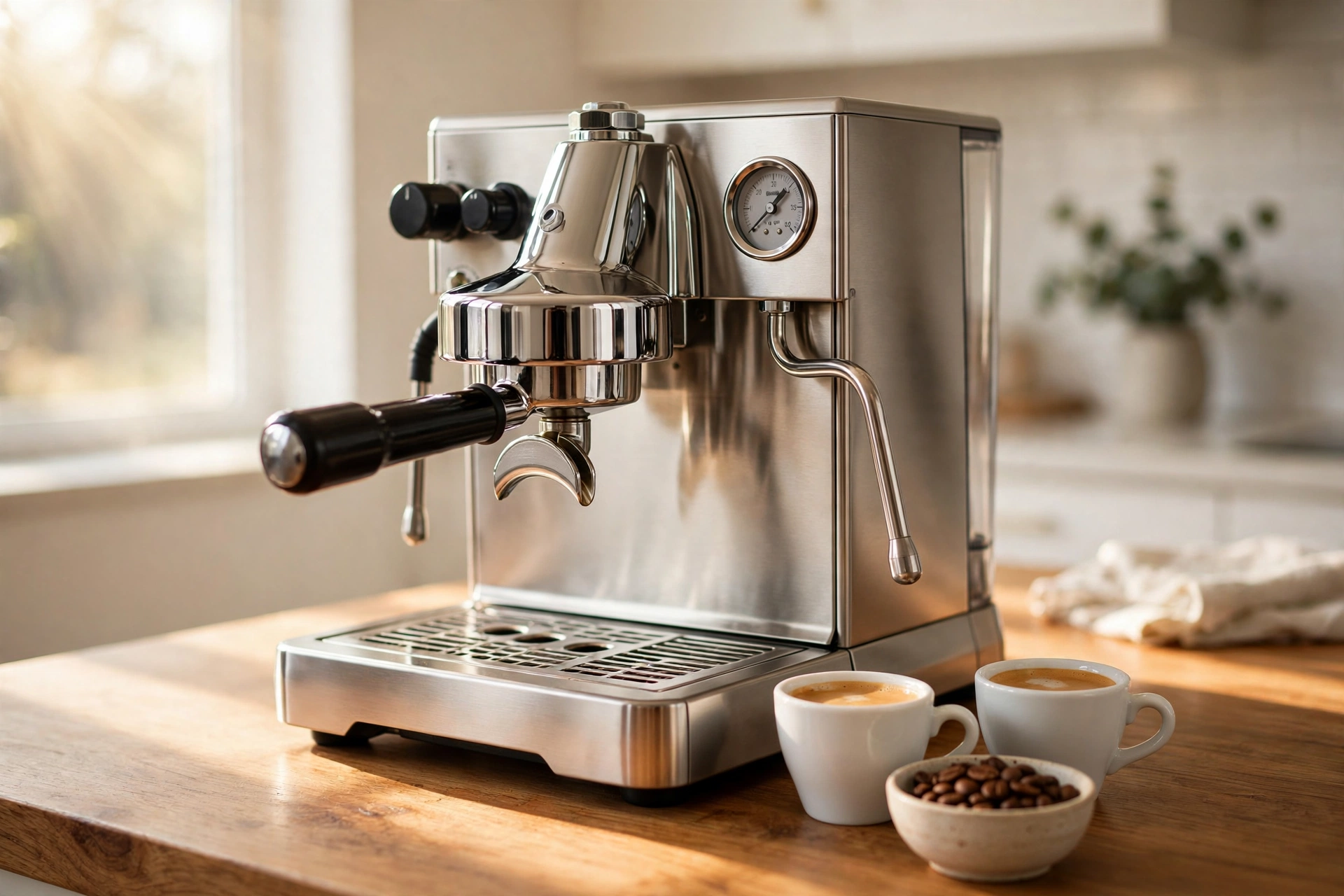 Best Espresso Machines Under $1,500
The Lelit Victoria is the best espresso machine under $1,500 for espresso quality, and the Breville Barista Touch Impress is the easiest path to milk drinks. Five picks that earn the money.
Updated 2026-10-15
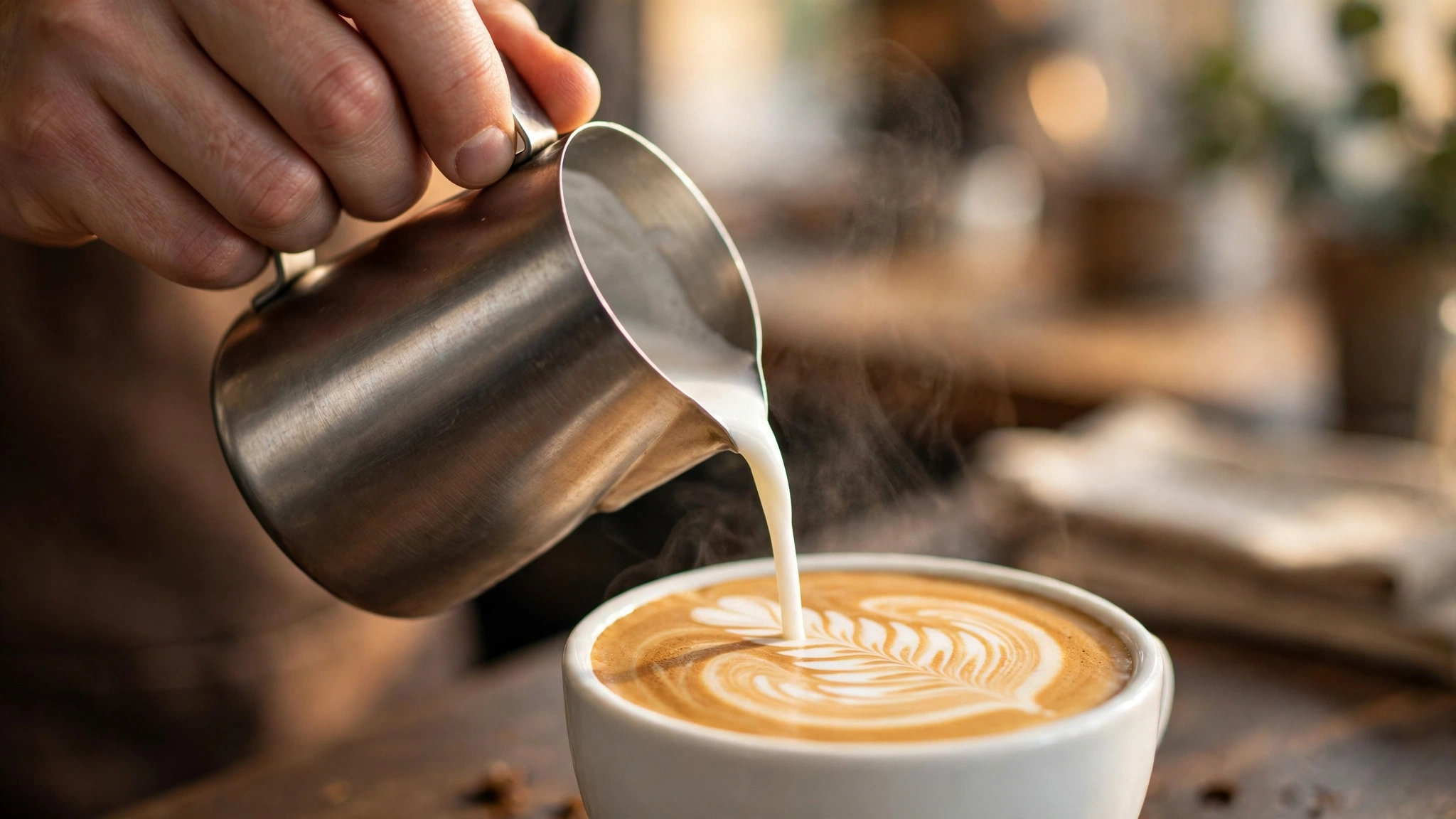 Best Espresso Machines for Latte Art
The Breville Barista Express is the best espresso machine for latte art practice for most people — manual steam wand, PID, and built-in grinder for about $500 street. Six picks from $250 to $1,700.
Updated 2026-10-14
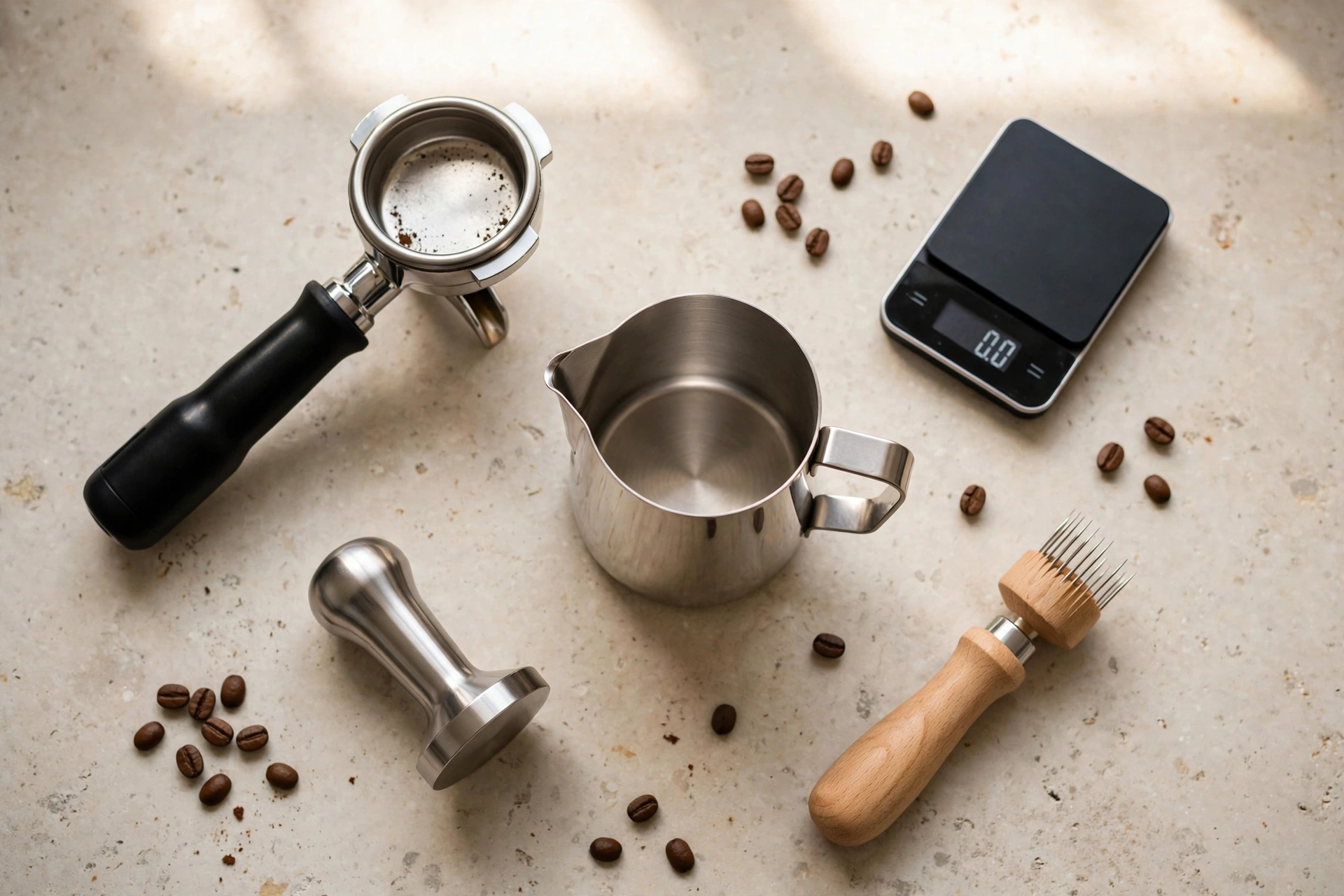 Best Espresso Machines Under $200
The best espresso machine under $200 for most people is the CASABREWS CM5418 — but the manual Flair Neo Flex makes more real espresso for less. Five picks that earn their counter space.
Updated 2026-10-13
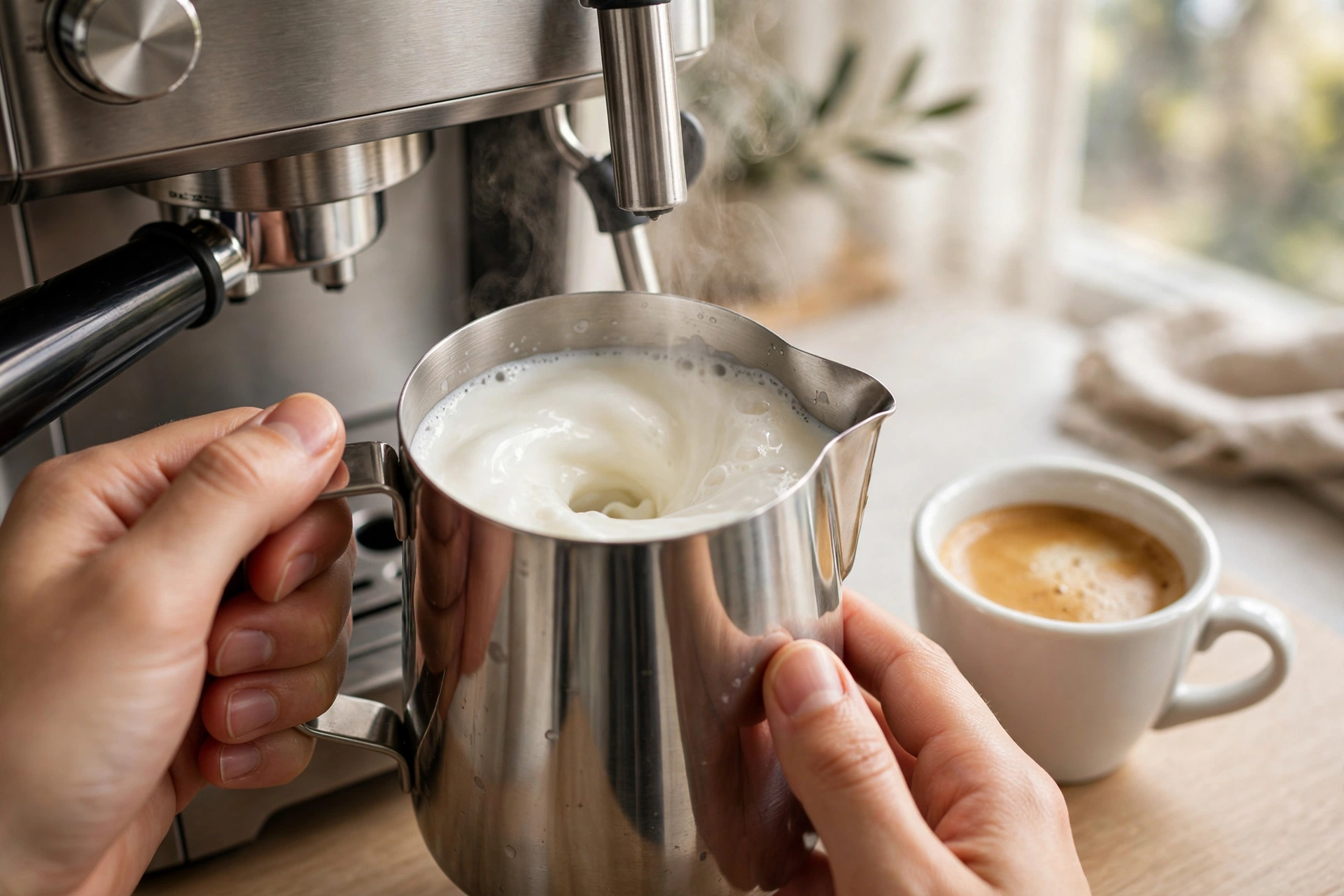 Breville Bambino vs Bambino Plus
The Bambino Plus adds an automatic steam wand, PID temperature control, a 64 oz tank, and a 3-way solenoid valve — but the espresso is the same. Worth ≈$200 more only if milk drinks are the daily default.
Updated 2026-10-11
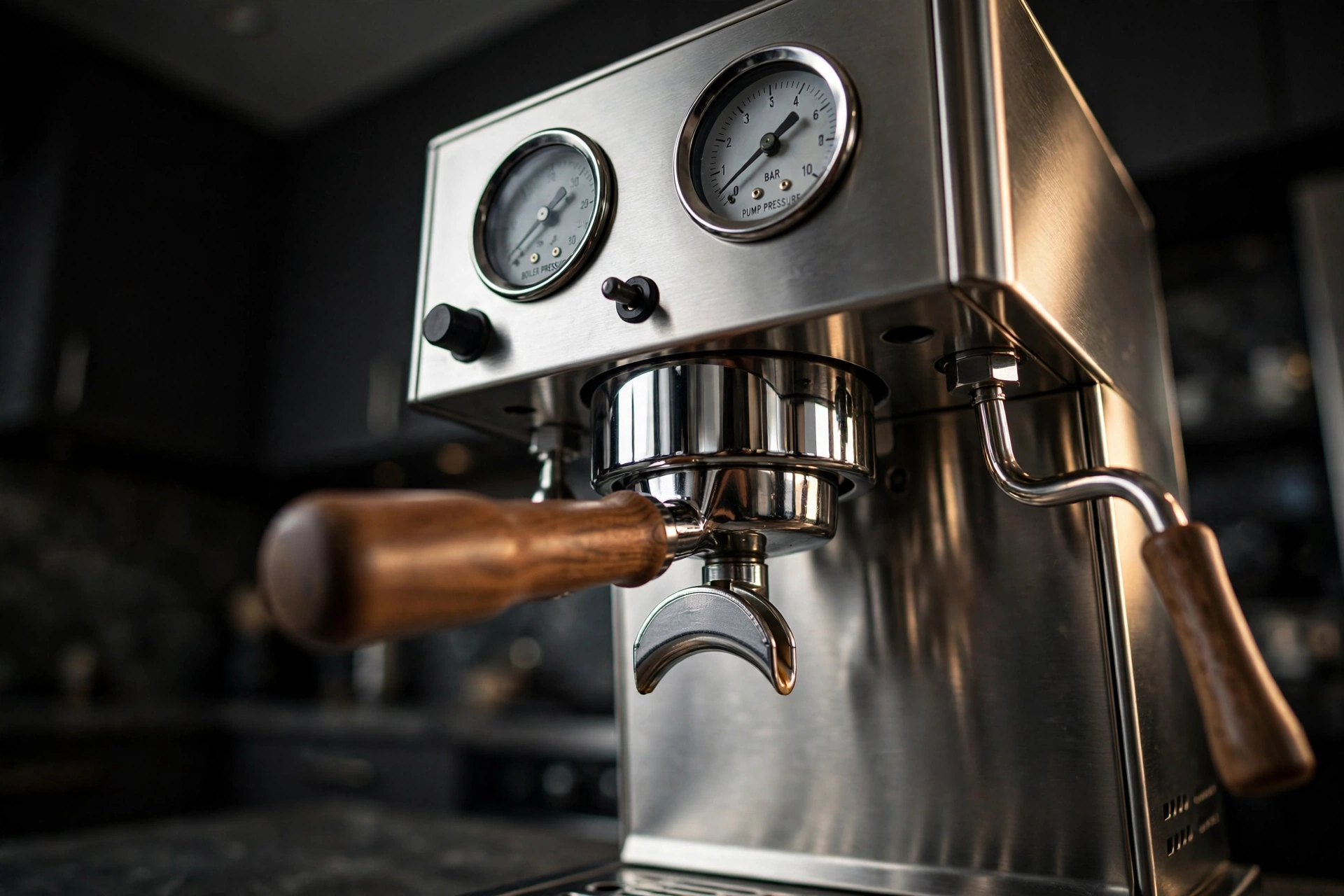 Best Dual Boiler Espresso Machine
The Breville Dual Boiler is the best dual boiler espresso machine for most people — simultaneous brew and steam with PID control for $1,599.95. Here are six that earn the money.
Updated 2026-10-10
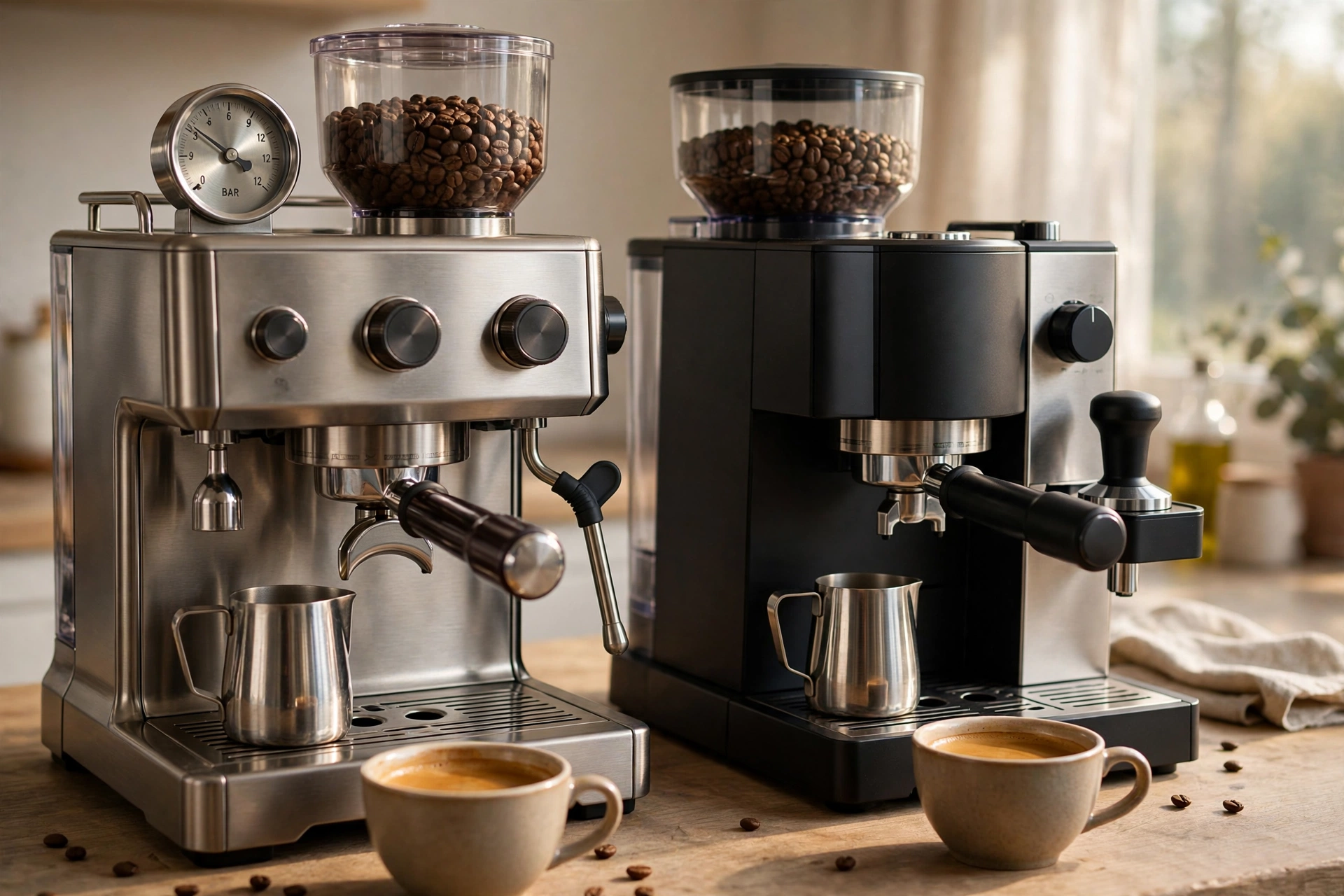 Barista Express vs La Specialista
Barista Express or La Specialista Arte? Breville wins on grinder range and feedback; De'Longhi wins on guided tamping, footprint, and everyday milk texture.
Updated 2026-10-04
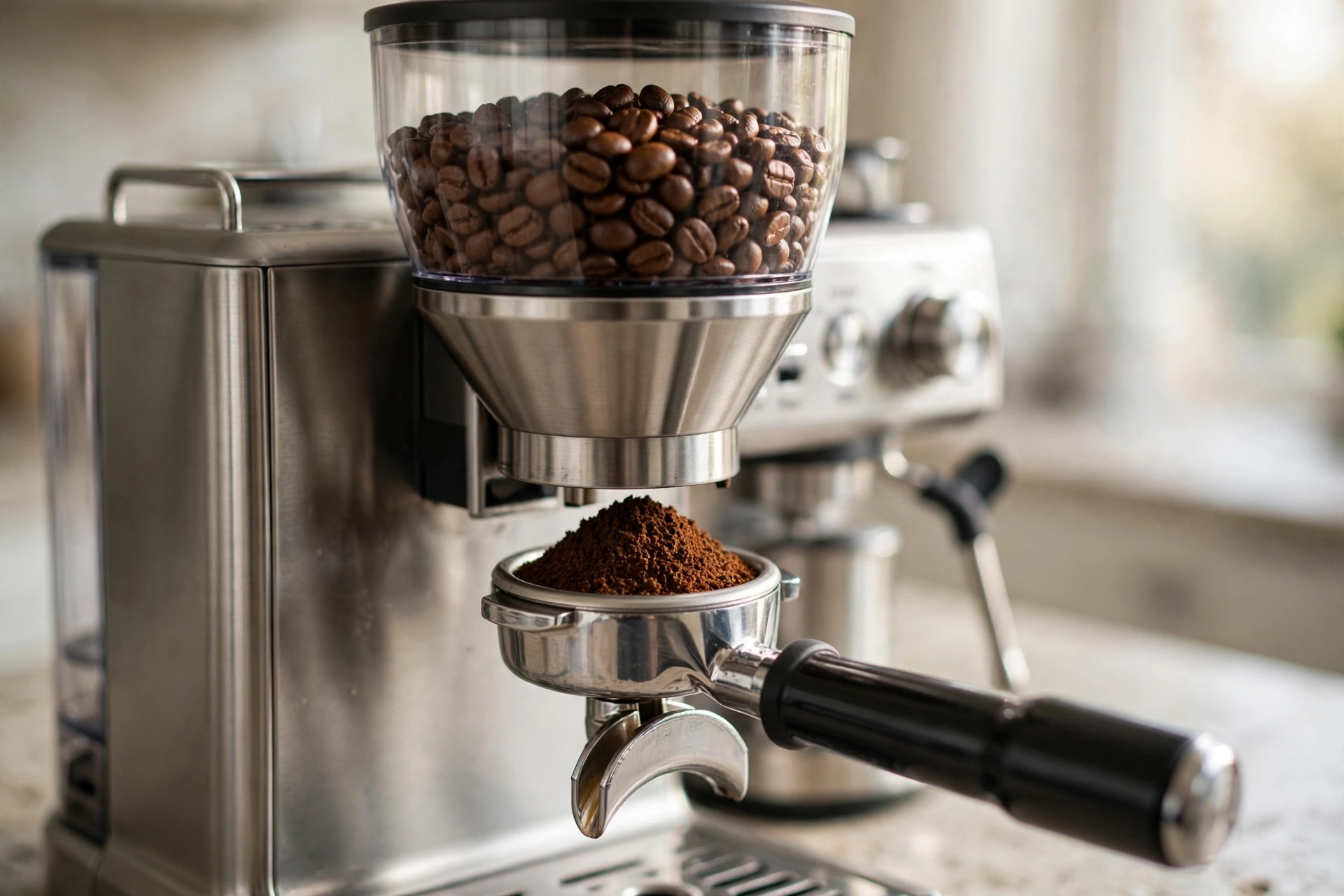 Best Espresso Machines With Grinders
The Breville Barista Express Impress is the best espresso machine with a grinder for most people; four more picks cover value, speed, and full automation.
Updated 2026-10-03
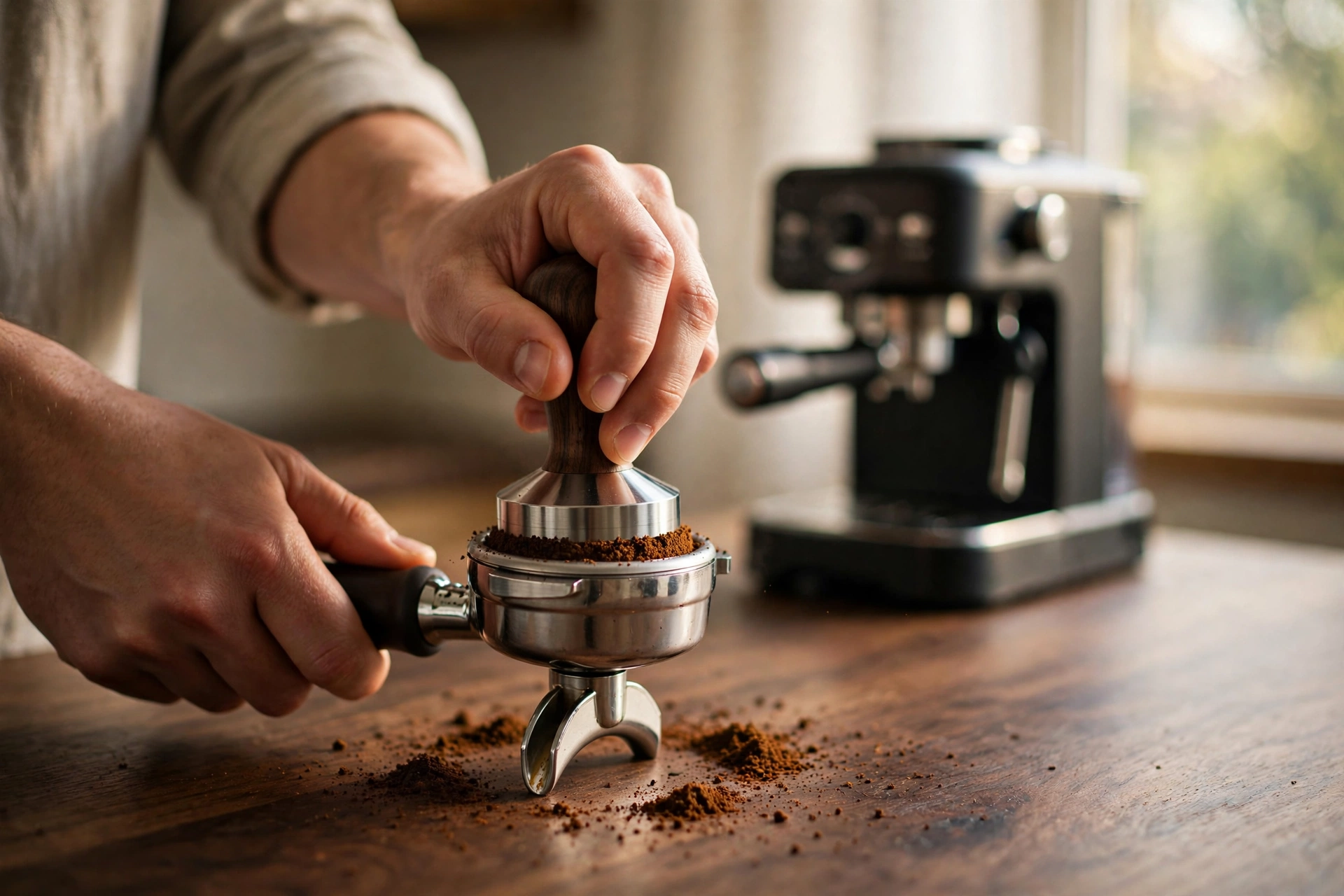 Best Espresso Machines Under $500
The best espresso machines under $500 balance temperature stability, pressure control, and steam power — these five earn their counter space today.
Updated 2026-10-03
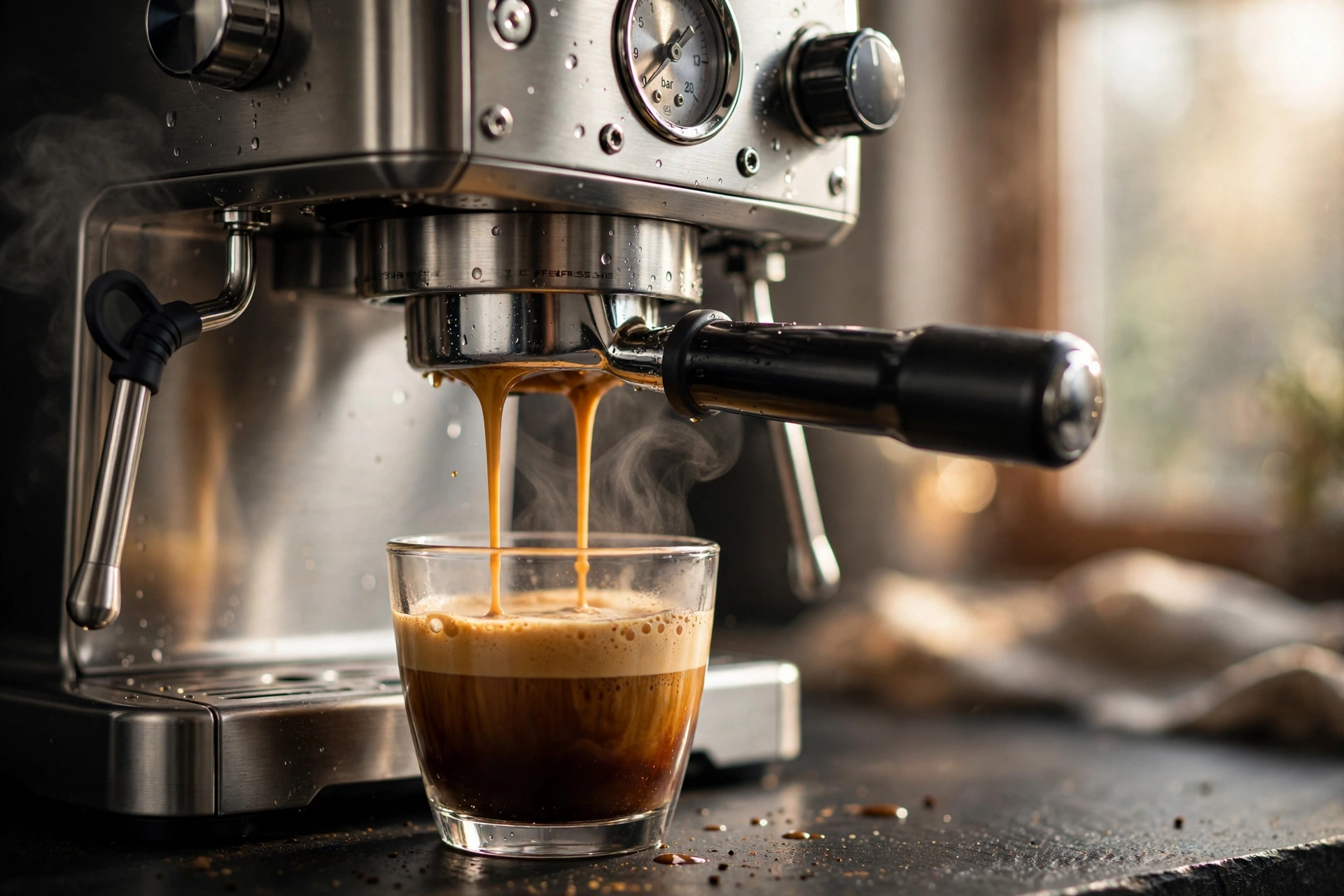 Best Espresso Machines Under $1,000
The Breville Barista Touch is the best espresso machine under $1,000 for most people, with fast heat-up and automatic milk — here are five that earn the money.
Updated 2026-10-03
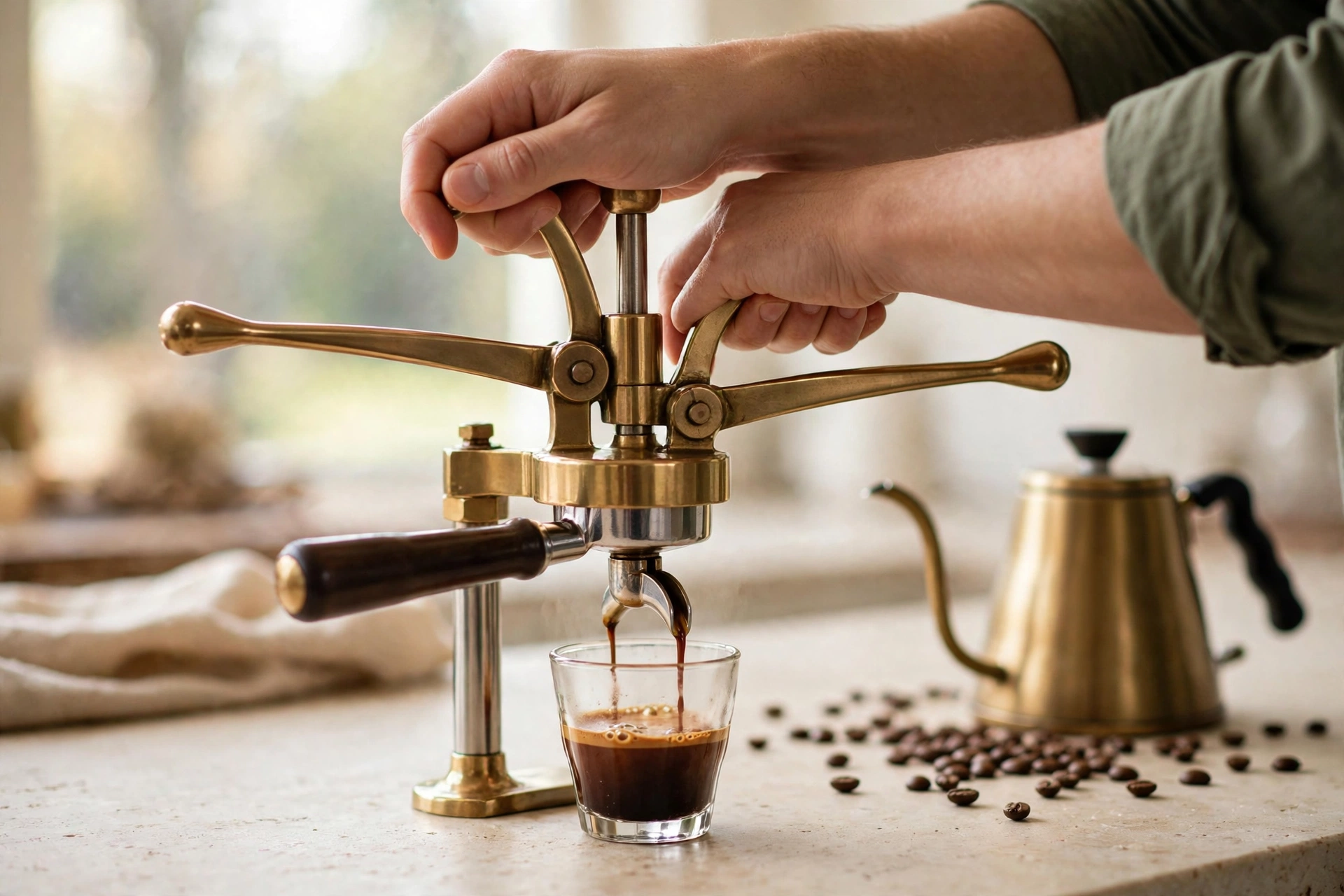 Best Manual Espresso Machines
The best manual espresso machines are the Flair PRO 2 for most people, the Cafelat Robot for build quality, and the La Pavoni Europiccola if you need steam.
Updated 2026-10-03
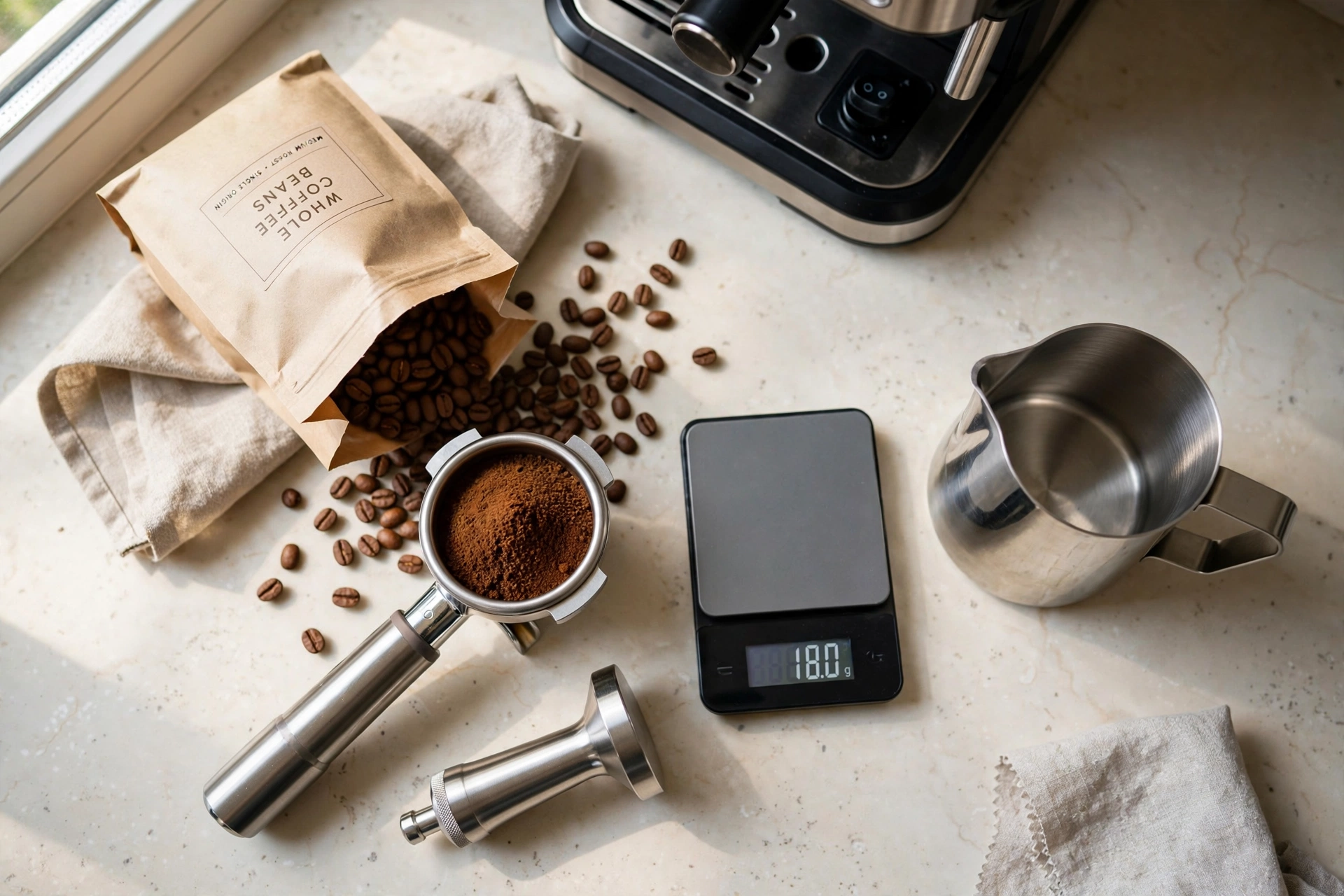 Best Espresso Machine for Beginners
The best espresso machine for beginners is the Breville Bambino Plus — automatic milk and 3-second heat-up make good shots easiest while you learn the basics.
Updated 2026-10-03
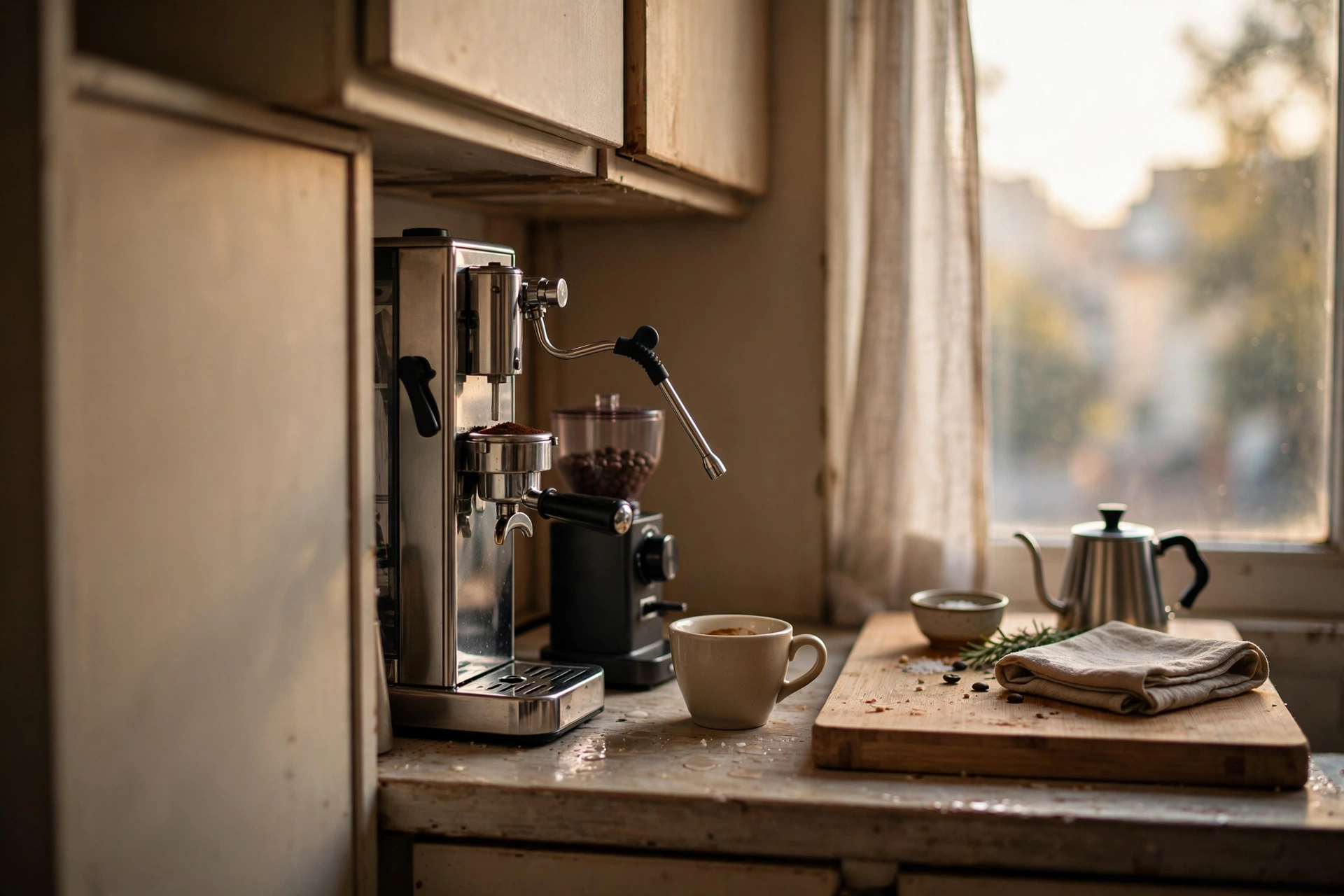 Best Compact Espresso Machines
The Breville Bambino is the best compact espresso machine for most people; the slimmer Dedica Arte and prosumer Lelit Anna cover tighter counters and craft.
Updated 2026-10-03
Espresso Machines FAQs
How much should I spend on espresso machines?
It depends on the category, but the rule holds everywhere in espresso: the total setup cost matters more than any single price tag. Our reviews always score the full cost of getting brewing — not just the headline price of one item.
Is there a good budget option?
Often, yes — for getting started. Budget gear usually trades consistency or longevity for price. We'll call out exactly where each budget pick compromises, so you know what you're trading.
How do your rankings work?
We research every product the same way: aggregated owner reports, forum consensus, and published measurements, weighed on performance, consistency, build quality, ease of use, and honest value. Brands can't pay for placement.