
Coffee Beans for home espresso
Know your beans: species, origins, and what each one does in the cup.
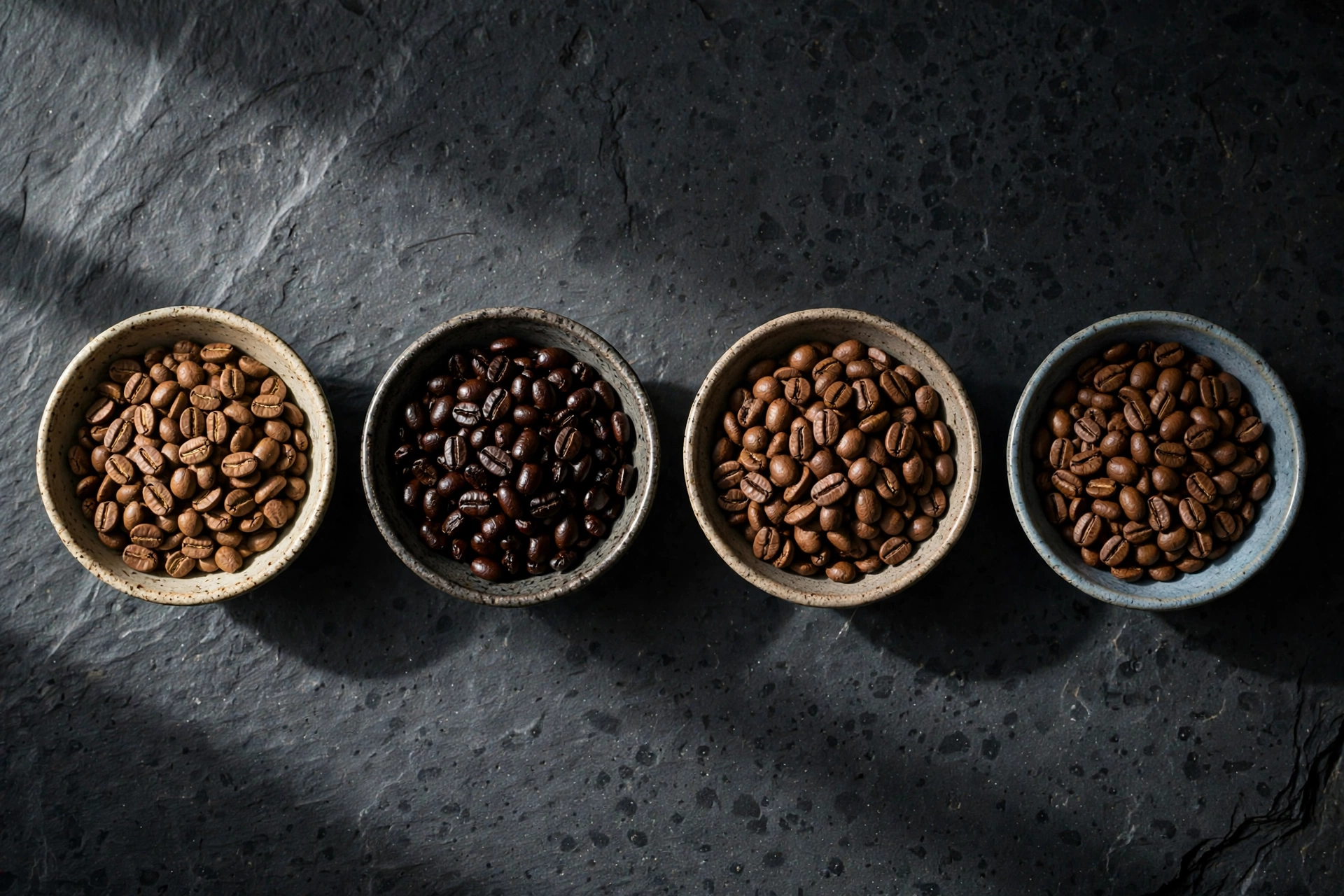
How we research coffee beans
A reference hub for coffee beans: the four commercial types — arabica, robusta, liberica, and excelsa — what they taste like, where they grow, and how each behaves in an espresso machine, plus our bean buying guides and roundups.
Coffee, classified
Every bag of beans sits at the intersection of four levels. Species is the broadest — each level down adds specificity, and each one changes what's in the cup.
- Species — the plant itself: arabica, robusta, liberica. Sets the flavour family, body, and caffeine level.Arabica · Robusta · Liberica · Excelsa
- Variety — the genetic strain: Gesha, Bourbon, SL28, Caturra. Same species, different DNA, different cup.
- Origin — where it grew: Yirgacheffe, Huila, Antigua. Altitude, soil, and climate shape the taste.
- Processing — what happened after picking: washed, natural, honey. Often the biggest single flavour lever on the bag.
Coffee species reference
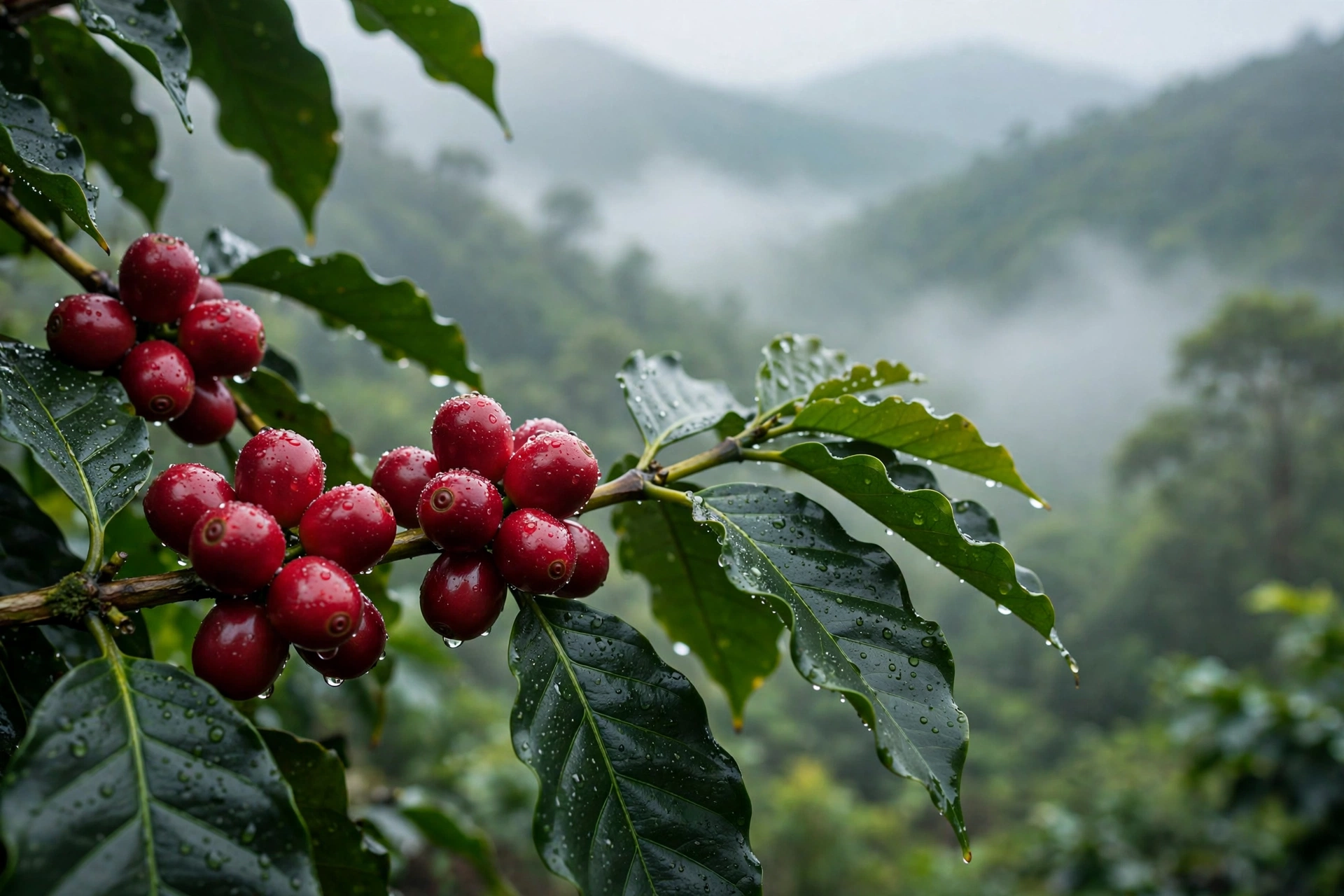 Arabica Coffee Beans
Arabica grows at high altitude and makes up about 60% of world coffee: sweet, complex, and bright. Taste profile, growing regions, caffeine, and espresso brewing notes.
Updated 2026-10-09
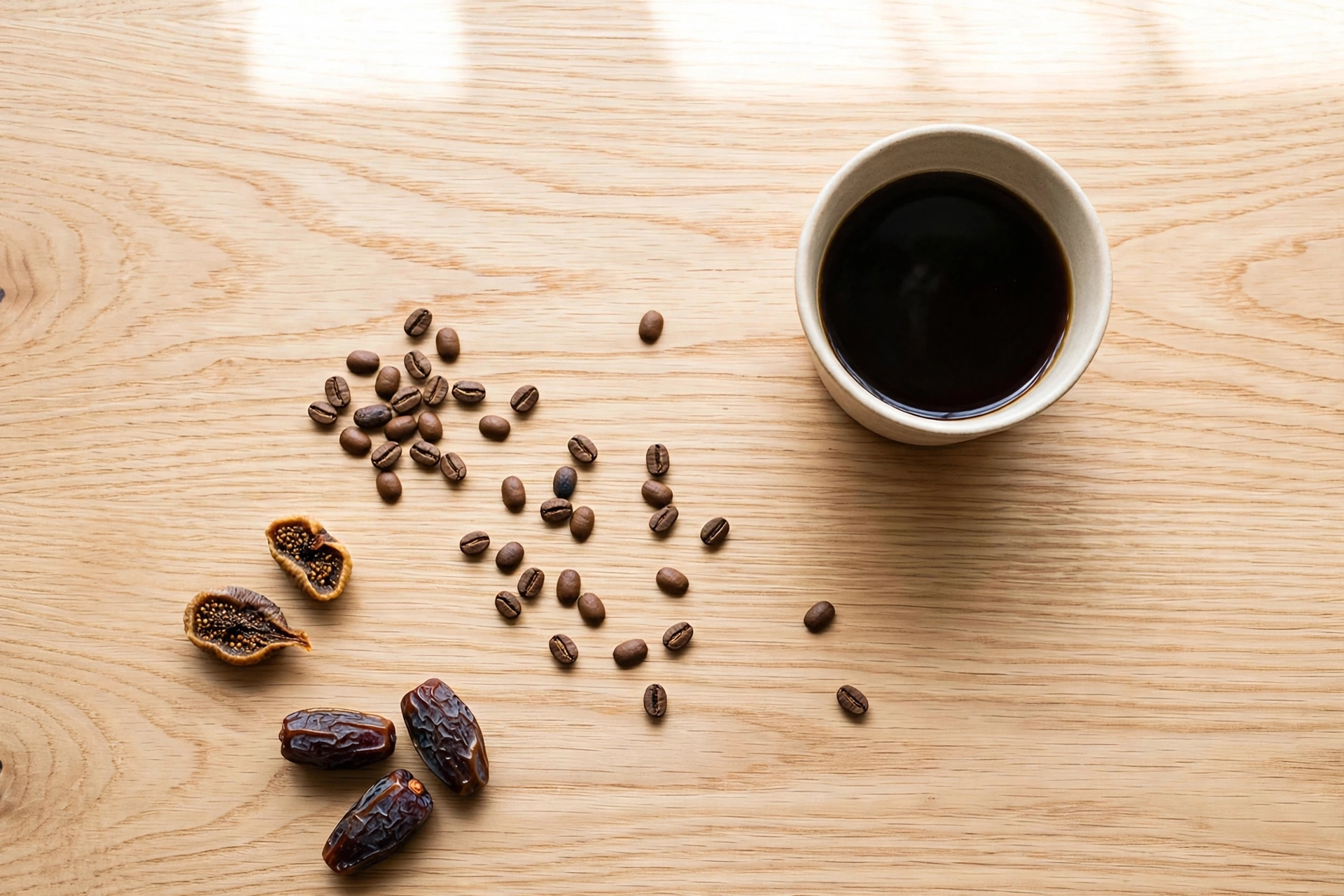 Excelsa Coffee Beans
Excelsa is a rare liberica variety prized by blenders: tart, fruity, and complex, adding depth no other bean provides. Taste profile, origins, and how it's used.
Updated 2026-10-09
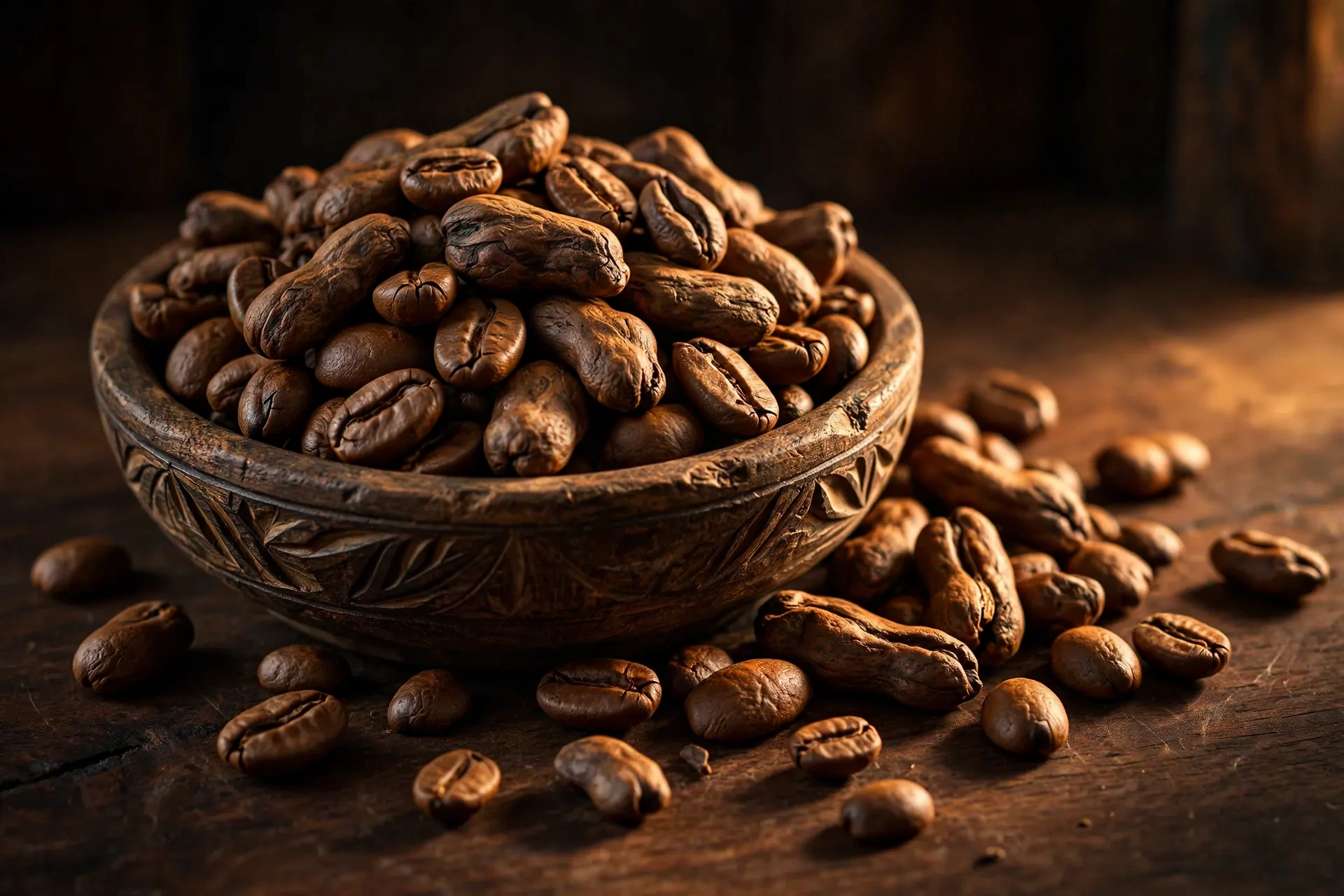 Liberica Coffee Beans
Liberica is coffee's rare third species: large beans, smoky-floral flavour, and the bean behind the Philippines' kapeng barako. Taste, origins, and espresso notes.
Updated 2026-10-09
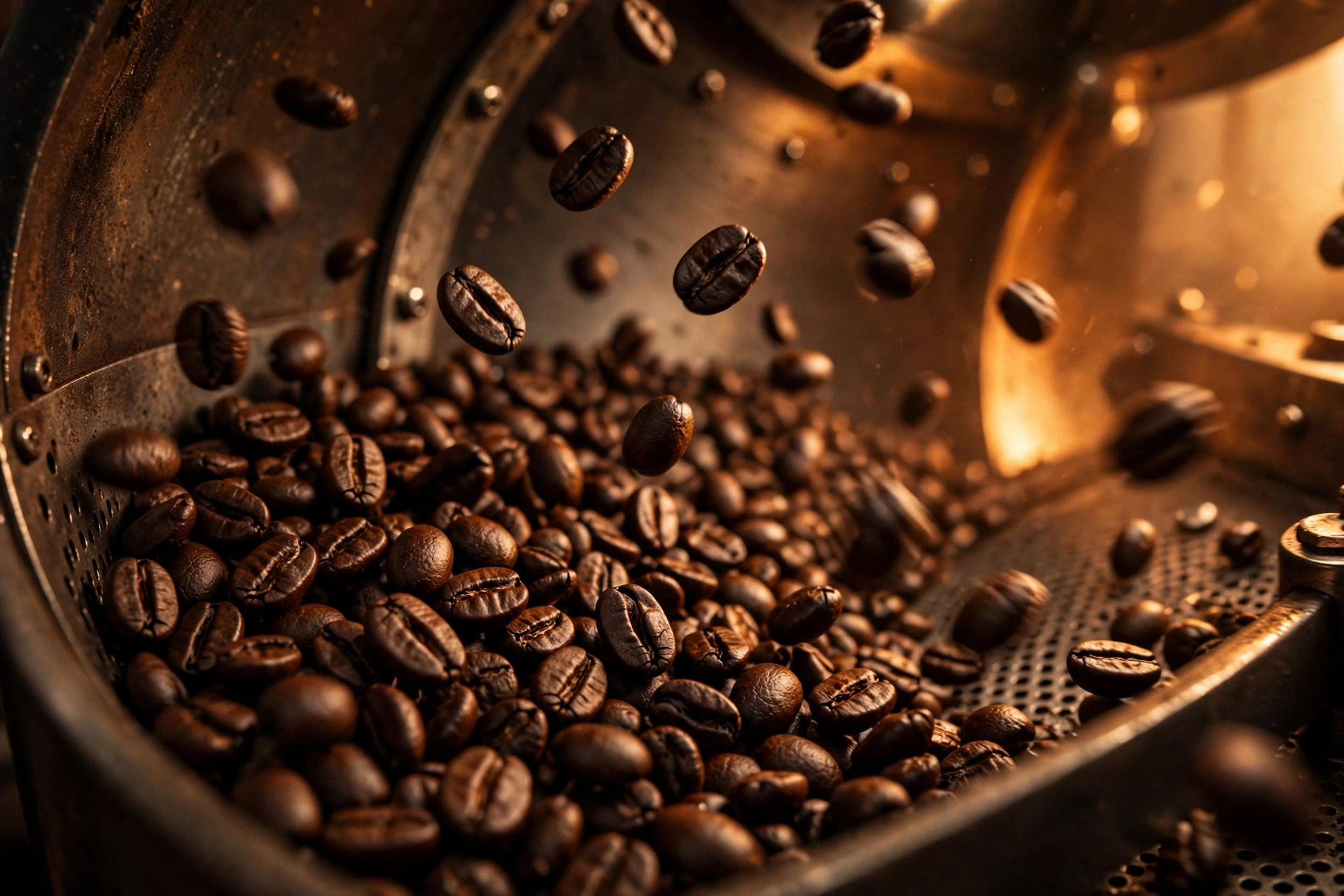 Robusta Coffee Beans
Robusta is coffee's hardy lowland species: bold, earthy, nearly double the caffeine of arabica, and the secret behind thick espresso crema. Taste, regions, and brewing.
Updated 2026-10-09
Bean buying guides
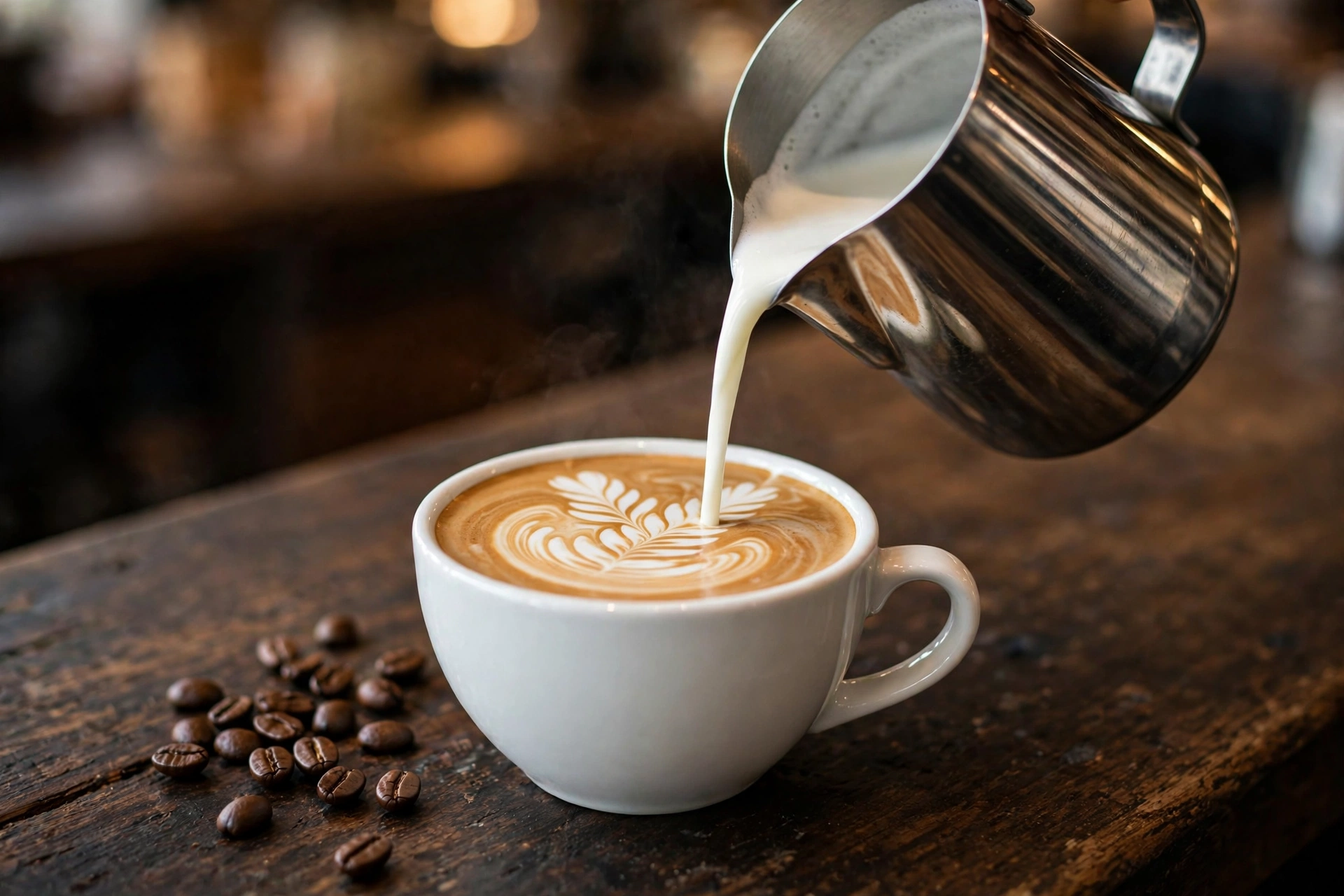 Best Espresso Beans for Lattes
Best espresso beans for lattes: Lavazza Super Crema for robusta-led crema, Intelligentsia Black Cat Analog built for milk, plus Stumptown and illy compared.
Updated 2026-10-12
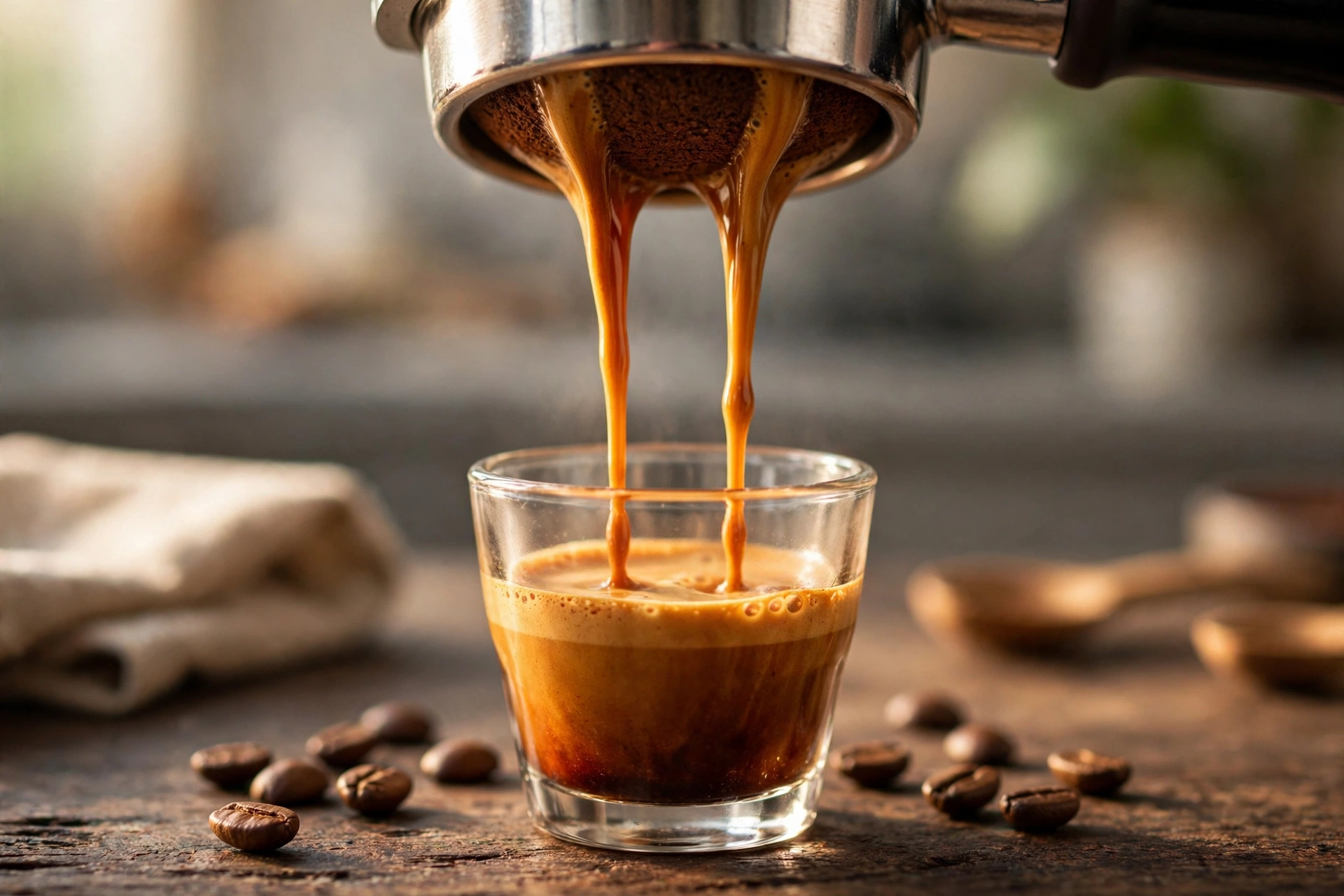 Best Decaf Espresso Beans
Best decaf espresso beans: illy Decaf for refined Italian espresso, Kicking Horse for budget Swiss Water dark roast, and Lavazza DEK for a robusta-led crema.
Updated 2026-10-11
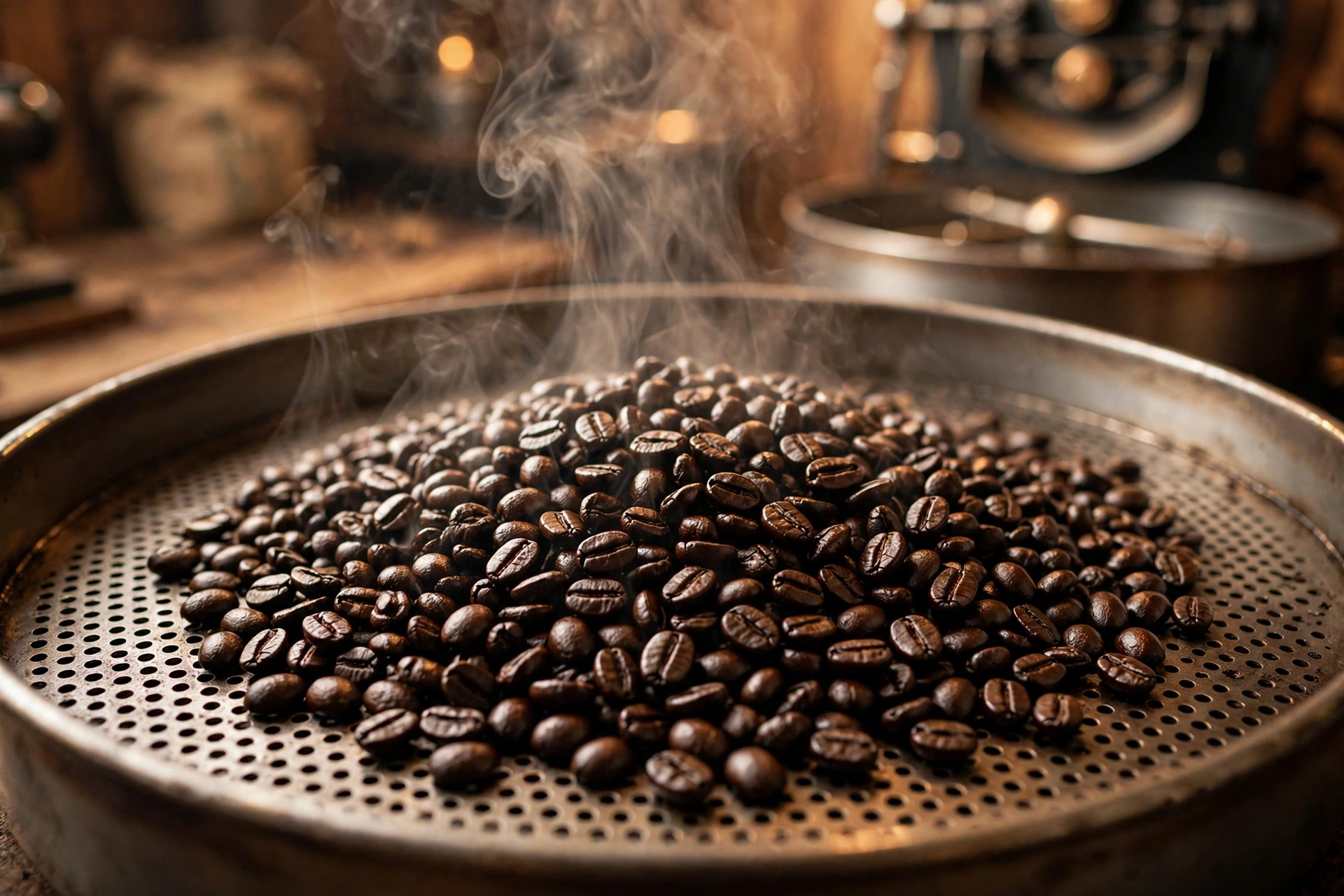 Best Dark Roast Beans for Espresso
Best dark roast espresso beans: illy Intenso for refined cocoa-led depth, Kimbo Napoli for Naples-style intensity, and Starbucks Espresso Roast for easy buying.
Updated 2026-10-10
 Best Espresso Beans for Beginners
The best espresso beans for beginners are forgiving medium blends: Lavazza Super Crema for value, Counter Culture Big Trouble for fresh, sweet, low-acid shots.
Updated 2026-10-04
Bean & brewing guides
 Why Is My Espresso Sour? Causes and Fixes
Sour espresso is almost always under-extraction — water leaving the puck after the acids and before the sugars. Grind finer first, then check ratio, temperature, and the beans, one variable at a time.
Updated 2026-11-10
 Why Is My Espresso Bitter? Causes and Fixes
Bitter espresso is usually over-extraction — water pulling the late, harsh compounds out of the puck — but the roast and a dirty machine can taste identical. Check beans, then machine, then grind, one variable at a time.
Updated 2026-11-09
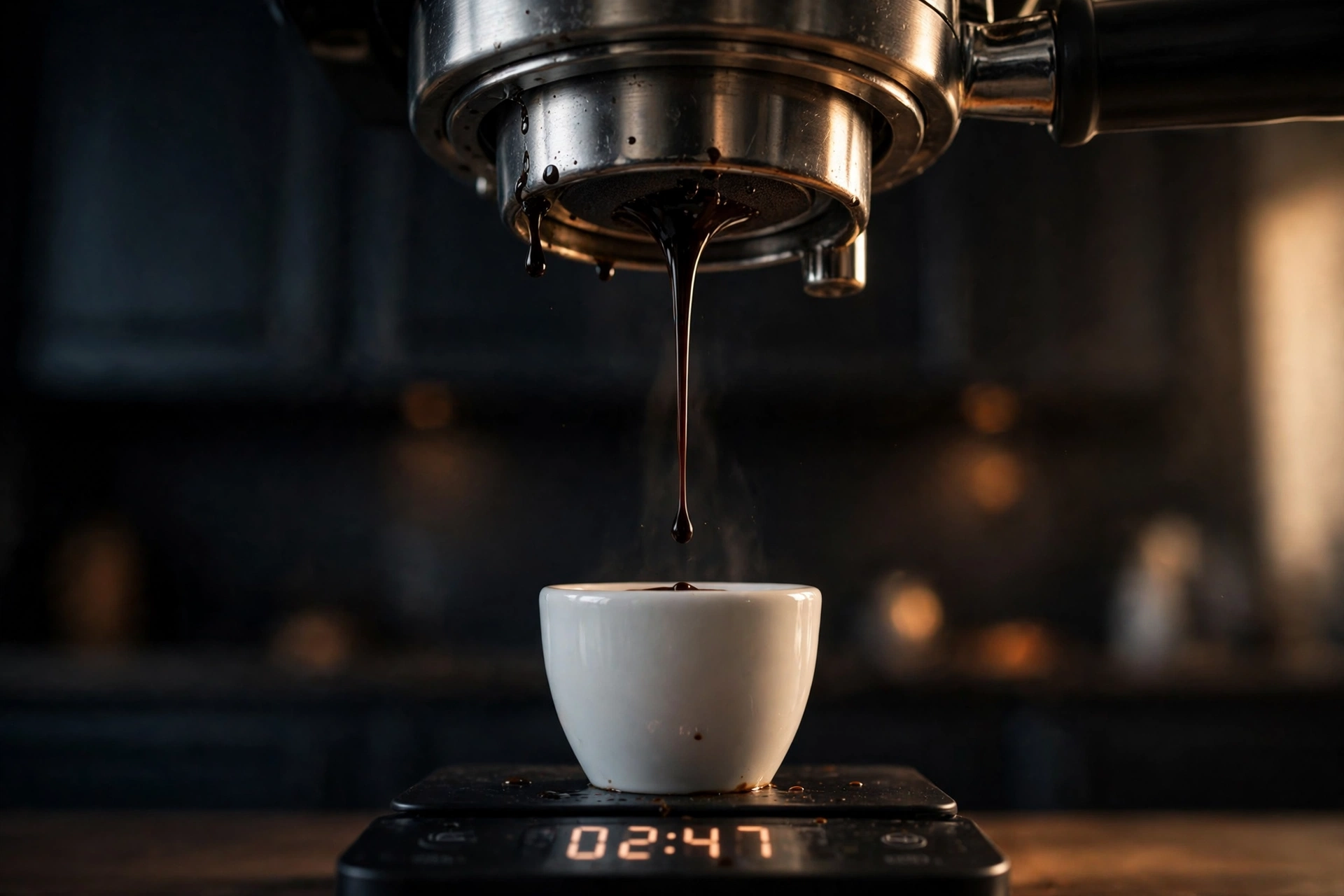 Espresso Extraction Too Slow: How to Speed It Up
A shot that drags past 40 seconds is over-extracted: water met too much resistance in the puck. Fix it in order — grind coarser, check dose, fix distribution, then check machine cleanliness — one variable at a time.
Updated 2026-11-07
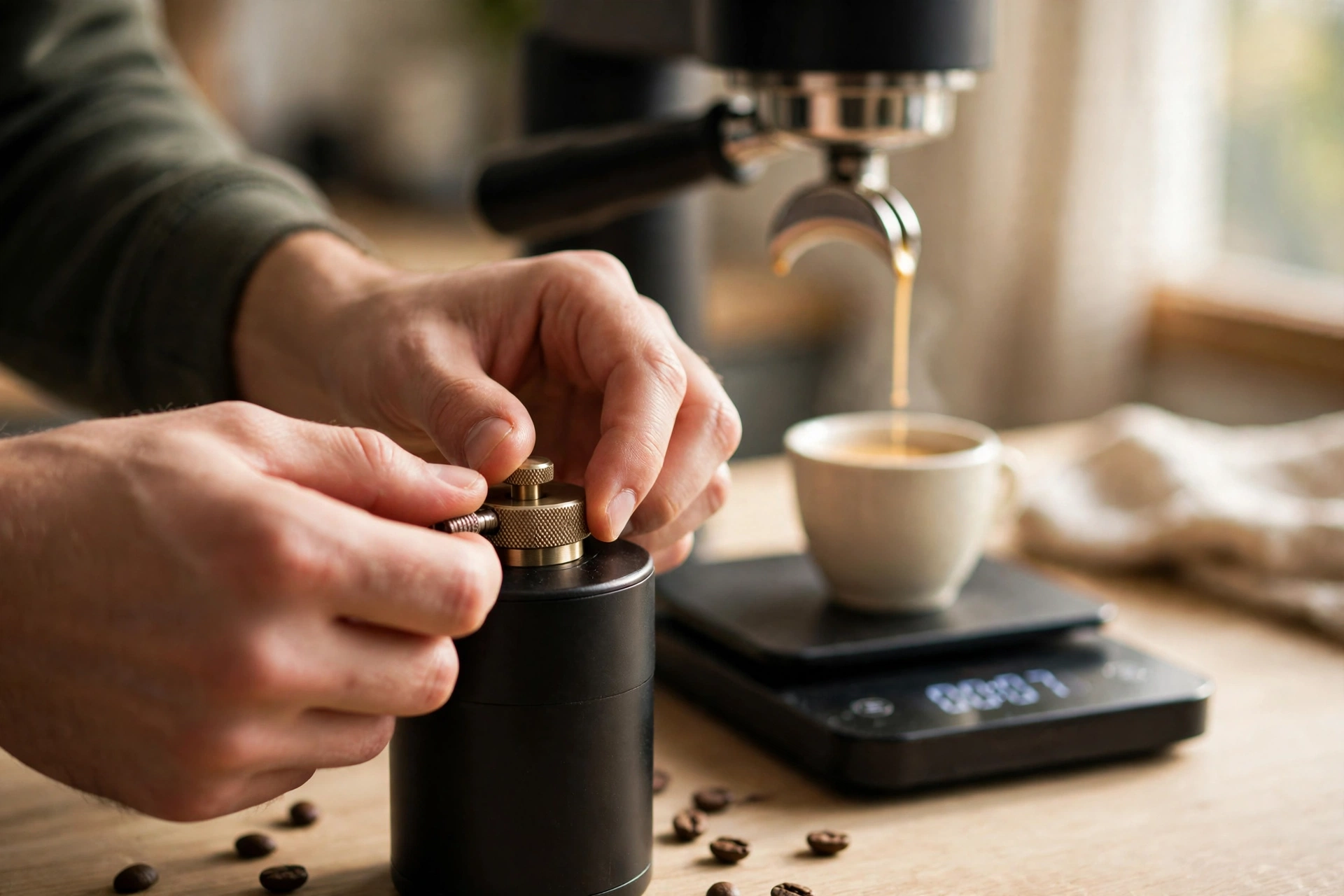 Espresso Extraction Too Fast: How to Slow It Down
A shot that finishes in under 20 seconds is under-extracted: water met too little resistance in the puck. Fix it in order — grind finer, check dose, fix distribution, then check bean freshness — one variable at a time.
Updated 2026-11-06
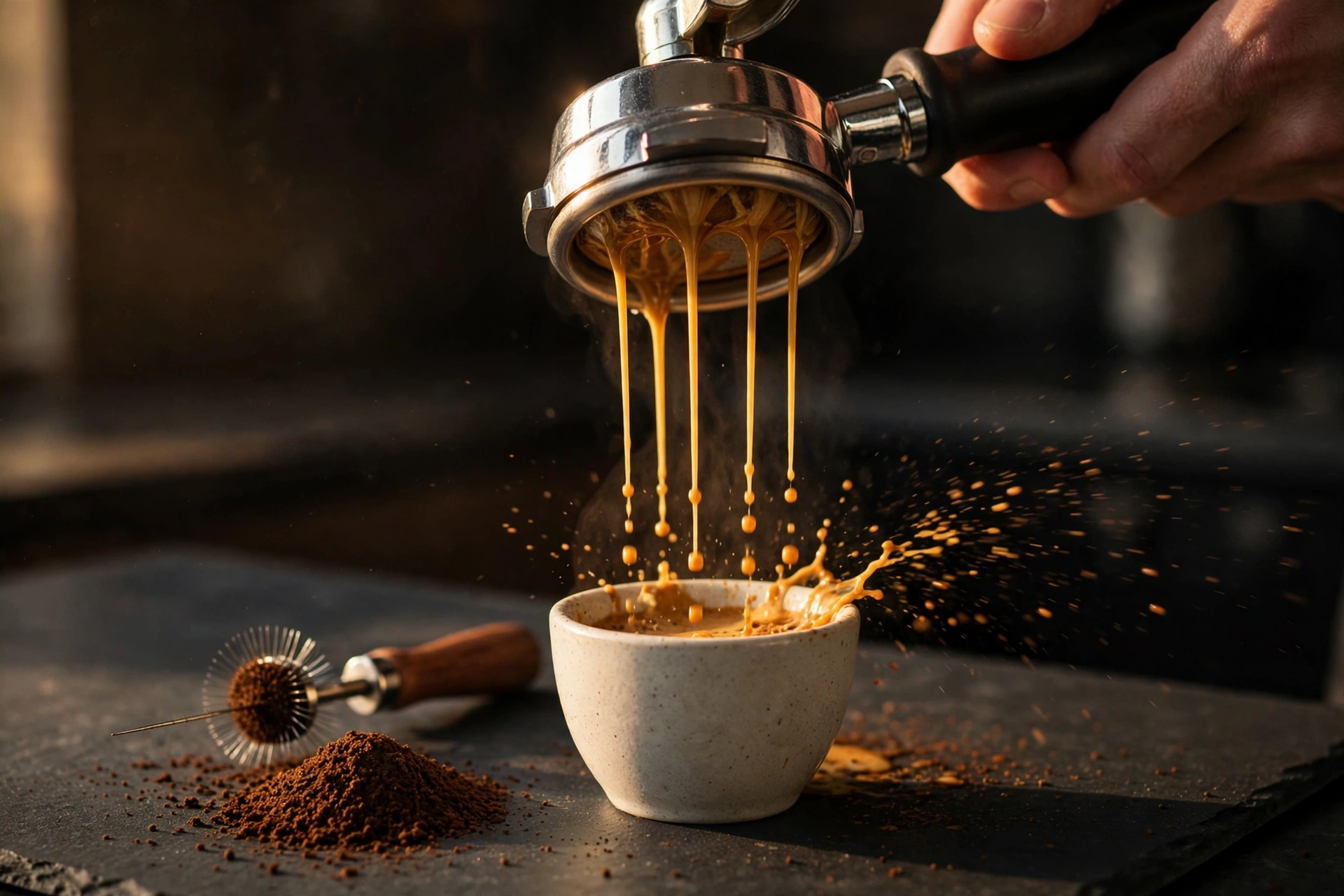 Espresso Channeling: How to Fix It
Channeling is water finding one weak path through the puck instead of flowing through all of it — fix it in order: break clumps with WDT, level the bed, tamp straight, then check dose, grind, and basket fit. One variable at a time.
Updated 2026-11-05
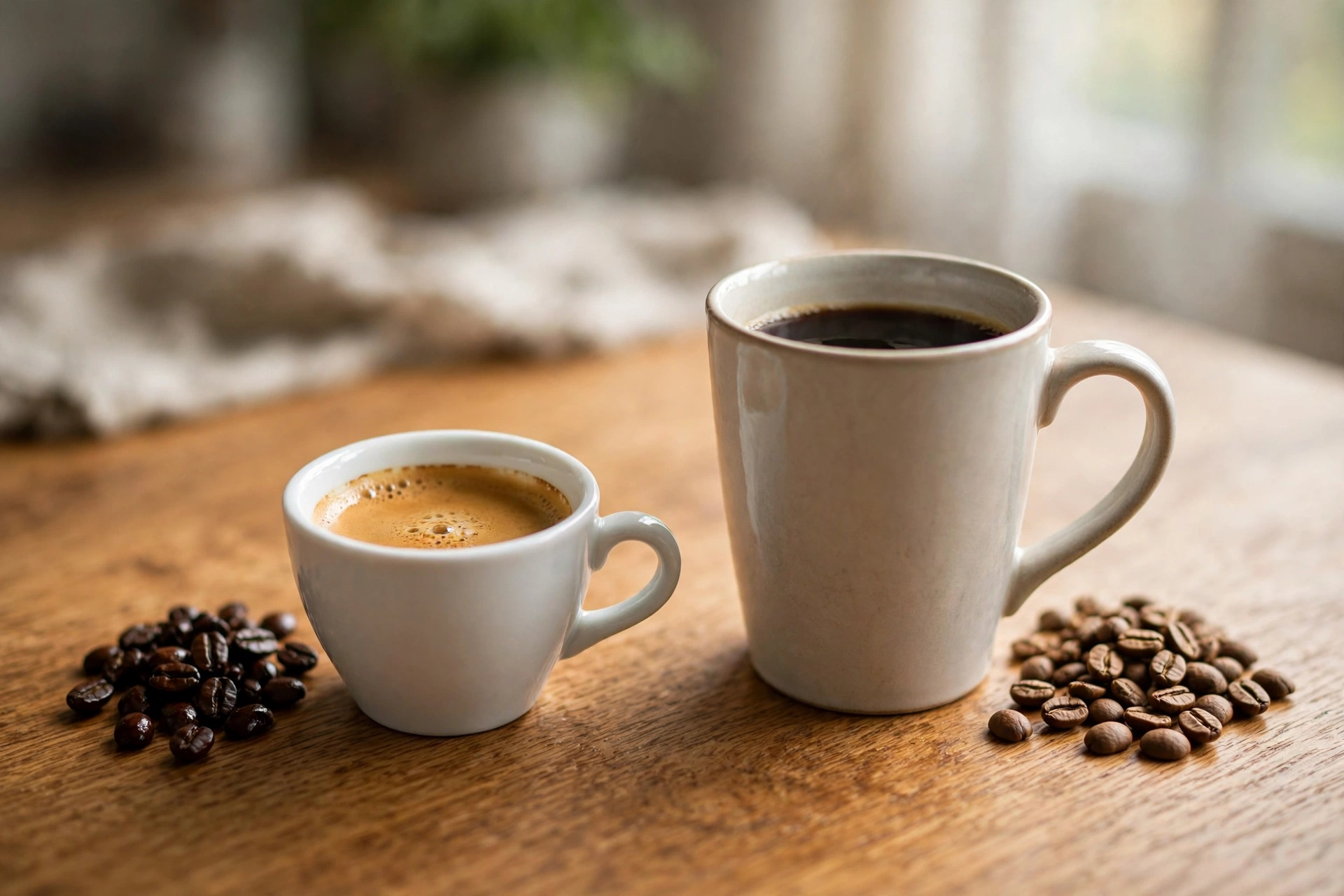 Espresso Beans vs Coffee Beans
'Espresso beans' are ordinary coffee beans, roasted and blended to survive 9-bar extraction. The label describes roast and intent — not a different plant.
Updated 2026-10-17
 Single Origin vs Blend Espresso
Blends offer balance and easy dialling; single origins offer one farm's character but demand precision. The deciding factor is how you actually drink espresso.
Updated 2026-10-16
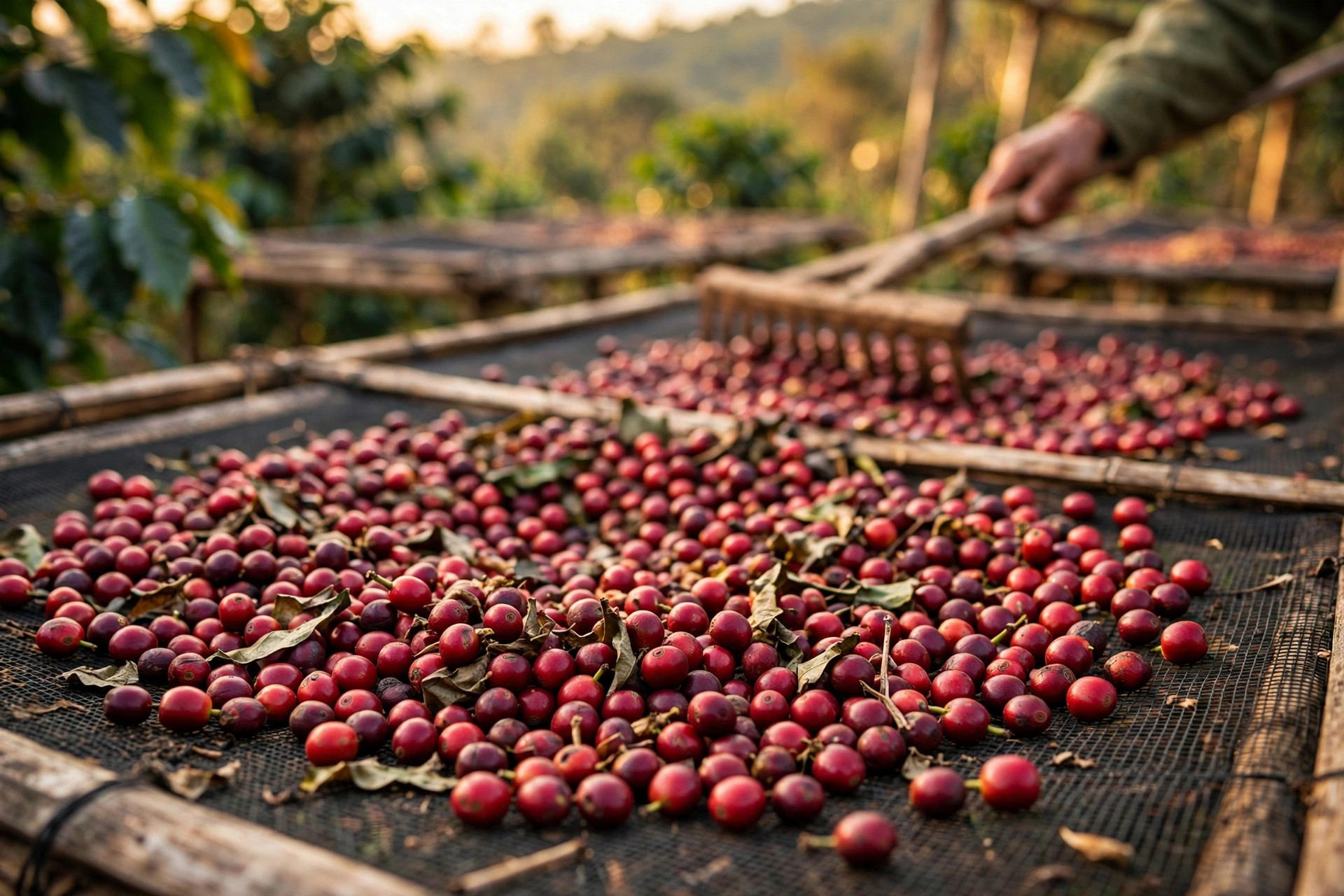 Washed vs Natural Coffee Process
Natural process dries the whole cherry for a sweeter, fruitier, heavier cup. Washed coffee is pulped before drying, so it tastes cleaner, brighter, lighter.
Updated 2026-10-15
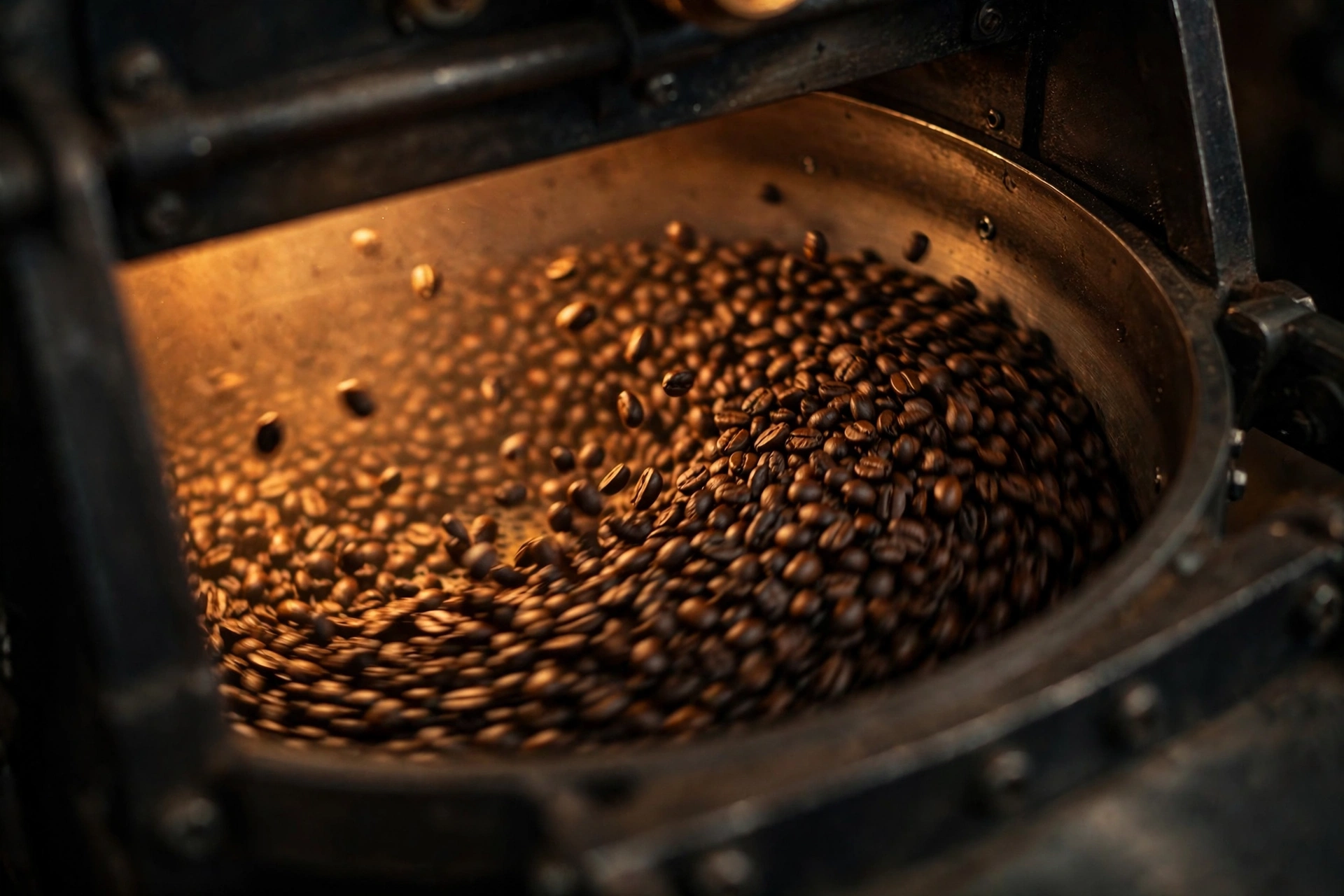 Light vs Dark Roast for Espresso
Dark roast is the easy espresso default — more soluble, lower acidity, heavier body. Light roast is brighter but needs finer grind, hotter water, longer shots.
Updated 2026-10-14
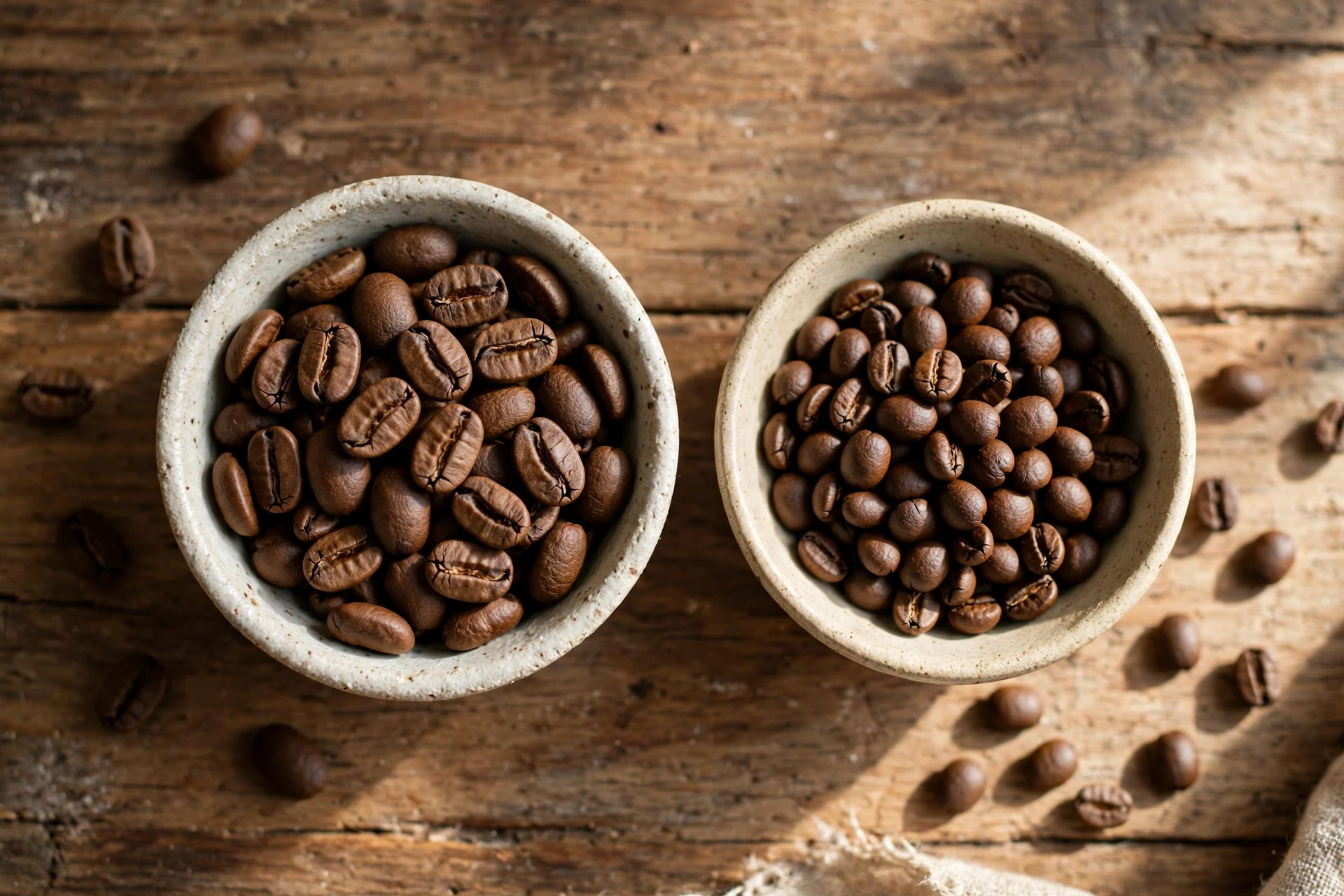 Arabica vs Robusta for Espresso
Arabica brings sweetness and acidity to espresso; robusta brings caffeine, crema, and body. Classic blends use both — your drinking habit decides the mix.
Updated 2026-10-13
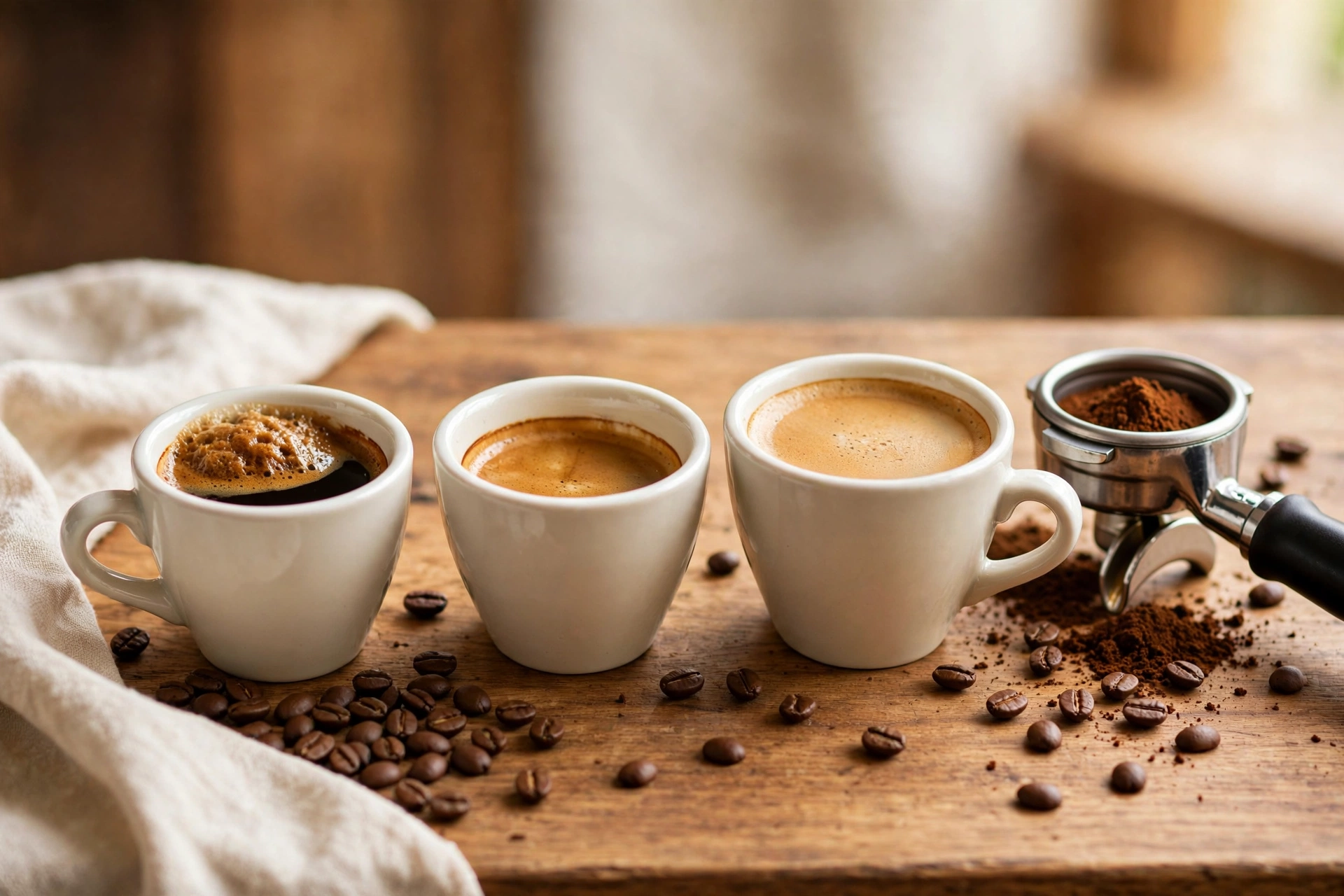 Espresso vs Lungo vs Ristretto
Ristretto, espresso, and lungo use the same dose at different yields—about 1:1–1:1.5, 1:2, and 1:3—changing concentration, sweetness, body, and bitterness.
Updated 2026-10-04
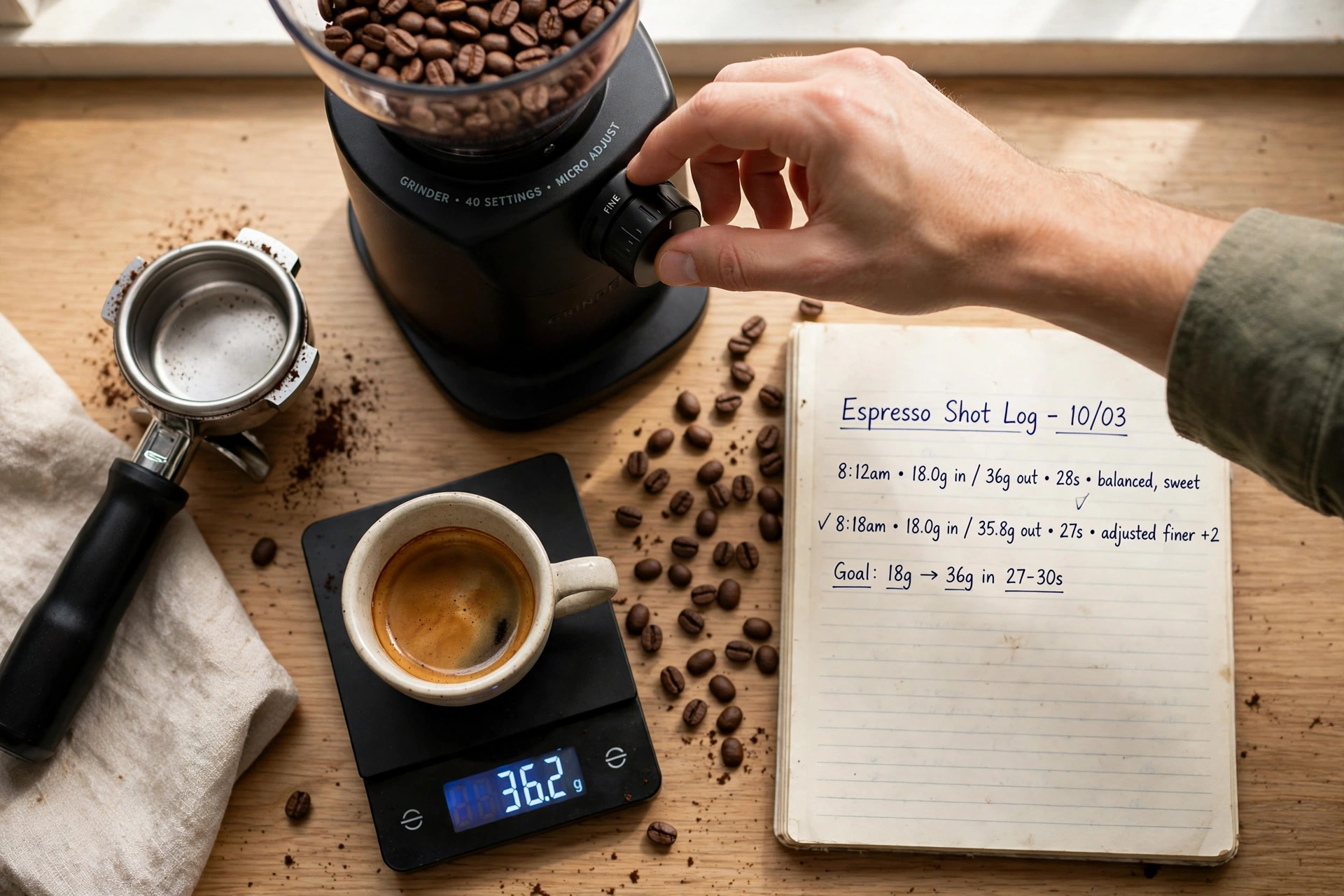 How to Dial In Espresso
Dialing in means fixing dose and yield, then moving grind until 18g in gives about 36g out in 25 to 30 seconds — then adjust by taste, one variable at a time.
Updated 2026-10-03
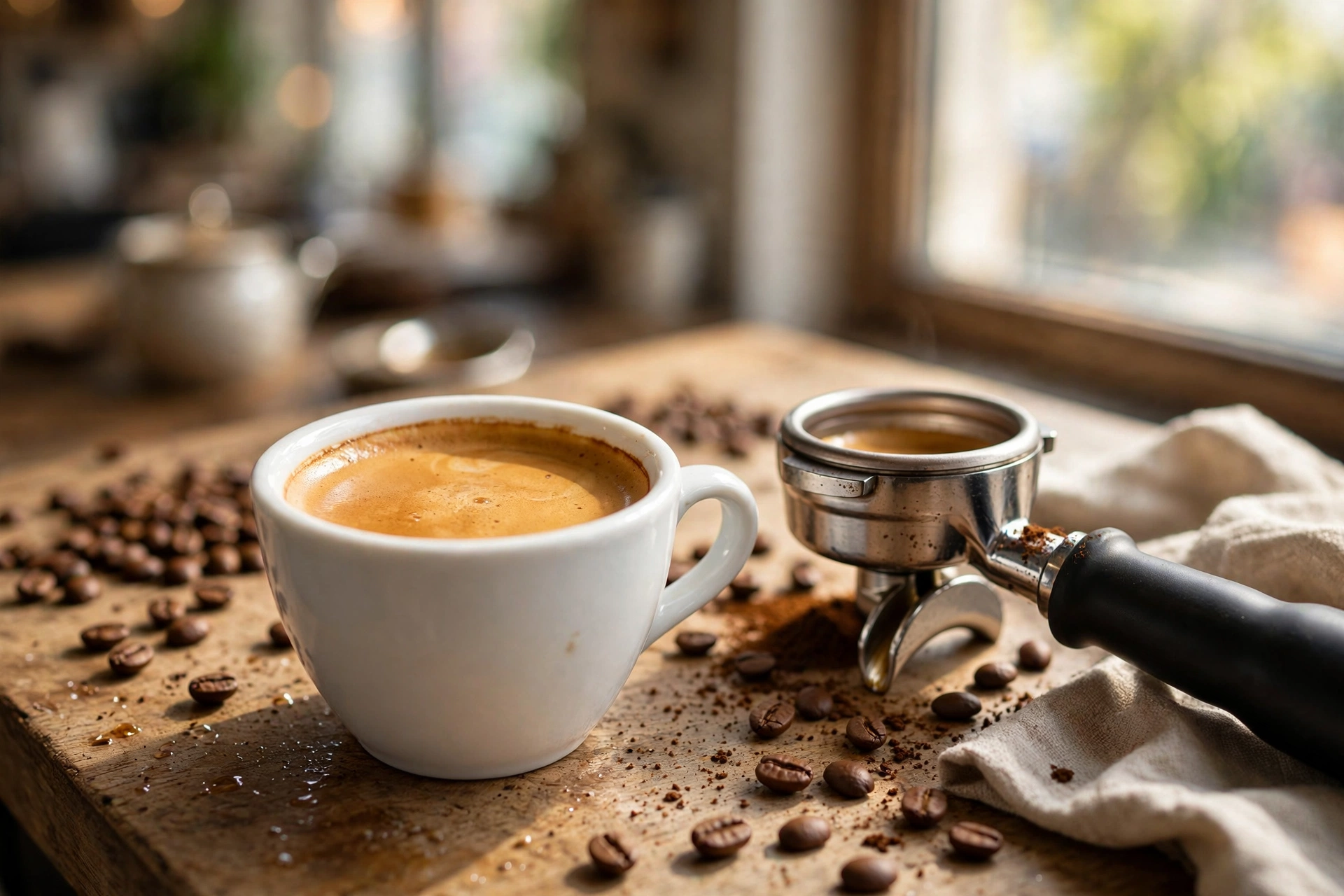 Caffeine in a Shot of Espresso
A single shot of espresso has about 63 mg of caffeine; a double has about 126 mg. Dose, bean species, and ratio explain why your shot may differ.
Updated 2026-10-03
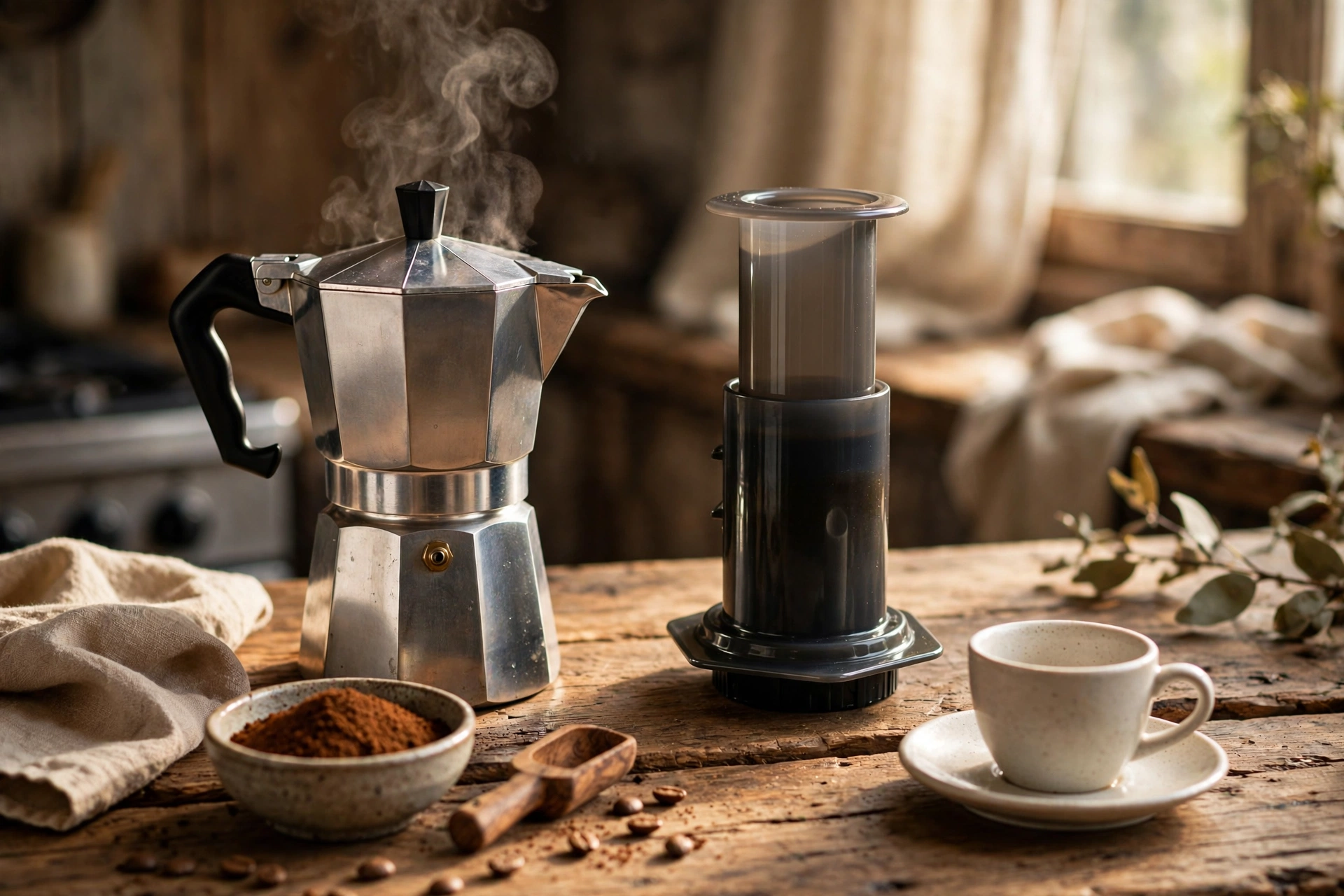 Making Espresso Without a Machine
No stovetop method makes true espresso — that takes ≈9 bars — but a Moka pot or AeroPress gets remarkably close. Here's the physics and how methods compare.
Updated 2026-10-02
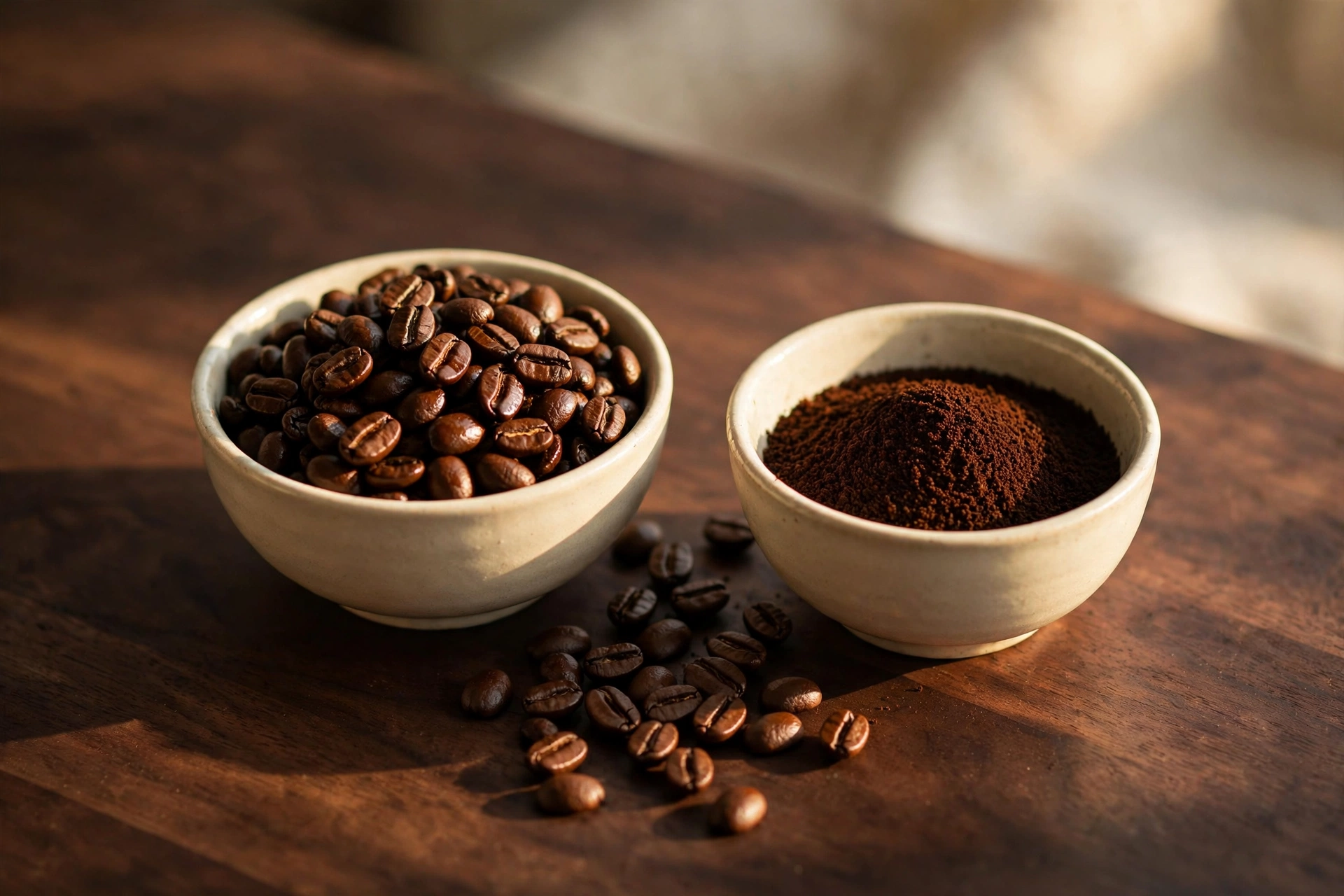 Whole Bean vs Pre-Ground Espresso
Grinding multiplies surface area, so ground coffee stales in minutes while whole beans last weeks. For espresso, grind timing matters more than bean origin.
Updated 2026-09-30
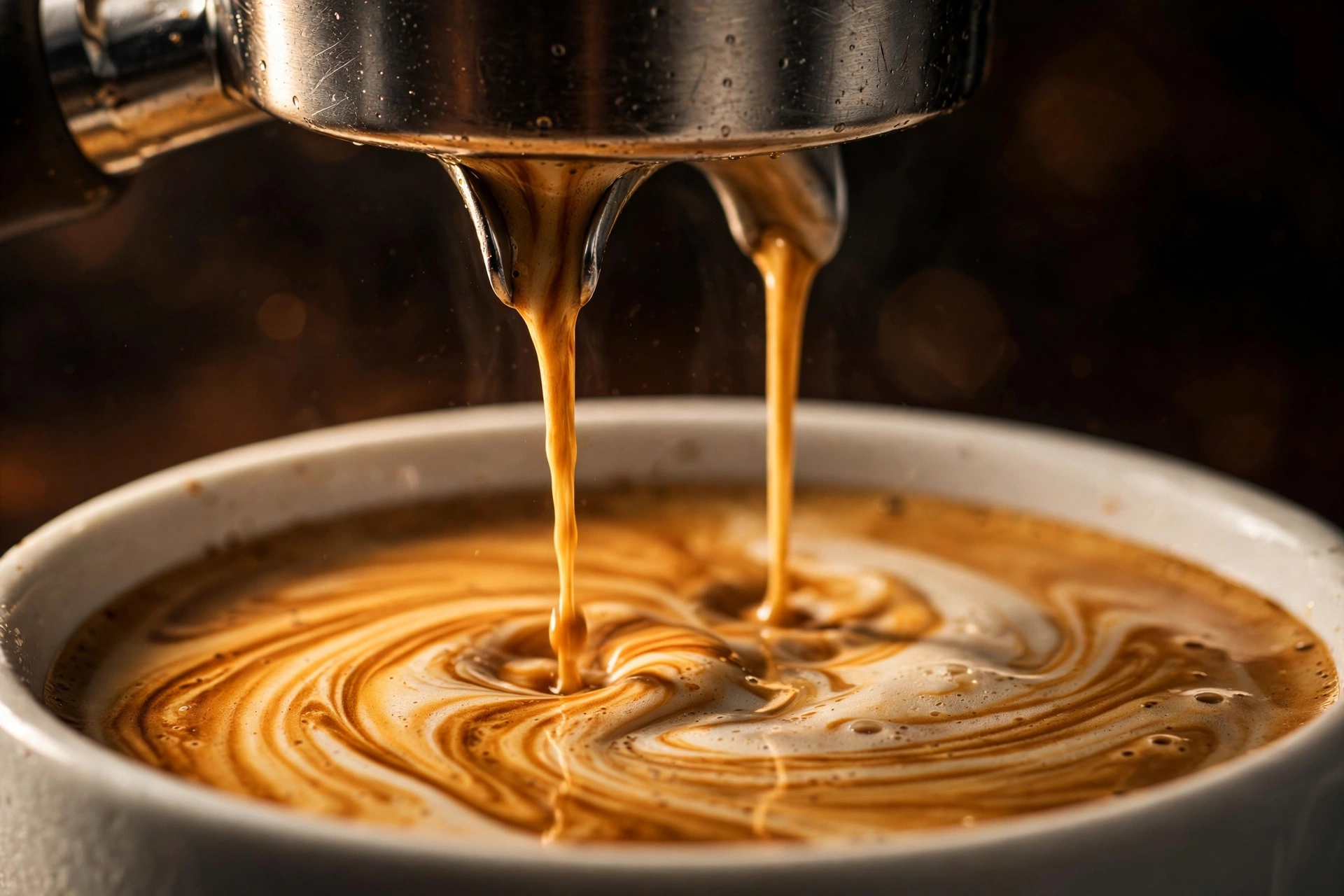 Espresso Extraction Explained
Extraction dissolves flavor compounds from the puck in sequence — acids, then sugars, then bitters. Good shots capture the first two and skip the third.
Updated 2026-09-30
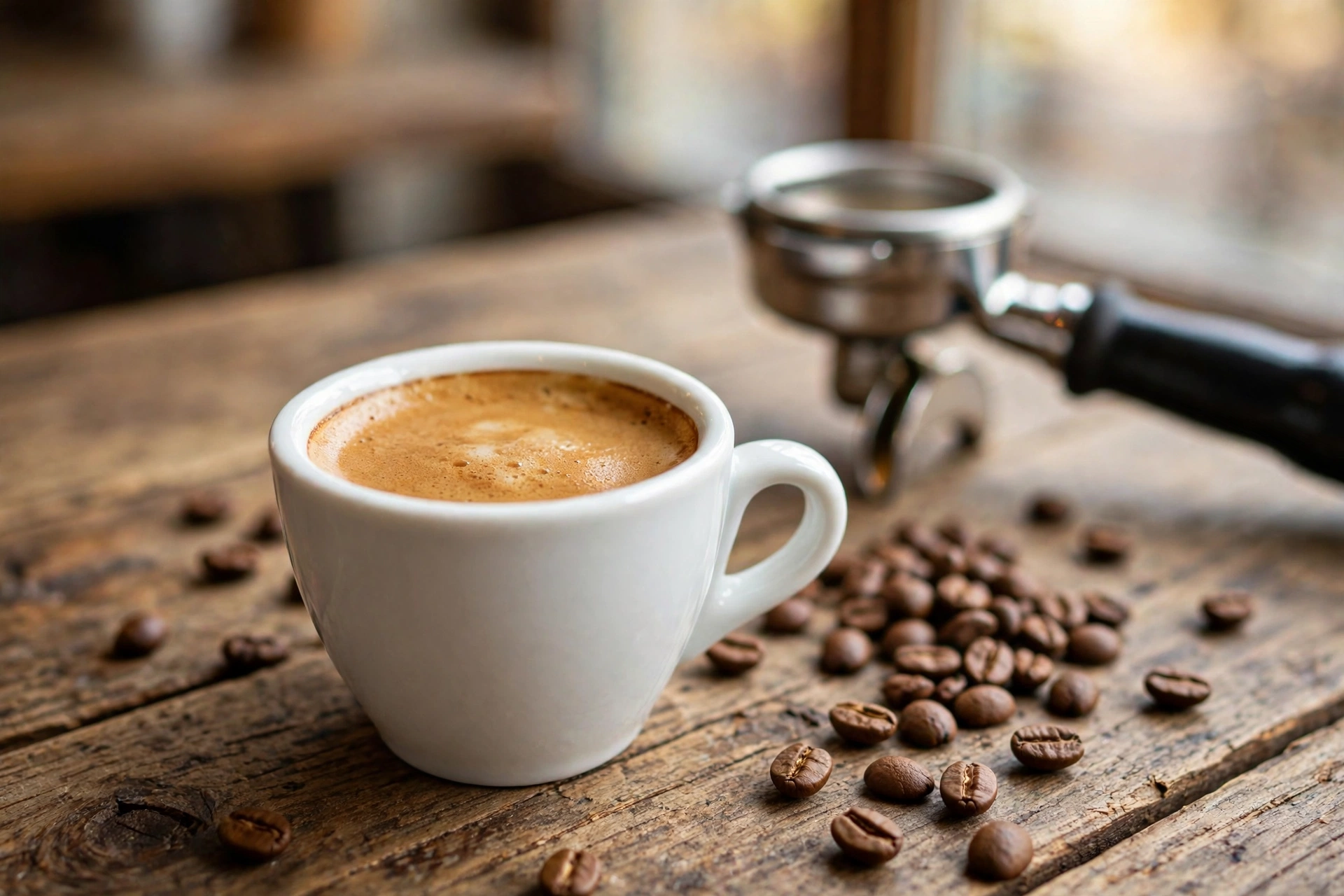 What Is Espresso, Really?
Espresso isn't a bean or a roast — it's a brewing method: ≈9 bars of pressure forcing hot water through fine coffee grounds, extracting a shot in 25–30 seconds.
Updated 2026-09-28
Comparisons in research. Our first round of coffee beans comparisons is being researched now: owner reports, forum threads, and published measurements, cross-checked before anything gets recommended. We'd rather be late than wrong.
Coffee Beans FAQs
Which coffee species is best for espresso?
Arabica dominates specialty espresso for its sweetness and complexity, but robusta earns its place in blends: it produces thicker crema and adds body and caffeine. The best choice depends on the drink — straight shots favour arabica's clarity, while milk drinks benefit from a robusta component's punch.
Do beans matter more than the machine?
They matter enormously, and stale beans are the most common reason home espresso tastes flat. No machine can fix beans roasted months ago. Fresh beans from a roast date within the last few weeks, ground just before brewing, improve the cup more than most equipment upgrades.
How should I store coffee beans?
In an airtight container at room temperature, away from light and heat — and buy whole beans, grinding just before you brew. The freezer works for long-term storage in sealed portions, but the fridge is a bad idea: moisture and food odours ruin beans fast.